
Complete Bin Store Reselling And Flipping Guide
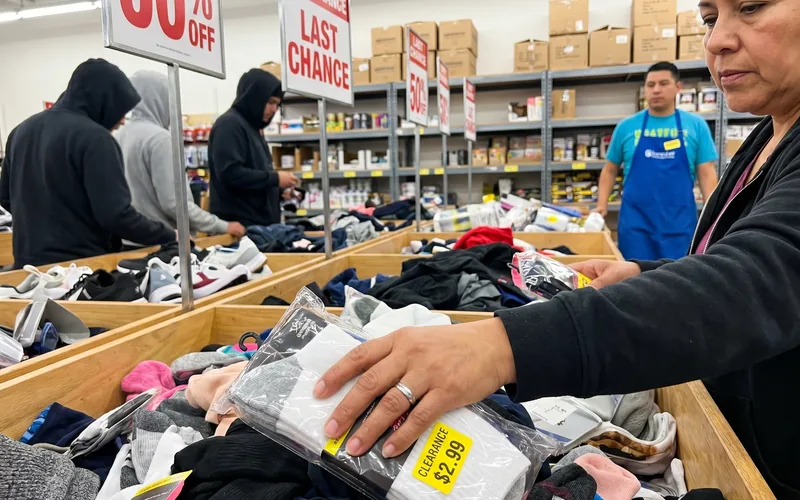
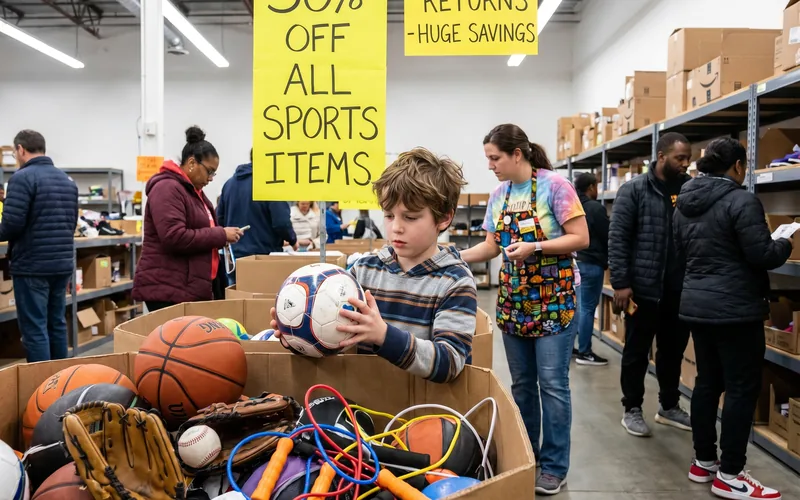
Bin stores sell overstock, customer returns, and liquidated merchandise at steep discounts — typically $1–$10 per item regardless of original retail value. Your job as a reseller is to buy low, identify what sells, and move inventory on platforms like eBay, Facebook Marketplace, OfferUp, and Amazon. This guide covers every stage of that process: sourcing strategy, cost thresholds, platform selection, pricing, and scaling.
Getting Started
Key Concepts
Bin store reselling is a form of retail arbitrage. You purchase items at a fixed low price per unit, then resell them individually at market value. Profit comes from the spread between your sourcing cost and your net resale price after fees, shipping, and time.
Three numbers define every sourcing run:
- Cost per item — what you paid at the bin store
- Net resale price — sale price minus platform fees (eBay ~13%, Facebook Marketplace ~0–5%), shipping, and packaging
- ROI threshold — the minimum return you require before buying an item
A workable starting ROI threshold is 3× your sourcing cost. If you paid $3 for an item, you need to net at least $9 after fees and shipping before it’s worth listing. Items that can’t clear that threshold should stay in the bin.
First Steps
- Scout stores before buying. Visit during a slow period, walk the bins, and note what categories are stocked. High-value categories for resellers include electronics, small kitchen appliances, name-brand clothing, toys, and health/beauty products.
- Time your visits strategically. Most bin stores restock on a fixed schedule (often Monday or Tuesday) and drop prices mid-week or on weekends. Ask staff or check the store’s social media for their restock and markdown schedule — this is publicly available at most locations.
- Bring a scanning tool. Use the Amazon Seller app or a barcode scanner app to check live resale prices on items before you buy. This removes guesswork from your ROI calculation.
- Start narrow. Pick one or two product categories you understand well. Electronics and branded apparel have strong resale demand but require condition knowledge. Home goods and toys are lower risk for beginners.
- Set a per-run budget. Cap your first several sourcing runs at $50–$100 total. This limits downside while you calibrate which items actually sell.
Common Mistakes
- Buying on impulse without checking resale value. An item that looks valuable may already be saturated on eBay at $4. Always verify live comps before purchasing.
- Ignoring item condition. Bin store merchandise is often returned because it’s damaged, incomplete, or missing parts. Test electronics before listing. Photograph all flaws. Misrepresenting condition leads to returns and negative feedback.
- Overloading on one category. A single bad sourcing run can leave you with 40 unsellable units of the same item. Diversify across categories each run.
- Underpricing to move inventory fast. Underpricing trains buyers to wait for deals and erodes your margins. Price to your ROI threshold and let items sit if needed.
- Ignoring fees. A $15 sale on eBay nets roughly $11–$12 after the platform fee. Factor in shipping materials and your time. If the math doesn’t work at full fees, it doesn’t work.
Market Overview & Data-Driven Insights
Quality Distribution in the Bin Store Market
Analysis of the Bin Store Pal directory (30 businesses) shows an average rating of 3.86 stars, with only 13.3% of businesses rated 4.5 stars or higher. For resellers, this distribution matters for one reason: your sourcing experience — inventory quality, staff cooperation, store organization — directly affects your efficiency and margins.
What this means for your sourcing strategy:
- Use 4.0 stars as your minimum threshold when selecting stores to source from regularly. Below-average stores are more likely to have disorganized bins, inconsistent restock schedules, and lower-quality inventory mixes — all of which cost you time.
- High-rated stores (4.5+) are worth traveling for. Stores like Discount Central Liquidation in Prattville, Alabama (4.7 stars) and The Bin Store Grovetown in Grovetown, Georgia (4.6 stars) have demonstrated consistent inventory quality and customer experience. Consistent quality means more predictable sourcing runs and better ROI.
- Don’t dismiss all lower-rated stores. A 3.8-star store with a specific strength — say, heavy electronics inventory — may outperform a 4.5-star general store for your particular niche. Read reviews for category-specific feedback, not just overall sentiment.
What High-Rated Stores Do Differently
Top-performing bin stores tend to share operational traits that directly benefit resellers:
- Regular, predictable restock schedules — easier to plan sourcing runs
- Organized bin layouts by category — faster sourcing, less wasted time
- Clear pricing tiers — no ambiguity about cost per item
- Active social media — they announce restock days and price drops, giving you advance notice
When evaluating a new store, look for these operational signals in reviews, not just the star rating.