Your Essential Buying Guide for Pallet Liquidation Deals
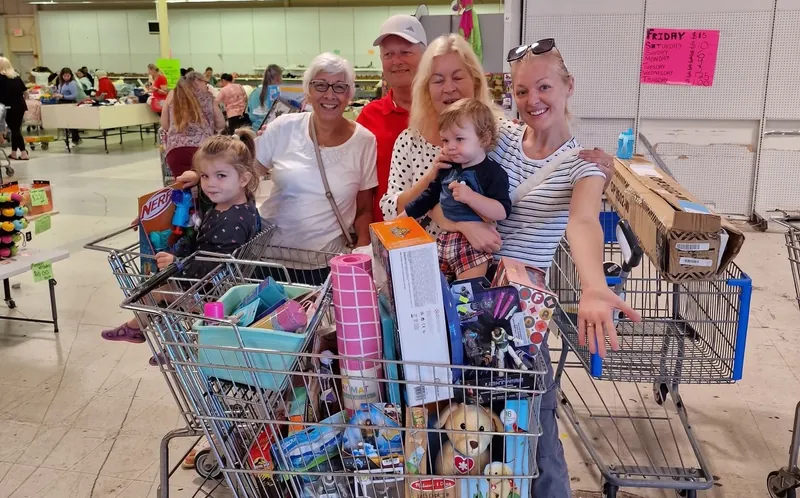
You're standing in a parking lot on a Tuesday morning, and there's already a line forming outside a warehouse-style store before it even opens. People are clutching reusable bags. Someone brought a cart. You have no idea what you're walking into, but the handwritten sign in the window says "Restock Day, Everything Starting at $8." That's the world of bin store shopping, and honestly, once you get it, you'll wonder why you didn't start sooner.
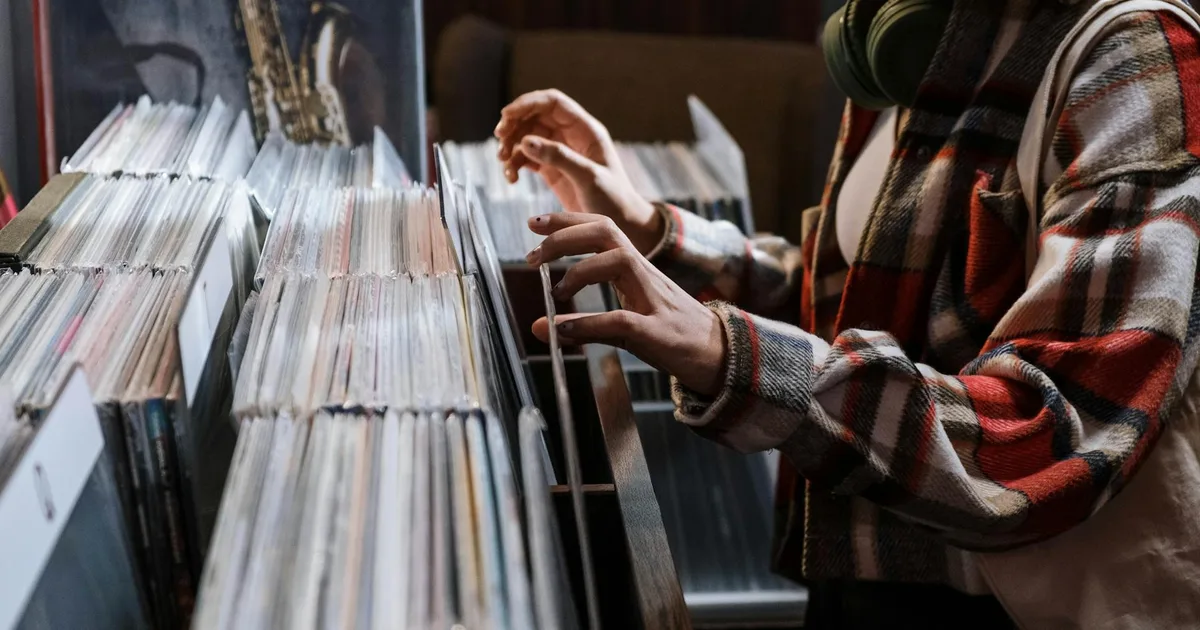
Pallet liquidation shopping has quietly grown into one of the most popular ways to find serious deals on everyday goods, electronics, clothing, tools, and more. But it can also be confusing, especially if you've never set foot in a bin shop before. What's the difference between a bin store and a liquidation store? Is that Amazon return pallet full of treasure or junk? How do you know if a place is worth your time? This guide will walk you through everything you need to know before you go, using real data from the Bin Store Pal directory and practical advice from people who've spent way too much time digging through bins.
1. Understand What You're Actually Shopping At (The Terminology Is a Mess)
Bin store. Bin shop. Bin outlet. Liquidation store. Overstock store. Amazon return store. Return pallet store. Bargain bin. Discount retail. These terms get thrown around interchangeably, and that's not an accident, most of them really do describe the same basic type of business. A bin warehouse and a bin outlet are almost certainly doing the same thing. What matters is understanding the model, not memorizing which label goes where.
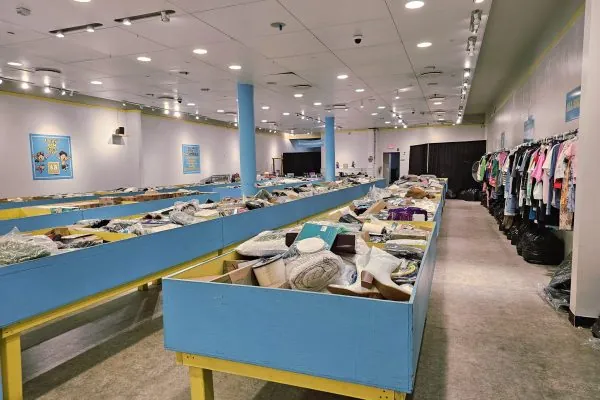
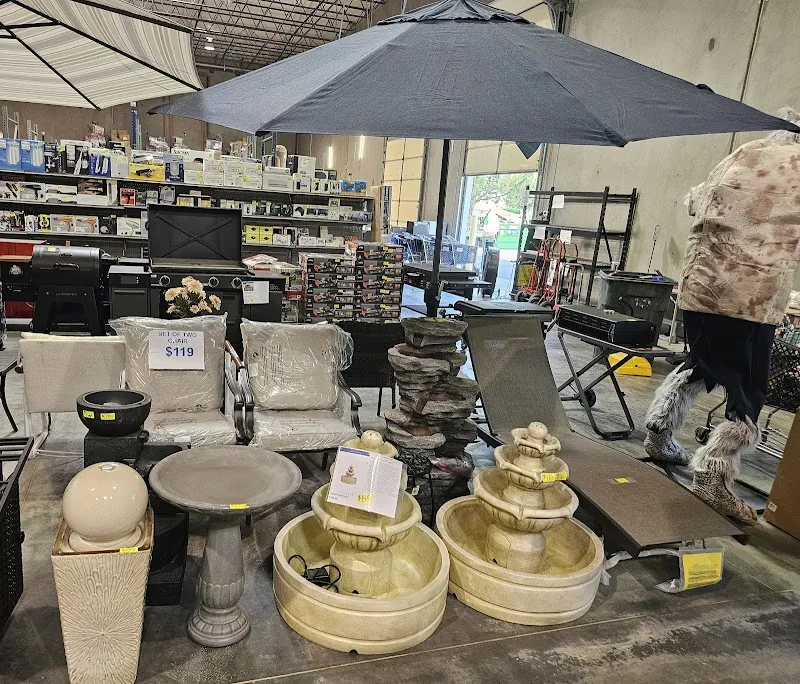
Here's how it works: major retailers like Amazon, Walmart, and Target end up with massive quantities of returned, overstock, and shelf-pull merchandise every single day. Rather than process each item individually, they bundle everything onto pallets and sell those pallets in bulk to secondary buyers. Bin stores buy those pallets, haul the contents into their warehouse, dump everything into large open bins, and sell it all directly to shoppers at steep discounts. Some stores pay a flat fee per pallet, others bid at auction. Either way, the merchandise is priced to move fast because these places are constantly cycling in new inventory.
Because the sourcing comes largely from customer returns, condition is all over the place. You might pull a brand-new cordless drill still in its original packaging from the same bin where someone else finds a kitchen gadget with a missing piece. That's just how pallet liquidation works, and going in with that expectation is half the battle. The people who get burned at these places are usually the ones who expected something closer to a regular retail experience.
Before visiting any store for the first time, search the business name on both Google and the Bin Store Pal directory. Look specifically at recent reviews, not just the overall rating. A place with 200 reviews averaging 4.5 stars is usually more reliable than one with 12 reviews at 5.0.
2. Know Where the Best Markets Are (And Why It Matters for Shoppers)
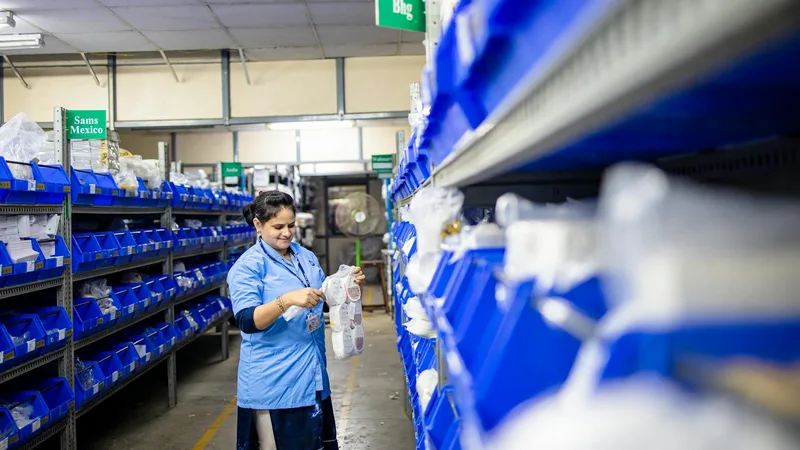
Bin Store Pal currently lists 1,252 businesses across the United States. That's not a small number. Las Vegas leads all cities with 22 listings, followed by New York (17), Phoenix (14), Colorado Springs (13), and Honolulu (12). That Honolulu number surprised me, honestly, it's a relatively compact city and those are strong numbers for an island market.
Why does city concentration matter to you as a shopper? Competition. When 22 bin stores are operating in the same metro area, they have real pressure to price aggressively, stock better merchandise, and keep their stores in good shape. A city with three liquidation stores has no such pressure. Shoppers in Las Vegas and Phoenix have real options when one store disappoints, they can drive twenty minutes and try somewhere else. That gives you leverage, even if you never consciously use it.
If you're in a smaller market with fewer options, it's worth expanding your search radius. Some of the best bin outlets are in suburban or semi-rural locations where real estate is cheaper, which sometimes means bigger floor space and better-organized bins. A store in a smaller town might have half the foot traffic of a city location, which means less competition on restock day and more time to actually dig through things without someone hovering over your shoulder.
Also worth noting: if you're already a bargain hunter who shops at salvage grocery stores or discount food outlets, you probably already understand the mindset these places require. Salvage grocery options in your area follow a similar model, and shoppers who thrive in those environments tend to take to bin stores naturally.
Search Bin Store Pal by city before planning a trip. In high-density markets like Las Vegas or Phoenix, filter by rating and look for stores above 4.0 stars, you'll have real choices between quality options rather than just taking whatever's closest.
3. Learn How Pricing Actually Works (This Is the Whole Game)
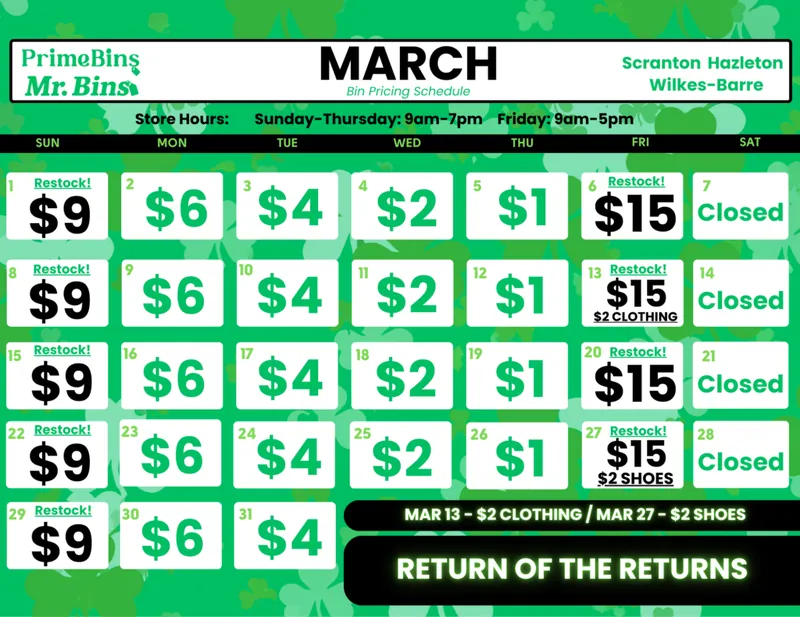
Most bin stores run what's called a tiered markdown system, and once you understand it, it completely changes when and how you shop. Here's the typical structure: items start at their highest price on restock day, often Monday or Tuesday depending on the store, and the price drops on a set schedule throughout the week. By the last day before the next restock, you might be paying a dollar or less per item, sometimes less than that.
Early in the week, you're paying more but getting first pick of new inventory. That matters a lot for electronics, tools, and anything name-brand. By Thursday or Friday, prices are low but the good stuff is mostly gone. Smart shoppers usually hit the store twice: once early in the cycle for high-value items, and once late for low-price bulk finds like clothing, kitchen items, or stuff to flip.
Some stores post their weekly schedule on their door, their social media, or their Google listing. Others keep it vague, which is annoying and also a mild red flag about how organized the place is in general. A well-run overstock store will be transparent about its schedule because it drives foot traffic at predictable times and helps with staffing.
Wait, that's not quite right to call it a red flag on its own. Plenty of good stores just don't bother updating their social media consistently. But if you can't find any information about the restock schedule AND the store has no posted pricing AND the staff seems evasive when you ask, now you're looking at something to be cautious about.
Call the store before your first visit. Ask two simple questions: "What day do you restock?" and "What are your prices on restock day versus end of week?" Any decent bin store will answer both without hesitation. If you get vague non-answers, that tells you something.
4. Spot the Quality Signals Before You Even Walk Inside
A reputable bin store or liquidation outlet usually shows its quality before you even get through the door. Parking lots that are reasonably maintained, a clean storefront, hours that are actually posted and accurate, a phone number that someone picks up, these sound like basic stuff, but they separate organized operations from chaotic ones.
Check Google reviews specifically for recent mentions of "restock," "staff," and "pricing." Those three words in reviews tell you a lot. If people are consistently writing things like "loved the new inventory this week" and "staff was super helpful explaining how prices work," that store has its act together. Contrast that with stores where recent reviews mention confusion about prices, unhelpful employees, or items that were clearly damaged beyond what was reasonable even for a return pallet situation.
On the Bin Store Pal directory, the 4.2-star average across 1,252 businesses is actually a healthy baseline. But the variance between the top performers and the bottom ones is wide. Look at the numbers: The Other Side Thrift Boutique in Millcreek, Utah sits at a perfect 5.0 stars across 5,092 reviews. That's not a fluke. More than five thousand people rated an experience and the average came out at a perfect score, that's a store that has built a real, consistent operation. Deals Outlet Bin Store has two locations (Tallahassee, FL and Gainesville, GA) both at 5.0 stars, with 1,565 and 662 reviews respectively. Those are real data points worth paying attention to if you're in those markets.
Bin Fest in Deerfield Beach, Florida also holds a 5.0 across 382 reviews. Worth the drive if you're anywhere near Broward County.
Sort businesses on Bin Store Pal by rating, but also look at review count alongside the star average. A store with 500 reviews at 4.3 is almost always a safer bet than a store with 8 reviews at 5.0.
5. Use This Checklist When You're Actually Inside the Store
Walking into one of these places for the first time can feel a little chaotic, especially on restock day when there are twenty people shoulder-to-shoulder digging through bins. It smells like cardboard and sometimes a faint hint of whatever cleaning product they use on the floors. Some stores are bright and well-organized; others feel like a warehouse mid-explosion. Your job is to stay focused and evaluate what you're actually picking up.
Here's a practical checklist for evaluating items in the bins:
- Check packaging integrity first. Original seals still intact? Box in reasonable shape? Multi-part items (think: appliances, kits, anything with accessories) should have all major components present before you buy. Shake the box gently. If it rattles wrong, open it before committing.
- Test electronics when possible. Good bin stores usually have an outlet or charging station somewhere near the bins so customers can test devices. If a store explicitly won't let you test something before buying, that's a problem. Most reputable places accept that this is part of the deal.
- Look for water damage or heavy prior use. On higher-value items, power tools, small appliances, anything over ten dollars in the bin, check for rust, corrosion around ports, cracked housings, or stains that suggest the item was used hard before being returned.
- Check if bins are organized by category. Stores that sort by category (electronics here, clothing there, toys over there) are almost always better-run than stores where everything is dumped together. Category organization means the staff is paying attention. It also makes your shopping faster and less frustrating.
- Notice whether prices are clearly posted. Prices should be obvious. Not just a small sign somewhere near the register, but clearly visible near every bin or at least every zone. If you can't figure out what things cost without asking, that's a setup for confusion at checkout.
- Ask about sourcing if you're spending real money on something. A good return pallet store should be able to tell you at least generally where their merchandise comes from: Amazon returns, Walmart overstock, a specific liquidation company. Vague answers to sourcing questions can mean lower-quality merchandise overall.
One more thing that doesn't fit neatly into a list: trust your instincts about the staff. If the people working there seem genuinely knowledgeable and don't mind questions, that usually means ownership cares about running a real business. If employees seem annoyed by basic questions or don't know their own pricing schedule, that frustration tends to reflect the whole operation.
Bring a small flashlight or use your phone light when checking items at the bottom of deep bins. Some bin stores are darker than ideal and packaging details are easy to miss without a little extra light on the situation.
6. Red Flags That Tell You to Walk Away
Some stores are just not worth your time, and a few are genuinely designed to separate you from your money without giving you much in return. Knowing the red flags before you go in means you can make a fast, clean decision instead of wasting an afternoon.
No posted prices. Anywhere. This is a big one. If pricing is intentionally unclear, the store has structured things so that you don't know what you owe until you're at the register with an armload of stuff. That's a pressure tactic, not an oversight.
No return policy or exchange is totally normal for bin stores, but some places go further and get weirdly hostile about even basic questions regarding item condition. "You bought it, you own it" is the standard policy, and that's fine. But "we don't answer questions about items" is not fine.
Bins that are almost entirely unsellable junk. Every bin store has some percentage of items that nobody will buy: broken things, incomplete sets, items with no obvious use. But if you're digging through a bin and more than half of what you're touching is clearly garbage, that store is buying the lowest-tier pallets available and passing the sorting problem onto you. A better-run pallet liquidation operation does at least basic sorting before things hit the floor.
Sketchy "original retail value" claims. Some stores post signs claiming items are "worth" three hundred dollars and they're selling for ten. Sometimes that's true. Often it is not. Be especially skeptical of electronics or name-brand items with no visible branding and a "retail value" claim that seems high.
Extremely low review counts paired with extremely high ratings. Five stars on six reviews means almost nothing. It could be genuine, or it could be friends and family. Wait for a store to accumulate real volume before trusting its rating completely.
Before spending more than twenty dollars at any single bin store visit, spend five minutes doing a quick walk of the entire floor without picking anything up. Get a feel for the merchandise quality, the organization level, and the general vibe. First impressions in these places are usually accurate.
7. How to Use the Bin Store Pal Directory to Find the Right Store
With 1,252 businesses listed and an average rating of 4.2 stars, Bin Store Pal is a real resource for making smarter decisions about where to shop. But a directory is only useful if you know how to read it well, and there are a few specific things worth doing before you commit to a visit.
Search by location first, obviously. But then sort by rating and look at the review count column before anything else. As mentioned earlier, volume matters as much as score. From there, click into individual listings and read actual review text, not just the star average. Look for patterns: multiple people mentioning the same positive thing ("always well-organized," "friendly staff who explain pricing") or the same complaint ("bins were picked over," "hard to find prices").
Cross-reference with Google Maps for current hours and photos. Sometimes a store's Bin Store Pal listing is slightly outdated on hours. Google tends to get updated more frequently because owners get prompted constantly. A store that has current photos on Google is usually a store that's actively engaged with its own reputation, which is a decent signal on its own.
And if you're the type of bargain shopper who likes to maximize your discount hunting in one trip, you might also want to explore the grocery side of things. Shoppers who frequent bin outlets often overlap with folks who use salvage grocery stores for deeply discounted food items, and combining both types of stops in one outing can make for a seriously productive discount shopping day.
One last thing: do not judge a bin store by its neighborhood or its building exterior too harshly. Some of the best overstock stores are in strip malls that have seen better days, in industrial areas, or in spots with terrible parking. The physical setting has almost no relationship to the quality of the merchandise or the integrity of the operation. Go inside before you decide.
Check a store's social media pages (usually Facebook or Instagram) in addition to directory listings. Active social accounts with regular photos of new inventory usually mean the store restocks consistently and wants to keep customers coming back. That's the kind of place worth adding to your rotation.
What exactly is a bin store?
A bin store (also called a bin shop, bin outlet, or bin warehouse) is a retail business that buys pallets of returned, overstock, or shelf-pull merchandise from major retailers and resells it to the public in open bins at discounted prices. Customers dig through bins to find items, which are sold as-is with no guarantees.
Are bin stores the same as liquidation stores?
Mostly yes. Liquidation store, overstock store, return pallet store, and bin store all describe businesses operating in the same general model. Some liquidation stores sell merchandise on shelves rather than in bins, and some have a slightly different sourcing mix, but the core idea is the same: discounted merchandise from retail return or overstock channels.
What's the best day to visit a bin store?
It depends on what you want. Restock day (often Monday or Tuesday) gives you first pick of new inventory but at higher prices. Late in the week means lower prices but picked-over bins. Most serious shoppers visit twice per week cycle when they find a store they like.
Can I return items I buy at a bin store?
Almost never. Most bin stores and liquidation outlets have a firm no-return policy because the merchandise they sell is itself made up of customer returns and overstock. Buy with the understanding that all sales are final, and inspect everything carefully before paying.
How do I know if a bin store is trustworthy?
Look for clearly posted pricing, a restock schedule, staff who answer questions, and consistent reviews above 4.0 stars on Bin Store Pal or Google. Stores with hundreds of reviews at 4 stars or above have built that reputation over real time with real customers.
More Ways to Save
Find Bin Stores Near You on Bin Store Pal
Browse our directory of 1,252+ businesses across the United States. Filter by city, sort by rating, and find your next great