What Bin Stores Actually Owe You Before You Buy
Over 1,260 verified bin store listings sit in the Bin Store Pal directory, and the average rating across all of them is 4.2 stars. That's genuinely good. But the stores that consistently earn high marks tend to share one habit: they tell you what's in the bins before you show up and start digging.
Product transparency is one of the quality standards every store in this directory is held to. It sounds simple. Give people accurate descriptions and clear photos of what they're selling. And yet, the difference between a store that does this well and one that does not can be the difference between a great haul and a wasted trip across town.
What "Product Transparency" Actually Means at a Bin Store
Bin stores sell customer returns, overstock, and liquidation pallets. The merchandise changes fast, sometimes daily. That reality makes transparency harder to maintain than at a regular retailer, but it also makes it more important.
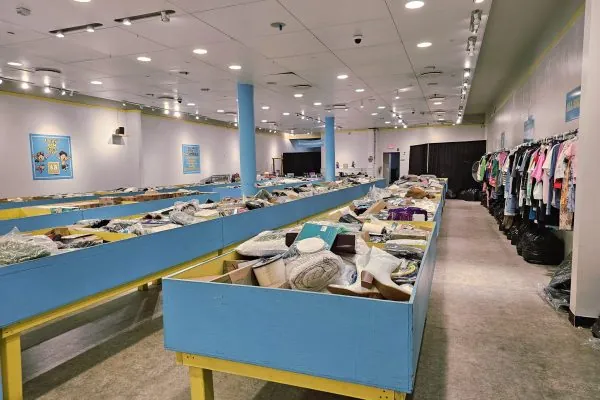
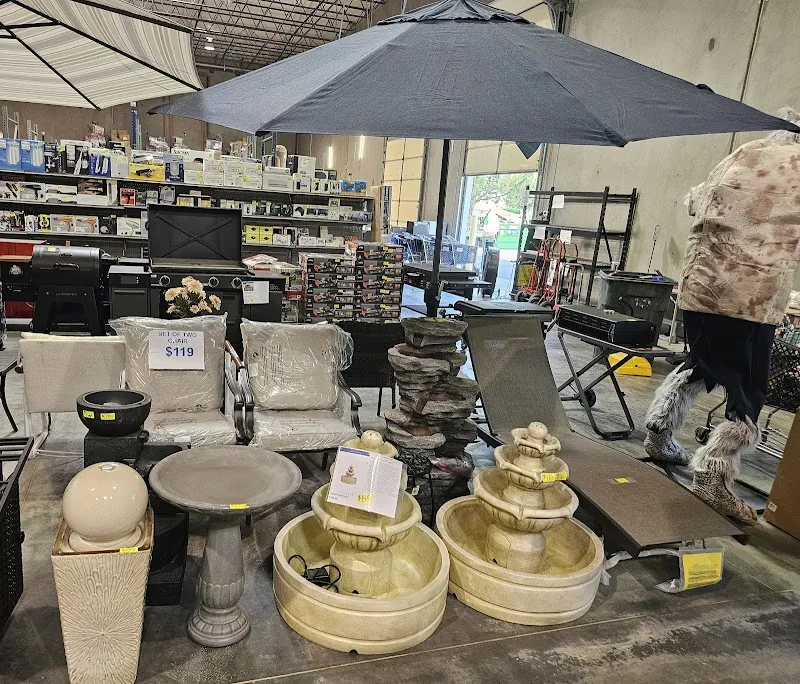
A store meeting this standard will typically post photos of the current bins, list general product categories (electronics, housewares, toys, clothing), and flag any known condition issues before you walk in. Not every single item gets described, that would be impossible, but the overall picture should be honest and recent.
Here's where it gets interesting: some stores post photos that are days or even weeks old. You show up expecting a bin full of kitchen gadgets and find shoes. That's not transparency, that's just content for content's sake.
If a listing on Bin Store Pal has current photos dated within the last few days, that's a good sign. If the images look like they were taken in 2021 and nothing has been updated since, factor that in before you make the drive.
- Check when photos were posted, not just whether photos exist.
- Look for descriptions that mention specific product types, not just vague words like "mixed merchandise" with no detail at all.
Why Photos Matter More Than You Might Expect
A lot of bin store regulars will tell you that half the game is knowing what kind of day to go. New pallet drop days mean full bins and better selection. Late in the week, bins are picked over and prices are lower. Good photos help you figure that out before you leave the house.
Stores that post clear, well-lit images of actual current stock let you do a quick visual scan and decide if it's worth the trip. You can often spot brand names, product conditions, and general density of the bins just from a decent photo. That saves time. Genuinely.
I've seen stores post photos that are so dark and blurry they might as well be abstract art. Not useful.
On the flip side, stores that consistently post sharp, recent images tend to attract repeat visitors because those shoppers know what to expect. Trust builds fast when a store is upfront, and it erodes just as fast when it isn't.
- If a store has a social media page, cross-check it with the listing. Active social accounts often show more current stock photos than the listing itself.
- Pay attention to whether product condition (new, open box, damaged) is mentioned anywhere. That detail matters a lot for how you value what you find.
Reading Descriptions and Spotting Gaps
Descriptions at bin stores don't need to be long. They do need to be accurate.
A listing that says "current inventory includes open-box electronics, small appliances, and some clothing" is doing its job. One that just says "bins restocked weekly, come check us out!" is not really telling you anything. Both might appear in a directory. Only one is being transparent.
Wait, that's not quite right. Sometimes the vague listing is just a newer store that hasn't figured out its content yet, not necessarily a store that's hiding something. Context matters. But as a general rule, more specific information signals more confidence in what's being offered.
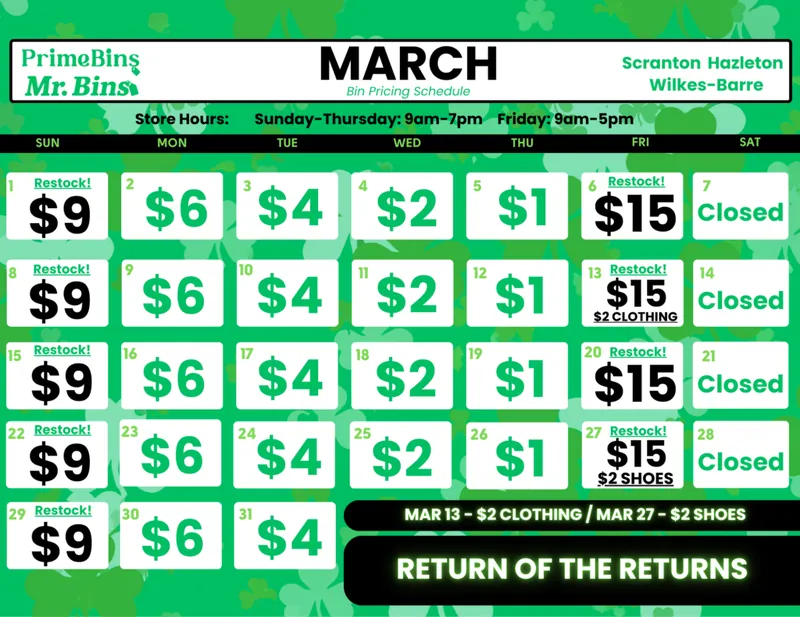
Pricing structure is part of this too. Some bin stores use tiered pricing where items get cheaper as the week goes on. Others price everything flat. A transparent store explains its pricing model somewhere in its listing or on its website, so you're not guessing at the register.
- Look for listings that describe the pricing model, not just the products. Knowing it's a flat $3 per item versus a tiered drop schedule changes how you plan a visit.
- If a description mentions specific brands, even in passing, that's a good signal. It means the store actually looked at what's in the bins before writing anything down.
How to Use Transparency Standards When Picking a Store
Bin stores with strong transparency practices are easier to plan around. Full stop.
When you're comparing listings in a new area, treat product photos and descriptions as a proxy for how the store operates overall. A store that keeps its listing updated, posts real photos, and gives you a clear sense of current inventory is probably also the kind of store that keeps its bins organized and its pricing consistent.
Stores that can't be bothered to post a recent photo or write two sentences about what's in stock right now often have other friction points too. That has been the pattern.
One more thing worth saying plainly: if you visit a bin store and it looks nothing like the listing, leave a review that reflects that. Ratings on Bin Store Pal are more useful when they're specific. "Photos were outdated by at least two weeks" is more helpful to the next person than a one-star rating with no context.
- Filter for stores with recently updated listings when you're trying somewhere new.
- Use your own visit experience to update ratings and reviews, especially around accuracy of the listing. That information helps everyone.
Frequently Asked Questions
Do all stores in the Bin Store Pal directory have to meet the product transparency standard?
Yes. It's one of the quality standards applied to verified listings. That doesn't mean every store executes it equally well, but it is part of what the directory checks for.
What should I do if a listing has outdated or inaccurate photos?
Leave a review noting the discrepancy. You can also flag the listing through the directory. Both help keep information current for other people looking at the same store.
How current should a bin store's photos be?
Ideally