The Bin Store Finds You Can't Get at Target (And Why That's Actually the Point)

Most people assume big retailers have the best deals. They don't. Not even close. Bin stores and liquidation shops routinely carry name-brand merchandise at 60, 70, sometimes 90 percent below retail, and the products are often things you'd never see on a Walmart shelf in the first place.
That's the real draw of exclusive local deals through a directory like Bin Store Pal. It's not just about saving money. It's about finding things that are genuinely one-of-a-kind, available only at a specific store, for a specific window of time, and then gone.
Why Local Bin Stores Get Inventory That Big Retailers Never Sell
Here's something a lot of people do not realize: major retailers like Amazon, Target, and Home Depot regularly offload returned, overstock, and shelf-pull merchandise through liquidation channels. That inventory gets sorted into pallets and sold to regional distributors, who then sell to local bin stores. By the time those products land on a bin store shelf, they've traveled a supply chain that the average shopper never sees.
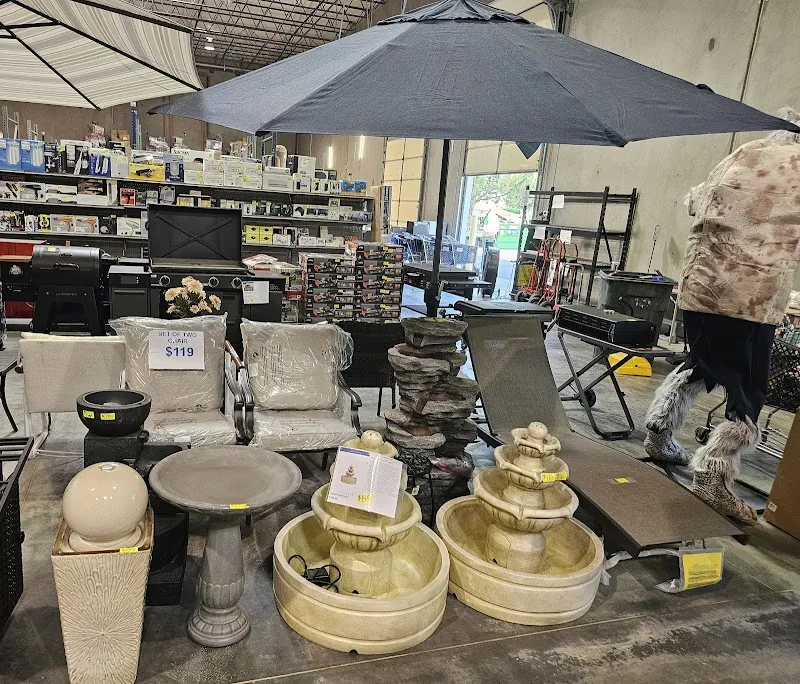
And because each store buys different pallets from different sources, no two bin stores carry the same stuff. One store might specialize in electronics and home goods. Another might get heavy shipments of clothing, tools, or baby products. You genuinely do not know what you'll find until you walk in.
Worth pointing out: this is exactly why the deals feel exclusive. They are. A particular pallet of Cuisinart air fryers or Lego sets might land at one store in your city and nowhere else. Once those items sell, they're gone. No restock. No rain check.
Actionable point: if a bin store near you lists a specific product category on their profile page, check it before you visit. Some stores on Bin Store Pal note their specialty inventory right in their listing, which saves you a wasted trip.
New Inventory Weekly Means the Deals Actually Rotate
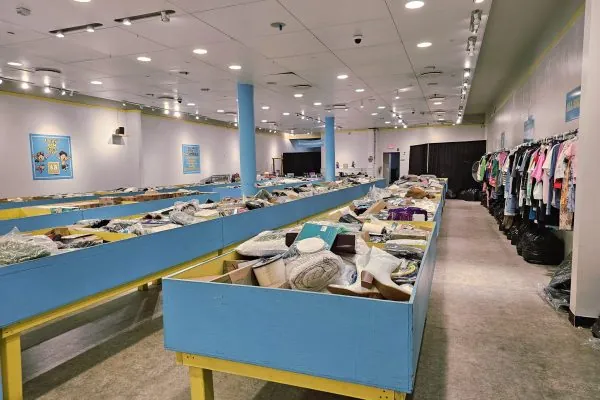
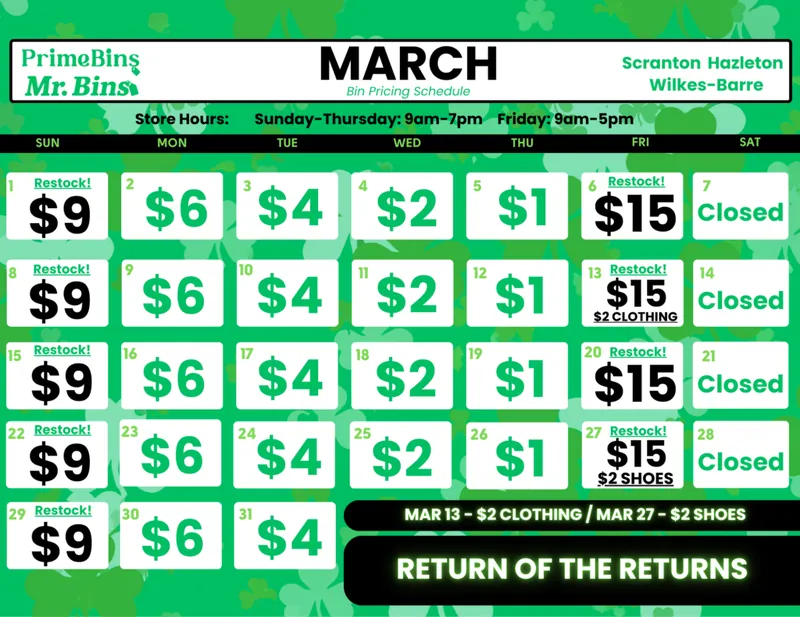
Bin stores typically reset their inventory on a set schedule, often once or twice a week. Prices drop as the week goes on, too. Early in the week, bins are freshly stocked and priced higher. By Thursday or Friday, many stores cut prices dramatically just to clear the floor before the next load arrives.
That pricing rhythm is something regular visitors pick up on fast. If you're hunting for a specific type of product, going mid-week gives you the best selection. If you're hunting for the lowest possible price and don't mind picking through what's left, end-of-week is your window.
I would go mid-week over end-of-week every time, honestly. Yes, prices are higher, but the selection is so much better that you're more likely to find something worth buying at full bin price than to find a deal on the dregs at the end of the cycle.
One thing that surprised me the first time I visited a bin store: the pricing labels can be color-coded. Different colored stickers indicate different price tiers or different drop levels for that week. Not every store does this the same way, so it's worth asking the staff how their system works when you arrive. Some stores post it on a chalkboard near the entrance. Others just assume you already know.
Actionable point: check the store's Bin Store Pal listing for any notes about their restock day or pricing schedule. Quite a few stores in the directory include this information, and it's genuinely useful for planning your visit.
How to Actually Find These Deals Through the Directory
Bin Store Pal has more than 1,260 verified listings, and the average rating across those listings sits at 4.2 stars. That's not a bad baseline for a directory built around a niche retail format that most people only heard about three or four years ago.
But having a lot of listings isn't automatically useful if you can't filter them well. The deals that matter to you are local ones. A bin store two states away doesn't help you, no matter how good their inventory is.
Start by searching your city or zip code and sorting by rating. High-rated stores are usually high-rated for a reason: consistent inventory, fair pricing, well-organized bins, and staff who actually know what came in that week. Those are the stores worth building a routine around.
Also, read the reviews with some skepticism. A three-star review that complains "they didn't have what I wanted" tells you almost nothing. A four-star review that says "great selection of kitchen items, restocks Tuesday mornings, prices drop by Thursday" tells you everything. Look for reviews that include operational details, not just vibes.
Actionable point: once you find two or three bin stores near you with strong ratings and useful reviews, bookmark them. Check their listings periodically for any updates about new inventory categories or schedule changes. Some stores update their profiles when they start receiving different pallet types.
What Makes These Deals Different From Coupon Apps and Flash Sales
Coupon apps give you discounts on products that are already available everywhere. Flash sales on big retail sites are fine, but you're still buying from a national retailer on their terms, at their timing, with their return policies. Bin store deals don't work like that at all.
There's no algorithm curating what you see. No sponsored products at the top of a search results page. You walk in, you look through physical bins, and you either find something or you don't. It's a completely different experience, and for a lot of people, that unpredictability is half the appeal.
And the exclusivity is real in a way that "limited time offer" banners on a website are not. When a bin store sells out of something, it's actually gone. Nobody's restocking it from a warehouse. The deal existed because of one specific pallet, at one specific store, in your specific city.
That's not something any national app can replicate.
Frequently Asked Questions
- How often do bin stores get new inventory? Most bin stores restock once or twice a week. Many list their restock schedule in their Bin Store Pal profile, so check there before visiting.
- Are the products in bin stores damaged or broken? Some items are returns that may have minor cosmetic damage, but many are overstock or shelf-pulls in perfect condition. It varies by store and by pallet. Inspect items before buying.
- Why do prices change throughout the
More Ways to Save