Return Policies at Bin Stores Are Messier Than You Think
Most people walk into a bin store, grab an armload of stuff, and pay without giving returns a second thought. That works fine, until it doesn't. Return policies at bin stores vary wildly from location to location, and some of them will genuinely surprise you.

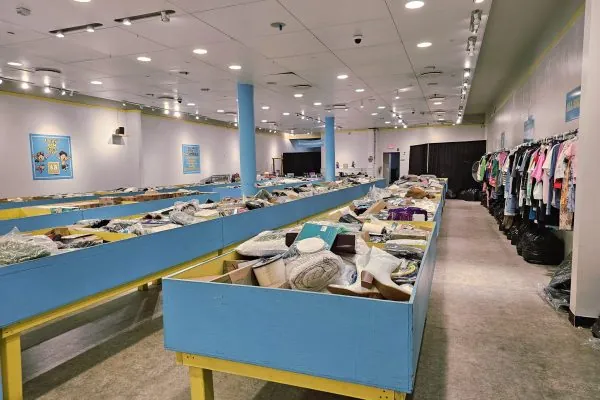
Bin stores are not like big-box retailers. You are not buying a sealed product with a receipt from a national chain that has a standardized 90-day return window. These places deal in liquidation merchandise, customer returns, and overstock goods. The policies they set reflect that reality, and they are often shorter, stricter, or just plain different from what you are used to.
What You Will Actually Run Into at a Bin Store
Walk into a bin store without reading their return policy first and you are taking a gamble. Some stores post an "all sales final" sign near the register. Others offer a 24-hour or 48-hour exchange window, but only for items that are defective. A handful of stores, especially the better-rated ones in a directory like Bin Store Pal, do offer a short return window with no questions asked, but that is not the norm.
Honestly, the variation is kind of staggering. Two stores in the same city can have completely different rules.
There are also stores that split their policy by product category. Electronics might be final sale, while clothing gets a three-day return window. Some places will exchange but not refund. Others require the original bin tag, which is easy to lose if you toss everything into one bag at checkout.
And then there are stores that do not post any policy at all. You have to ask. That alone should tell you something about how important it is to ask before you buy anything over a few dollars.
Why Bin Store Policies Work This Way
It comes down to what they are selling. Bin stores buy pallets of goods that retailers have already returned or discontinued. That merchandise comes in as-is. Sometimes items are damaged. Sometimes they are missing parts. Sometimes they work perfectly fine. The store often does not know which is which until a customer opens it at home.
Because of that uncertainty, many stores protect themselves by limiting or eliminating returns entirely. They priced the item low to account for the risk, and they expect you to share in that risk as a buyer.
That is not unreasonable, actually. A $4 mystery item at a bin store is priced that way for a reason.
But "low price, buyer beware" does not mean you should skip reading the policy. It means you should read it even more carefully, so you know exactly what you are agreeing to. With over 1,260 verified listings on Bin Store Pal, each store sets its own rules, and those rules are worth a few minutes of your time before you dig into the bins.
How to Actually Check Before You Shop
Look up the store's listing before you go. Many listings include notes about store policies, hours, and what kinds of merchandise they carry. If the return policy is not listed, check the store's own website or social media page. Bin stores often post policy updates on Facebook more reliably than anywhere else. Weird but true.
When you arrive, look near the register or at the entrance. Policy signs are usually posted there. If you do not see one, ask. Just say, "Hey, what's your return policy if something is broken?" Most staff will answer directly. Do not wait until you are at the register with a cart full of items.
A few specific things to ask about:
- How many days do you have to return or exchange an item?
- Do you need the bin tag, a receipt, or both?
- Is the policy different for electronics or items over a certain dollar amount?
- Is it a refund to your original payment, store credit, or exchange only?
Write it down if you need to. Seriously. Memories of verbal conversations get fuzzy fast, especially when you are shopping multiple stores in one day.
Making Smart Calls Once You Know the Policy
Knowing the policy changes how you shop. If a store has no returns, you will naturally be more selective about what you grab. You might skip the blender that looks like it was dropped once, even at a great price. You might focus on clothing, which is easier to assess on the spot, and leave the electronics for stores with at least a short defective-item window.
Stores with a short return window, say 24 to 48 hours, reward shoppers who test things immediately. Get home, plug it in, open it up. Do not set the bag in a corner and forget about it for a week. That window closes fast.
Wait, that is not quite right to say "forget about it," because sometimes you do not forget, you just get busy. Set a reminder on your phone the moment you leave the store. That one small habit has saved people real money.
Stores with more generous policies are genuinely worth a higher rating in your personal mental list of places to revisit. Better return terms reduce your risk, and lower risk means you can be a little bolder in what you grab. That is just good shopping math.
And if a store does not have any posted policy and staff cannot tell you what it is? That is useful information too. It probably means returns are handled case by case, which is a polite way of saying they are handled inconsistently. Factor that in before you commit to anything expensive.
Bin stores are genuinely fun to shop. You never know what you will find, and the prices are hard to argue with. But going in without knowing the return rules is the kind of thing that turns a good haul into a frustrating afternoon. A few minutes of research before you leave the house is a small price for a lot less hassle on the back end.