Maximize Your Value: How to Evaluate Overstock Stores (And Actually Walk Out Ahead)
Picture this: you walk into a big warehouse-style store, bins everywhere, people elbow-deep in random merchandise, someone holding up a brand-new kitchen gadget still in the box for three dollars. You had no idea this place existed until a friend mentioned it, and now you're wondering how you've been paying full retail price for anything at all. That's the moment most people get hooked on bin stores and liquidation outlets.
These places, whether you call them bargain bin shops, bin outlets, amazon return stores, or just "that weird warehouse full of stuff," have been growing fast. And for good reason. Shoppers who know what they're doing can save 50 to 90 percent off retail prices on everything from electronics to kitchenware to clothing. But walking in blind is a recipe for buying a broken blender and going home annoyed. This guide is about how to find the right stores, evaluate them before you waste a trip, and shop them in a way that actually makes financial sense.
What Overstock Stores Are and How They Actually Work
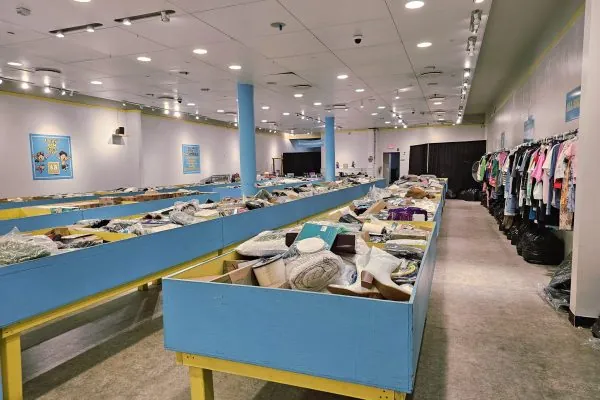
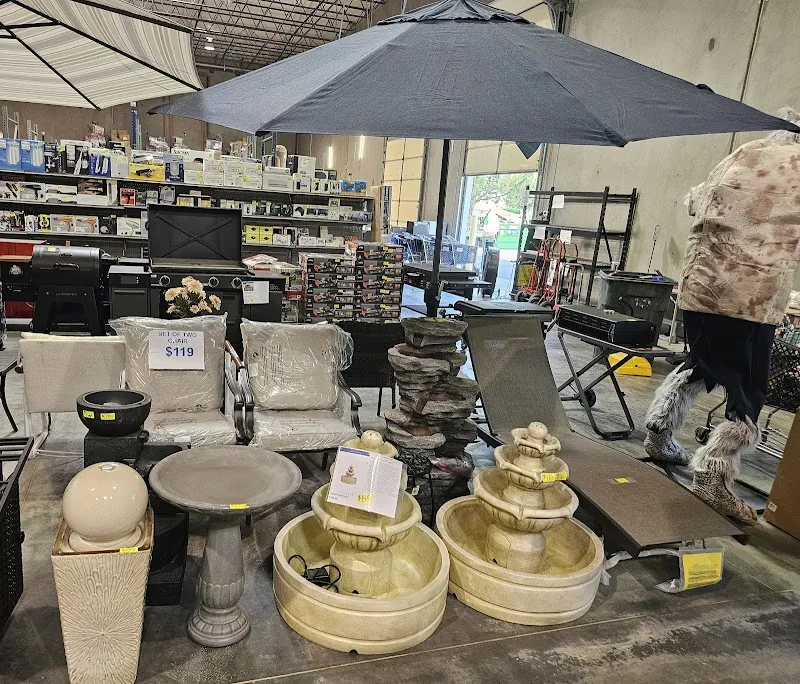
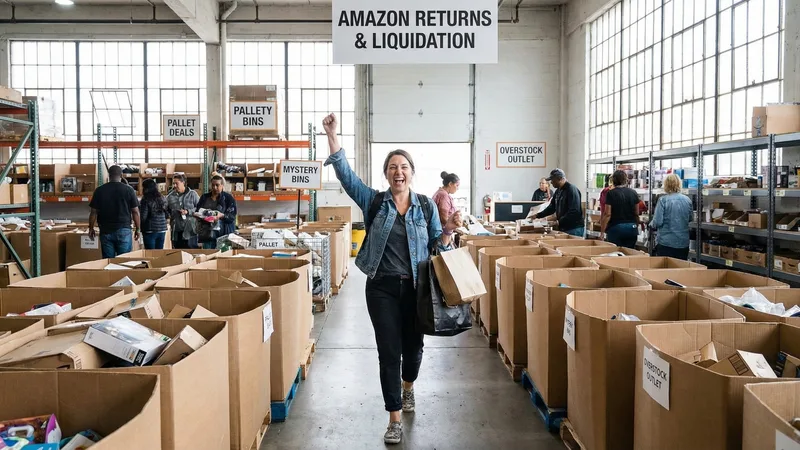
There's a whole world of store types under this umbrella, and they are not all the same. A bin store is usually set up with large plastic bins on the floor, filled with unsorted merchandise that customers dig through directly. A liquidation store might have shelves with items priced individually. An amazon return store specifically sells goods that were returned to Amazon's fulfillment network. Return pallet stores and pallet liquidation outlets sell merchandise by the pallet, sometimes to resellers, sometimes to regular shoppers. Bin warehouses are often bigger operations, sometimes open to the public a few days a week. All of these fall under the broader category of overstock retail, and they're all worth understanding before you pick one to visit.
So where does the merchandise actually come from? Retailers and e-commerce giants like Amazon end up with enormous volumes of returned, overstock, and shelf-pull products every single year. Rather than destroy or store those goods indefinitely, they sell them in bulk to liquidators. Those liquidators either resell the pallets to smaller bin shop operators or run their own storefronts. By the time a product reaches a bin in front of you, it has usually passed through at least two or three hands, which is exactly why prices can be so low.
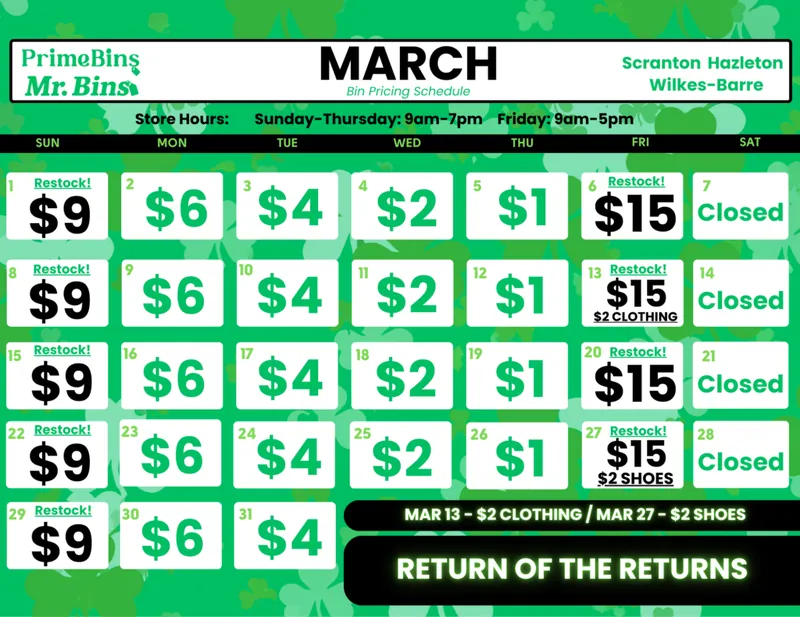
One thing that catches new shoppers off guard is the rotating price model most bin stores use. On restock day, every item in the bins might be priced at eight or ten dollars. Day two, the price drops to six. Day three, maybe four dollars. By the end of the week, you might be grabbing things for a dollar or less before the bins get cleared out and refilled. Knowing this rhythm matters enormously. If you want first pick of fresh inventory, go on restock day. If you want the lowest possible prices and do not mind a more picked-over selection, go on the last day before the reset.
Before visiting any overstock store or bin outlet, look up their pricing schedule. Most post it on Facebook or Instagram. Knowing whether you're on day one or day five of their cycle changes everything about what you should expect to pay.
The Industry By the Numbers: More Stores Than You Might Expect
Here's something that might actually surprise you: the Bin Store Pal directory currently lists over 1,260 businesses across the United States. That is not a niche little corner of retail anymore. That's a real, functioning segment of the discount market with locations in cities big and small, and the number keeps growing.
Las Vegas leads the country with 22 listings, which honestly makes a kind of sense given the volume of tourism and consumer activity there. New York comes in at 17. Phoenix has 14, Colorado Springs has 13, and Honolulu rounds out the top five with 12. Colorado Springs and Honolulu being in the top five is genuinely interesting. These aren't the largest metro areas in the country, but clearly there's strong local demand for discount retail options in both places.
Across all those 1,260-plus businesses, the average customer rating sits at 4.2 out of 5 stars. That tells you something useful: most people who bother to leave a review had a good experience. Not every store is a winner, obviously, but the majority of shoppers who find the right location come away satisfied. Your job is to find the stores pulling above that average, not the ones dragging it down.
And if you're someone who also likes to stretch grocery budgets alongside general merchandise, it might be worth knowing that a similar model exists for food, too. Salvage grocery stores near you operate on the same principle of buying overstocked or close-dated goods from distributors and passing the savings on to shoppers. Worth bookmarking if discount retail is your thing generally.
Search Bin Store Pal by your city or zip code and note how many listings come up. If there are five or more in your area, you have enough options to be selective. Use the 4.2-star average as your floor, not your target.
How to Research and Locate Stores Worth Your Time
Finding a good liquidation store is not hard if you approach it methodically. Going in random is how people end up at a disorganized bin warehouse with unlabeled prices and a staff member who shrugs at every question. Do a little homework first and your first visit has a much better chance of being worth it.
Step 1: Start with the directory. Go to Bin Store Pal and search by city or zip code. You'll get a list of nearby bin stores, overstock retailers, and liquidation outlets with basic information about each one. Even just having that list in front of you is a better starting point than a generic Google search.
Step 2: Filter by rating. Prioritize stores rated at or above 4.2 stars. That's the directory average, and it's a reasonable baseline. A store sitting at 3.6 with sixty reviews has been consistently disappointing people. A store at 4.7 with two hundred reviews is doing something right.
Step 3: Cross-reference everywhere. Google Maps reviews, Yelp, and local Facebook bargain-hunting groups are all worth checking. Facebook groups especially. Real shoppers in those groups will tell you exactly which days to go, what kinds of things tend to show up, and which stores to avoid entirely. That's the kind of information you can't get from a directory alone.
A few other things to check before you make a trip:
- Does the store post their restock schedule publicly? Consistent restocking is a sign of a well-run operation. If they can't tell you when new merchandise arrives, that's a yellow flag.
- Is there an active social media account with photos of actual merchandise? Stores that show you what's in the bins before you drive over are being transparent in a way that benefits the shopper.
- Are there repeated complaints about disorganized bins, broken items passed off as working, or staff who don't know their own pricing? A few bad reviews happen to everyone. A pattern is a problem.
- What's the parking situation? Small detail, but a pallet liquidation store that's hard to get in and out of, especially if you're loading boxes into your car, is worth factoring in. Some of the best-reviewed stores have terrible parking. Just know what you're getting into.
Build a short list of three to five stores in your area before visiting any of them. Rank them by rating and then by restock schedule convenience. Visit your top pick first, but do not commit to one store forever. Different bin outlets specialize in different merchandise categories depending on which liquidators they buy from.
Stores That Are Actually Getting It Right
Real examples matter here. Abstract advice about "finding good stores" is less useful than looking at what actual high-performing stores look like in practice.
The Other Side Thrift Boutique in Millcreek, Utah holds a 5.0-star rating across more than 5,000 reviews. Five thousand reviews. That's not a fluke. That's a store that has been consistently delivering a good experience to an enormous number of shoppers over time. For a thrift and overstock-adjacent store to maintain a perfect score at that volume is genuinely unusual and worth paying attention to as a model.
Deals Outlet Bin Store has two separate locations earning 5.0 stars: one in Tallahassee, Florida with 1,565 reviews, and one in Gainesville, Georgia with 667. Two different locations, same brand, same rating. That kind of consistency across locations suggests they've figured out their operations rather than just getting lucky once.
Bin Fest in Deerfield Beach, Florida: 5.0 stars, 382 reviews. And then there's The UPS Store in Pasadena, Maryland, which shows up in this data with a 5.0 rating and 172 reviews. Interesting outlier. Not what most people picture when they think of a bin store or liquidation outlet, but it's there in the data, and shoppers apparently love it.
Worth noting: all five of these top-rated businesses are in different cities and states. No single region has cornered the market on well-run overstock retail. Good stores exist in Florida, Utah, Georgia, and Maryland. Your city almost certainly has at least one store doing things right.
What to Actually Do When You Get There
Okay, you've done your research, picked a store, and you're standing in the parking lot. Now what?
Go in without a strict shopping list. That sounds counterintuitive, but overstock and bin store shopping rewards flexibility. You don't know what's going to be in the bins today. Going in with a rigid "I need a specific thing" mindset usually leads to frustration. Go in with a budget and a general sense of what categories you're interested in, and let the inventory surprise you.
Check items carefully before you put them in your basket. Most amazon return stores and bin outlets sell merchandise as-is. Returns come back for all kinds of reasons, and not every item is in perfect shape. Missing parts, cosmetic damage, opened packaging are all common. Some of it's totally fine. Some of it's not. Inspect before you commit.
Ask the staff about the pricing cycle if it's not posted. A well-run store will tell you exactly where they are in the week. "Today's a day-three price day" is incredibly useful information. If the staff doesn't know, that tells you something about the operation.
Bring cash or know the payment policy ahead of time. Some bin shops are cash-only or have card minimums. Finding out at the register is annoying.
And honestly, budget for a few mistakes, especially early on. You'll buy something that turns out to be broken. You'll grab something you were excited about and then wonder what you were thinking when you get home. That's part of learning the model. Keep your per-item risk low and the wins more than make up for the occasional dud.
Set a firm dollar budget for your first few visits and stick to it. Bin store shopping can feel like treasure hunting, and it's easy to overbuy. A $40 cap forces you to be selective and helps you figure out which item categories actually make sense for you at these stores.
Red Flags That Tell You to Walk Away
Not every bargain bin shop is worth your time. Some of them are genuinely bad operations that waste your trip and sometimes your money. Here's what to watch for.
Pricing that's inconsistent or unclear. If items don't have prices and the staff gives you different answers depending on who you ask, that's a problem. Good liquidation stores have a clear system. Whether it's daily price drops or fixed per-item tags, you should be able to figure out what something costs before you bring it to the register.
Bins that never seem to turn over. A bin outlet that's been sitting on the same picked-through merchandise for two weeks isn't getting fresh inventory. That's either a business in trouble or one that doesn't have reliable supply. Either way, not a store to prioritize.
Heavily damaged items presented without disclosure. Some wear and tear is expected in this model. Completely broken items mixed in with functional ones, with no pricing adjustment or any acknowledgment from staff, is a different story. You should be able to tell what you're buying.
Staff who are dismissive or uninformed. This one's softer, but it matters. A well-run overstock store has staff who know their merchandise categories and their pricing cycle. Walk into one where nobody can answer a basic question and you're probably in a place that's not going to give you a good experience.
Frequently Asked Questions
What is the difference between a bin store and a liquidation store?
A bin store typically uses large floor bins where all items are mixed together and priced by the day or by a flat rate. A liquidation store usually has shelves with items priced individually, sometimes with more organization by category. Both sell overstock, returned, or surplus merchandise, but the shopping experience is pretty different. Bin stores feel more like a hunt. Liquidation stores often feel closer to a regular discount shop.
Are amazon return stores safe to shop at?
Generally yes, but go in with realistic expectations. Items are sold as-is and may have missing parts or cosmetic damage. Most reputable amazon return stores are upfront about this. Check everything before you buy, and do not assume that "returned" means "defective." Many returns come back simply because a customer changed their mind or ordered the wrong size.
How do I know which day to visit a bin store for the best prices?
Most bin stores post their restock day on social media or their website. Once you know restock day, you can calculate the pricing cycle. Day one tends to have the best selection at higher prices. End of cycle has the lowest prices but the most picked-over bins. For the best balance, day two or three often hits a sweet spot between selection and price.
Can I resell items I buy at pallet liquidation stores?
Yes, and many shoppers do exactly that. Resellers shop at bin outlets and return pallet stores specifically to find items they can flip on eBay, Facebook Marketplace, or at flea markets. If you're thinking about this model, start by focusing on categories you already know well, like electronics, tools, or collectibles, so you can accurately assess value before you buy.
How many overstock stores are near me?
That depends entirely on your location. Cities like Las Vegas (22 listings), New York (17), Phoenix (14), Colorado Springs (13), and Honolulu (12) have strong concentrations according to Bin Store Pal directory data. Even if you're not in a major metro area, there are over 1,260 businesses listed across the US, so searching by zip code often turns up options closer than people expect.
What should I bring to a bin store?
Cash or a card depending on the store's policy, a firm budget, reusable bags or boxes for carrying items, and a phone so you can quickly look up retail prices on items you're considering. Knowing that something retails for $80 when you're holding it in a bin priced at $6 makes the buying decision a lot easier. Also, comfortable shoes. You'll be on your feet and digging around for a while.
If you want to stretch your savings even further across different categories, it's worth exploring discount grocery options in your area alongside your overstock store visits. Same general philosophy, different product category.
More Ways to Save
Find Bin Store Pal Near You
Browse our directory of 1,260+ businesses including bin stores, liquidation outlets, overstock retailers, and amazon return stores across the United States.
Search the Directory