Look Closely Before You Buy: What Bin Store Shoppers Miss Every Single Time
You grab something off the pile, flip the price tag, and think: that's a steal. You're already picturing it in your kitchen. Then you get home, open the box, and find a cracked lid or a missing part. It happens constantly at bin stores, and it's almost always avoidable.
Bin stores are genuinely one of the better ways to find name-brand products at a fraction of retail cost. But they operate differently from regular retail. Products come from liquidation pallets, customer returns, and overstock, which means condition varies wildly from one bin to the next. Knowing how to check items carefully before you commit is what separates a great haul from a pile of regret sitting by your door.
Why Damaged Goods End Up in the Bins in the First Place
Most people don't think about where bin store inventory actually comes from. Retailers like big-box stores and major e-commerce warehouses regularly offload returned merchandise in bulk. Some of that merchandise is perfectly fine. Some of it has been opened, used, dropped, or returned for a reason the original seller didn't document. Stores that buy these pallets do not always know what's inside until they open them.
Here's the part that catches people off guard: the bin store itself often hasn't inspected every single item either. Staff are restocking constantly, sometimes multiple times a day. There's no quality control team pulling aside every cracked casing or checking every electronic for power. That job, by default, falls to you.
And honestly, that's fine. It's part of the deal. Lower prices, more legwork on your end.
Bin stores also tend to have limited or no return policies. Some locations will work with you if something is clearly broken on purchase, but many do not accept returns at all. That's a standard part of the model. Going in expecting a refund if something doesn't work out is setting yourself up for frustration. Better to catch the problem before you pay.
What to Actually Check (And How to Do It Fast)
You don't need to spend twenty minutes on every item. A quick, methodical check takes about sixty seconds once you know what to look for.
Start with the outside. Look at every surface for cracks, dents, or staining. Hold the item up to the overhead lights if you need to, especially for glass or clear plastic components. A tiny hairline crack in a blender jar isn't visible from the side, but it shows up fast when you tilt it toward a light source. Worth the extra three seconds.
For anything with a lid, latch, or hinge, open and close it. Physically test the mechanism. Hinges that feel loose or sticky usually don't improve with use. If a box is sealed, gently shake it and listen. Missing parts rattle differently than intact contents, and a broken piece inside often shifts in a way complete items don't.
Electronics deserve more attention. Check ports and buttons by pressing them. Look inside battery compartments for corrosion, which shows up as a white or bluish crusty residue around the terminals. That's not a fixable problem for most people. Walk away from those.
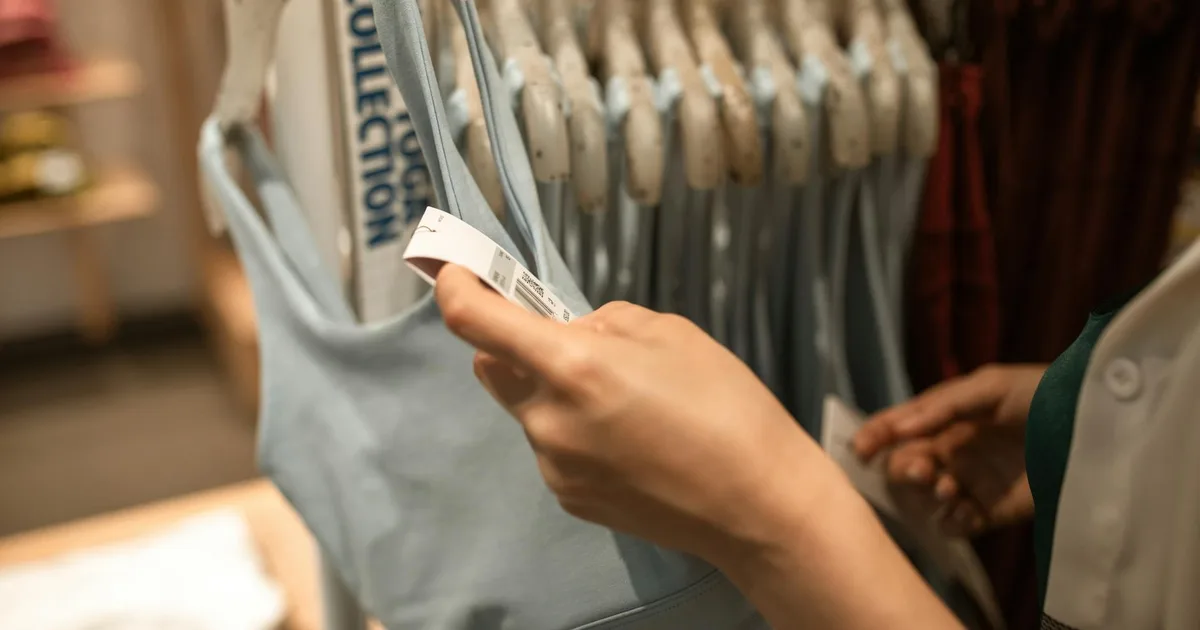
Clothing and soft goods are easier in some ways but tricky in others. Check seams along stress points: underarms, waistbands, pockets. Look for pulls, snags, or discoloration that could be a stain versus a dye inconsistency. Hold fabric up to light to catch thin spots or small tears that aren't obvious flat on a table.
One practical move: bring a small flashlight or just use your phone's flashlight. Bin store lighting is not always great, and a lot of stores are warehouse-style spaces with high ceilings and uneven illumination. A phone flashlight costs you nothing extra and makes a real difference.
Building a Quick Mental Checklist at the Bin
Experienced bin shoppers tend to develop a personal inspection routine without even realizing it. They're not overthinking it; they've just done it enough times that certain checks become automatic.
You can get there faster by deciding in advance what you actually need from a given item. If you're buying a kitchen appliance to use, it needs to work. If you're buying a decorative item, cosmetic condition matters more than function. If you're buying something to resell, you need both. Knowing your threshold before you pick something up stops you from talking yourself into a bad buy.
With over 1,260 verified bin store listings on Bin Store Pal, and an average rating of 4.2 stars across those locations, there's a wide range of store quality and inventory type to account for. Some stores specialize in electronics and get better at sorting those items. Others run mostly housewares or apparel pallets. Knowing what a specific store tends to carry helps you know which parts of your inspection routine to prioritize that day.
Check the bins near the bottom and sides of the pile, not just the top. Staff restocking from a new pallet sometimes layer items without sorting, so better condition pieces can end up buried. It takes an extra minute to dig. Usually worth it.
When to Put Something Back
This part is harder for people than it sounds. You've found something you like, the price is low, and you're already half-committed in your head. Putting it back feels like losing something.
It's not. Paying for something broken is the loss.
A useful rule: if you need to convince yourself the damage is minor or probably won't matter, put it back. That internal negotiation is almost always a warning sign, not a green light. Items that are genuinely fine don't require you to talk yourself into them.
Wait, that's not quite right as a blanket statement. Some cosmetic flaws really are minor and don't affect function at all. A small scuff on the bottom of a pot, for example, is meaningless. The distinction is whether the flaw affects what you actually need the item to do. If it does, walk away. If it doesn't, and the price reflects it, that can still be a solid buy.
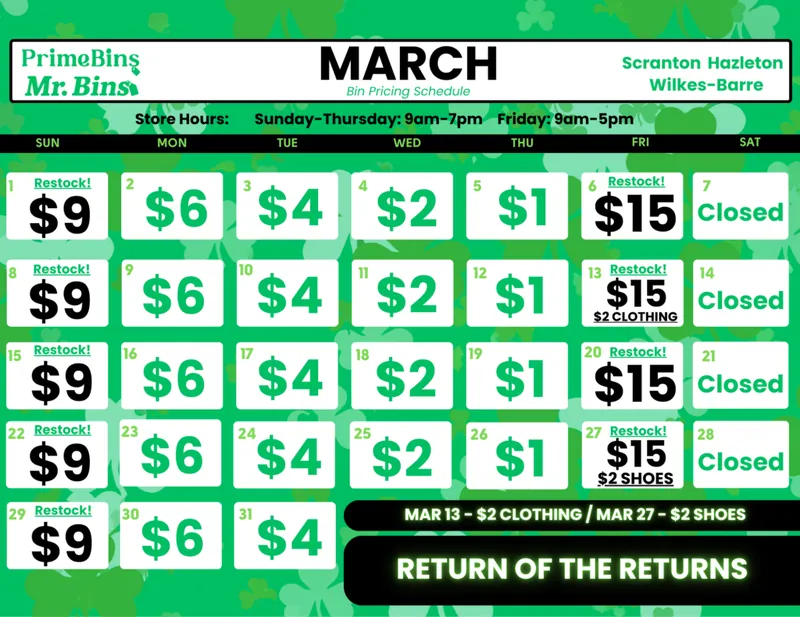
Bin stores reward patience. Coming back on restock days, taking time to dig through the bins properly, and being willing to leave without buying anything on a slow visit are all habits that lead to better finds over time. The people who score the best deals at these places are not the ones who grab fast; they're the ones who check carefully and pass on anything that doesn't hold up.
And the inspection habit pays off in a very specific way: you stop dreading the drive home. You know what you bought