Before You Buy That Bin, Read the Return Policy First
Over 1,260 verified bin stores are listed on Bin Store Pal, and one thing separates the great ones from the frustrating ones faster than anything else: what happens when you get home and realize the item doesn't work. Return policies. They sound boring. They're actually the difference between a good experience and a complete waste of an afternoon.
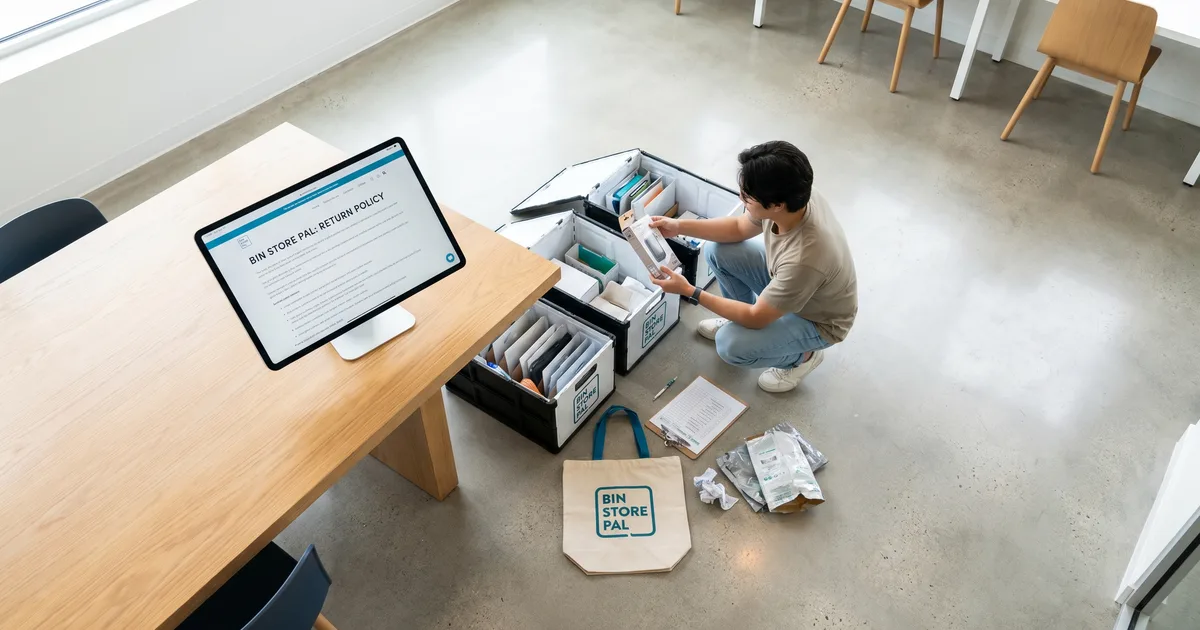
Bin stores operate differently from regular retail. You're buying liquidation merchandise, overstock, shelf pulls, and customer returns, often in bulk or at deeply discounted prices. That context matters a lot when you're trying to figure out what "fair return policy" actually means in this setting.
What a Clear Return Policy Actually Looks Like
Clarity is the first thing to look for. A store that posts its policy at the register, on a sign near the entrance, or on its website before you even walk in is already doing something right. Honestly, if you have to ask three employees before anyone can tell you the return window, that's a sign worth paying attention to.
A clear policy answers four basic questions: Can you return items? How long do you have? Do you need a receipt? And will you get cash back, store credit, or an exchange? Some bin stores offer a 7-day window on electronics. Others do all sales final. Both can be fair, as long as you know upfront.
Check for posted signage before you start filling your cart. That two-minute step saves a lot of grief later.
One more thing on clarity: watch out for vague language like "returns at manager's discretion." That's not a policy. That's a coin flip. A good bin store gives you a real answer, not a maybe.
Why "Fair" Means Something Specific in Bin Stores
Fair does not mean the same thing here as it does at a big-box retailer. You cannot expect a 90-day return window on a $3 item you pulled from a bin. That would be unreasonable in the other direction. What's fair is proportional to the type of merchandise and the price you paid.
For electronics and items with claimed functionality, a short but real return window is fair. Three to seven days is common and reasonable. For general merchandise, clothing, or home goods, a store that allows exchanges within a few days is being fair. All-sales-final policies are also acceptable, but only when the store tells you clearly before you buy, not after.
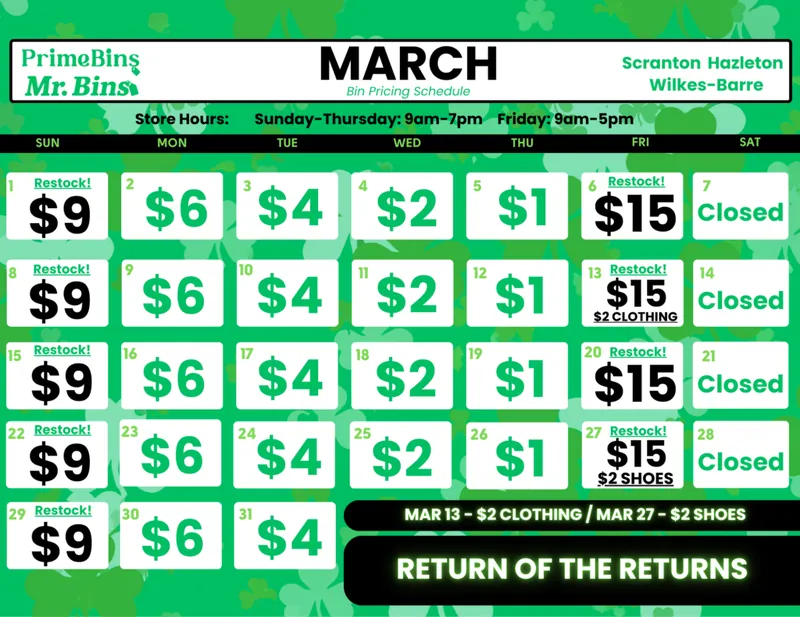
Here's where it gets interesting: some bin stores actually have tiered policies depending on the day of the week. Items bought on "dollar day" at the end of a pricing cycle might be all-sales-final, while items bought earlier in the week at higher prices carry a short return window. That's a smart, fair system. Not every store does this, but the ones that do usually explain it clearly.
A store that applies its policy consistently is worth returning to. One that makes exceptions based on mood or who's working is not.
Red Flags and Green Flags to Watch For
Some things tell you a lot about how a store handles returns before you ever need to make one.
Green flags: a written policy posted in the store, staff who can explain the policy without hesitation, and a process for handling defective items separately from general returns. That last one matters more than people realize. A broken item and a changed-mind item are different situations, and a good store treats them differently.
Red flags are pretty easy to spot once you know what to look for. No posted policy anywhere. Employees who give different answers to the same question. A "no returns, no exceptions" rule that also somehow includes electronics. And, weirdly, stores that have a very detailed return policy framed on the wall but never actually honor it when you try to use it. I would take a store with a simple honest policy over one with an elaborate written policy they ignore every single time.
One small but telling detail: stores that provide receipts or at least some kind of transaction record are making it possible for you to actually use their return policy. No receipt means no return in most cases. If a store doesn't give you one, ask for it.
How to Protect Yourself Before You Check Out
Take a photo of any posted return policy before you shop. Sounds overly cautious. It's not. Policies change, signage gets moved, and memories get fuzzy. A quick photo takes five seconds and gives you something concrete if there's ever a dispute.
For anything over about $20, ask a staff member directly: "What's your return policy on this?" Listen to how they answer. Confidence and consistency are good signs. Uncertainty or "it depends" without further explanation is not.
Test electronics in the store if you can. Many bin stores expect this and will have a testing station or at least an outlet available. A store that encourages you to test before buying is one that's comfortable with its merchandise and its policy. And if you're grabbing something without a way to test it, factor that into how much you're willing to spend on it.
And keep your receipts. All of them. Even for cheap stuff.
Frequently Asked Questions
- Do bin stores have to offer returns? No legal requirement forces them to, but Bin Store Pal's quality standard requires that listed stores have a clear and fair policy in place. "No returns" is acceptable if it's stated clearly upfront.
- What if an item I bought is broken or defective? This is different from a standard return. Many stores that otherwise do all-sales-final will still make accommodations for items that are genuinely defective. Ask specifically about defective merchandise when you're checking the policy.
- Can I get a cash refund at a bin store? Sometimes, but store credit or exchange is more common. It varies by store. Ask before you buy if this matters to you.
- What should I do if a store refuses to honor its posted policy? Start by asking calmly to speak with a manager and referencing the posted policy directly. If the issue isn't resolved, leaving an honest review on the store's Bin Store Pal listing helps other buyers know what to expect.
- Is it worth buying electronics at a bin store given the return limitations? Yes, but go in with realistic expectations. Test what you can in the store, know the return window, and don't spend more than you're comfortable losing if the item doesn't work at home.
Bin stores offer real value. Finding a good one that also