5 Reasons a Store Locator Map Actually Changes How You Shop for Bin Deals

You've done it. You searched "bin store near me" on your phone, got a handful of vague results, drove to an address that turned out to be a closed parking lot, and went home empty-handed. It's a waste of gas, a waste of time, and honestly kind of demoralizing when you just wanted to score a good deal on Amazon return merchandise. Finding bin stores and Amazon return shops shouldn't feel like a scavenger hunt with bad clues.
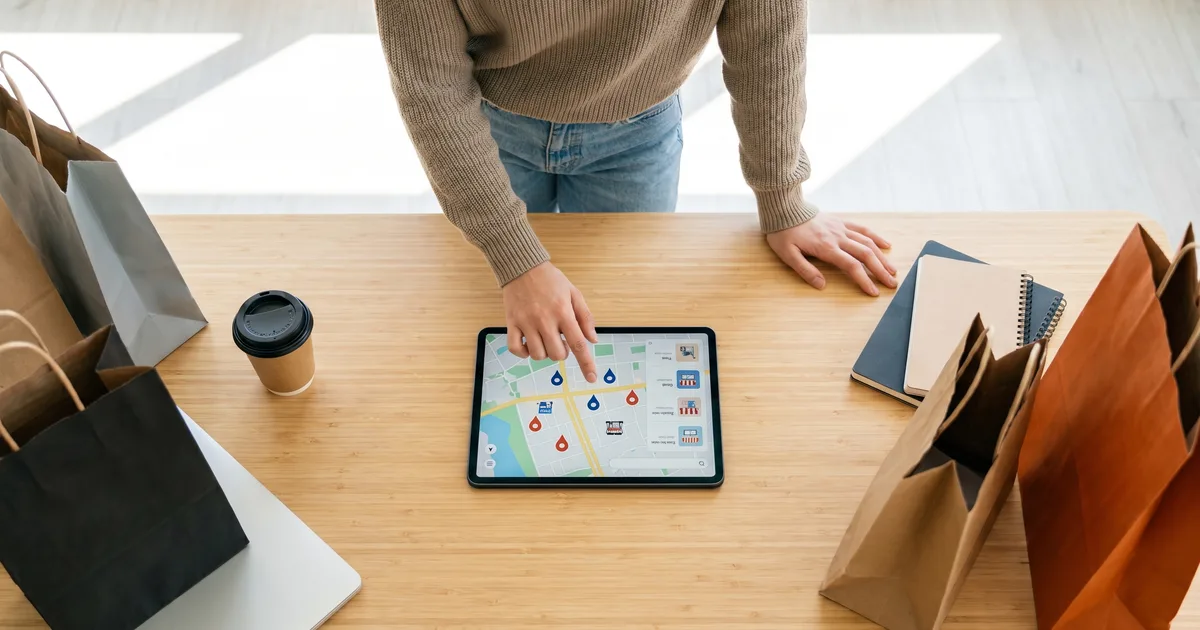
That's exactly why the map feature on Bin Store Pal exists. Here are five real reasons it matters, and what you can actually do with it.
1. You Stop Wasting Trips on Stores That Don't Exist Anymore
Bin stores open and close faster than most retail formats. A location that was buzzing six months ago might be shuttered today. Google Maps doesn't always catch up in time, and random forum posts about "great bin stores in [city]" can be years old.
Bin Store Pal maintains over 1,260 verified listings. That word "verified" matters more than it sounds. These aren't just scraped addresses from a database somewhere. They're checked. So when you pull up the map and see a pin near you, there's a real store behind it.
Worth noting: always check the listing's last-updated date before you drive 45 minutes. Even verified directories can lag a little behind reality. But you'll be right far more often than you would be relying on a general search engine.
2. You Can Find Stores You Didn't Know Were Close to You
Most people only know about bin stores they've physically driven past. That's a pretty limited sample size. A lot of these shops are tucked into strip malls, industrial areas, or secondary roads that you'd never stumble on by accident.
Pull up the map and zoom out a bit from your usual radius. You might find an Amazon return shop 12 miles away in a direction you never drive, sitting inside an old hardware store building with no signage visible from the main road. Genuinely, that kind of place is often the best find because the crowds are smaller and the bins are fuller.
I would pick a slightly farther store with great reviews over a convenient one with a 2-star average any day. And with an average rating of 4.2 stars across listings on Bin Store Pal, you can filter and compare before you commit to the drive.
3. You Can Plan a Multi-Stop Run Without Guessing
Experienced bin store regulars don't just visit one location. They run a circuit.
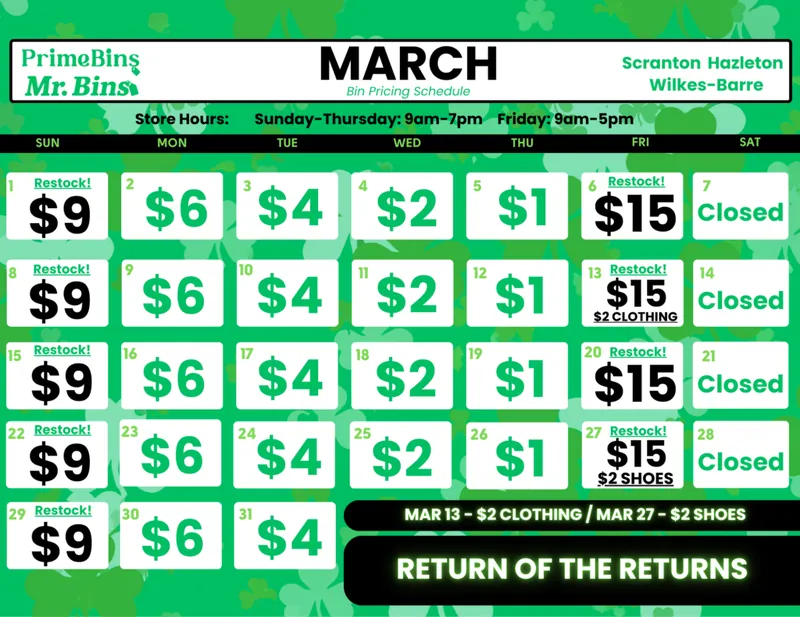
Different stores restock on different days, carry different product categories, and price their bins differently. One shop might go heavy on electronics returns. Another is almost always loaded with household goods and apparel. Knowing where multiple stores cluster together on a map means you can plan a Saturday morning route that covers three locations in a logical order instead of crisscrossing town randomly.
Use the map to identify two or three stores within a reasonable driving loop. Check their individual listings for restock day information if it's listed. Then map your stops from farthest to closest on the way home, so you're not backtracking with a trunk full of bins already loaded. Small logistics win, but it adds up over a month of trips.
Parking at these places, by the way, is almost always a chaotic free-for-all. That's just part of the experience. Plan for it.
4. Reviews Tell You What the Address Can't
An address on a map tells you where a store is. A rating and review tells you whether it's worth going. Those are two very different things, and the map on Bin Store Pal connects both.
A 4-star listing might have reviews mentioning that the staff are friendly and bins get refreshed every Tuesday. A 2-star listing might have three reviews in a row complaining that prices went up sharply after a change in ownership. That's information you cannot get from a pin on a generic map.
Before your first visit to any bin store or Amazon return shop you haven't been to before, read at least the three most recent reviews. Not the overall rating alone. The recent ones. Stores change. A place that was excellent a year ago might have slid, and a newer location might have quietly become the best spot in your area. Recent reviews are the ground truth.
5. It's the Fastest Way to Get Started If You're New to Bin Stores
First-timers often don't even know what to search for. "Amazon return store," "liquidation bin," "bin store," "pallet store", these places go by a dozen different names depending on who's running them and where they're located. Trying to search for all those variations manually is genuinely confusing.
A map that already has these stores plotted removes that whole problem. You're not searching for the right keyword. You're just looking at what's near you. That's a much easier starting point, especially if you've heard about bin stores from a friend and want to try it without a lot of research overhead.
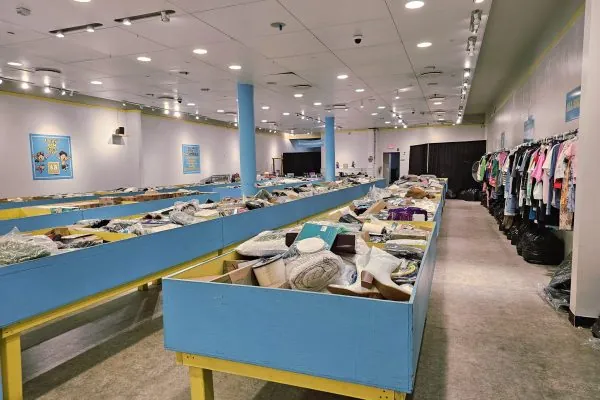
One more thing: your first visit to a bin store will probably feel a little chaotic. Bins everywhere, people digging through piles, no clear organization. That's normal. Go in without a specific product in mind and just see what's there. Once you've been a few times, you'll develop a sense for which stores carry what, and the map becomes a tool you use with real intent rather than curiosity.
Ready to see what's near you? Open the Bin Store Pal map, drop your location, and start exploring verified listings in your area. Your next good find is probably closer than you think.