You Don't Know What You're Getting — That's the Whole Point
Ever walked into a store with no idea what would be on the shelves that day? That's the core experience at a mystery bin shop, and for a lot of people, that unpredictability is exactly why they keep coming back.
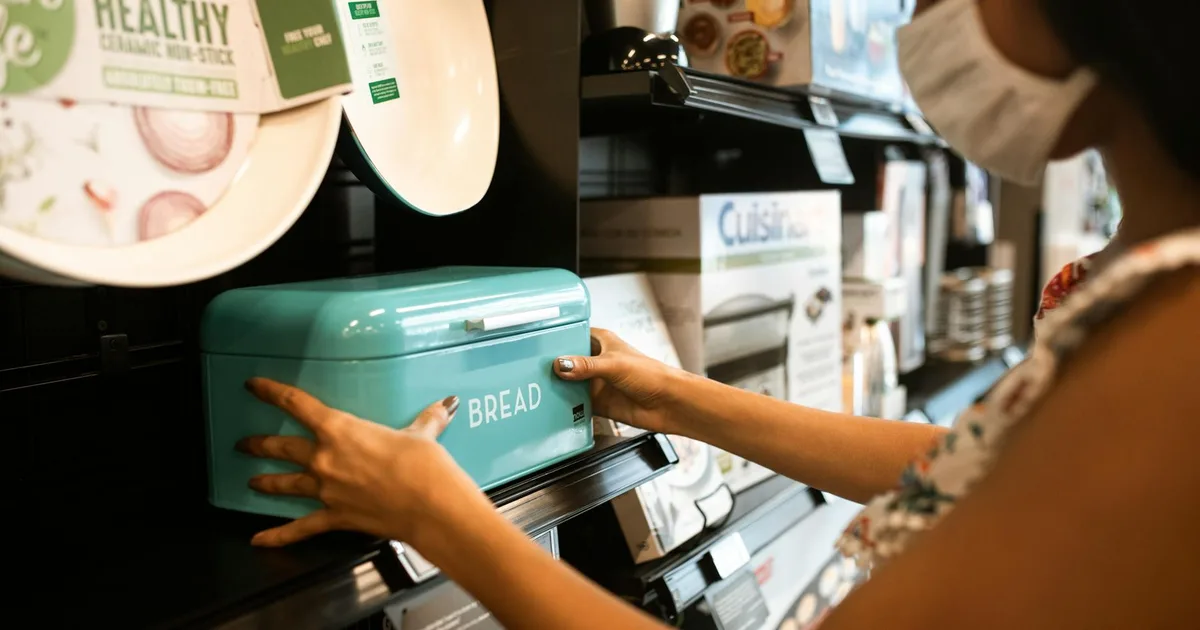
Mystery bin shops are a specific type of resale store built around liquidated, overstock, and returned merchandise that gets sorted into bins and sold by the pound or at flat-rate prices per item. They're not thrift stores. They're not dollar stores. And they're definitely not your typical discount retailer. They sit in their own category, and once you understand how they work, you'll see why so many people have made them a regular stop.
What Actually Happens Inside One of These Places
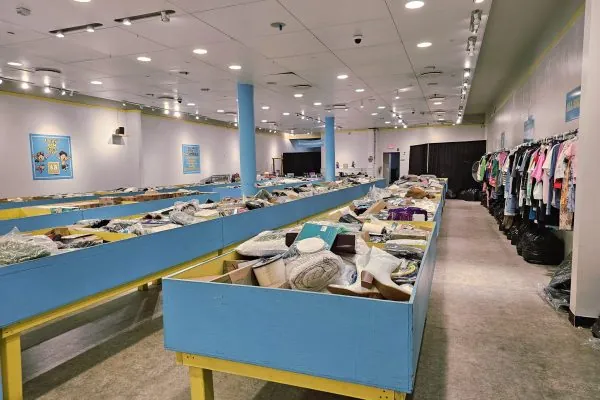
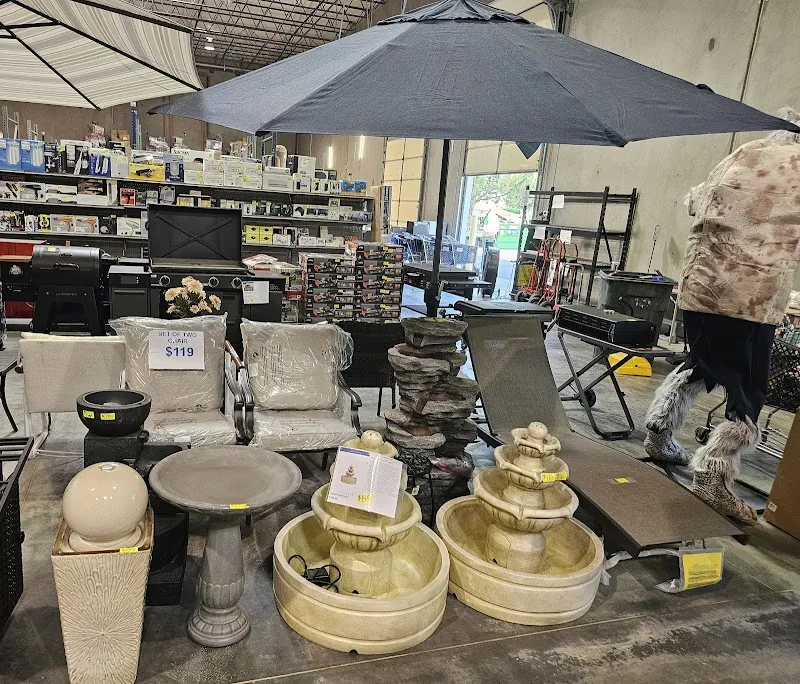
Walking into a mystery bin shop for the first time can feel a little chaotic. Bins are usually arranged in rows across the sales floor, and inside those bins you'll find a genuinely random mix of products: electronics, toys, kitchenware, clothing, tools, beauty products, small appliances. Sometimes all of that in the same bin.
That randomness is not an accident. It reflects how the inventory arrives.
Most mystery bin shops source their product from Amazon returns, major retailer liquidation pallets, and warehouse overstock. These pallets come as-is, meaning the shop owner doesn't always know exactly what's inside until they start sorting. Some items are brand new and sealed. Others are open-box returns that may or may not work. A few will be damaged. You get all of it mixed together, which is why pricing is almost always flat-rate rather than item-by-item. Charging $2 or $5 per item regardless of what it is keeps things simple and accounts for the fact that some finds are worth $40 and some are worth nothing.
Okay, here's something most first-timers don't realize: the best time to show up is right after a restock, not at the end of the day when bins have been picked over for hours.
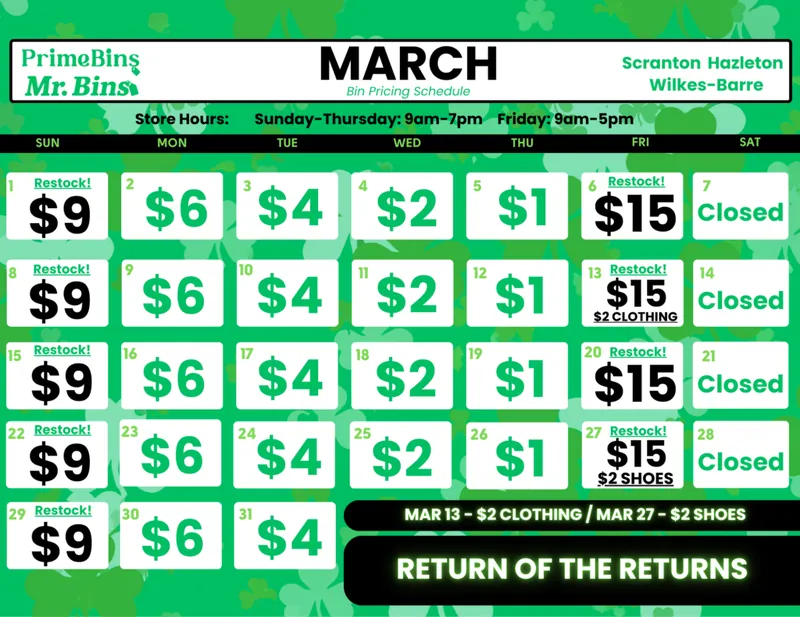
Many shops restock on a set schedule, sometimes daily, sometimes a few times per week. A lot of regular visitors plan their trips around those restock windows. If you find a mystery bin shop you like, it's worth asking the staff when new bins go out. Most will just tell you straight up.
How Mystery Bin Shops Differ From Thrift Stores and Liquidators
Thrift stores price everything individually. Staff sort donations, assess each item, and tag it with a price that reflects what they think it's worth. That process takes time, and the prices reflect a certain amount of curation. Mystery bin shops skip all of that. Flat-rate pricing means no one is standing there deciding whether your find is a $3 item or a $15 item. You pay the same price as everyone else, regardless of what you pulled out of that bin.
Liquidation stores, on the other hand, often sell by the pallet rather than by the individual item. They're geared more toward resellers who want to buy in bulk and flip product. Mystery bin shops land somewhere between that model and traditional retail: you're shopping individually, item by item, but the inventory still comes from that same liquidation pipeline.
And here's a practical difference that matters a lot in person: thrift stores tend to be quieter and more organized. Mystery bin shops can be loud, crowded on restock days, and physically demanding. You're bending over bins, moving things around, lifting items to check condition. Wear comfortable shoes. Seriously.
Bin Store Pal's directory includes 1,260+ verified mystery bin shop listings across the country, which gives you a pretty good sense of how much this type of store has grown. These aren't fringe operations anymore. They're established local businesses with regular customer bases and, based on the average rating of 4.2 stars across listings, most people leave satisfied even when they don't find anything spectacular.
What to Expect on Your First Visit
Prices vary by shop, but a common structure is tiered flat pricing that drops as the week goes on. Day one of a new pallet cycle might be $7 per item. By day four, the same bins might be $1 or $2 per item. That end-of-week pricing is great if you don't mind picking through what's left. Early-week visits give you first shot at fresh inventory but at higher prices.
Condition is always variable. Not a bug, a feature.
Go in expecting that maybe 20 to 30 percent of what you pick up won't be worth buying. Some items will have missing parts, cracked packaging, or obvious damage. That's part of the model. Experienced visitors develop a quick mental checklist: check for completeness on anything electronic, look for cracks or missing components, and don't buy something just because the brand name looks impressive. A cracked Instant Pot lid isn't useful at any price.
Most mystery bin shops do not accept returns. You buy it, you own it. That policy makes sense given the pricing structure, but it does mean you need to inspect items in the store before you commit. Take an extra few seconds with anything that has moving parts or needs to power on.
One last thing worth saying plainly: mystery bin shops reward curiosity and patience more than any other type of resale store. Going in with a specific shopping list usually ends in frustration. Going in open to whatever the bins have that day, that's when you find something genuinely good.
Finding One Worth Your Time
Not all mystery bin shops operate the same way. Some are well-organized, with clear signage about pricing tiers and restock schedules. Others are more ad hoc, with pricing that changes based on what the owner feels like charging that day. A little research before your first visit saves a lot of confusion.
Check reviews specifically for mentions of restock frequency and pricing clarity. Those two factors matter more than almost anything else for a good experience. A shop with slightly lower ratings but consistent restock days will often beat a higher-rated shop that restocks unpredictably.
Also, pay attention to parking. A lot of these stores are in strip malls or light industrial areas, and on restock days, the lot fills up fast. I've pulled into a parking spot, looked at the line forming outside the door, and decided to come back in an hour. Worth it, usually. But plan for it.
Mystery bin shops aren't for everyone, and they're definitely not a replacement for a regular shopping trip when you need something specific. But as a way to find unexpected things at genuinely low prices, they're hard to beat. Browse the listings, read a few reviews, and find one near