What Are Bin Stores? A Shopper's Guide to This Store Type at Bin Store Pal
Over 1,260 bin stores are listed on Bin Store Pal right now, and they average a 4.2-star rating across thousands of customer reviews. That's not a small niche. That's a real shopping category that a lot of people are quietly obsessed with, and for good reason.
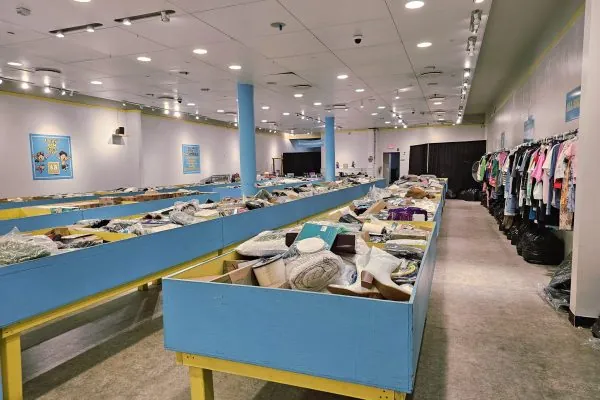
So what exactly is a bin store? Good question. These are retail shops that buy overstock, returned, and liquidated merchandise from major retailers like Amazon, Walmart, and Target, then dump it all into large bins on the sales floor. Shoppers dig through the bins to find whatever's in there. Prices are low. Sometimes shockingly low.
Walking into one for the first time, you might think it looks chaotic. It kind of is. But that's also the whole point.
How Bin Stores Actually Work
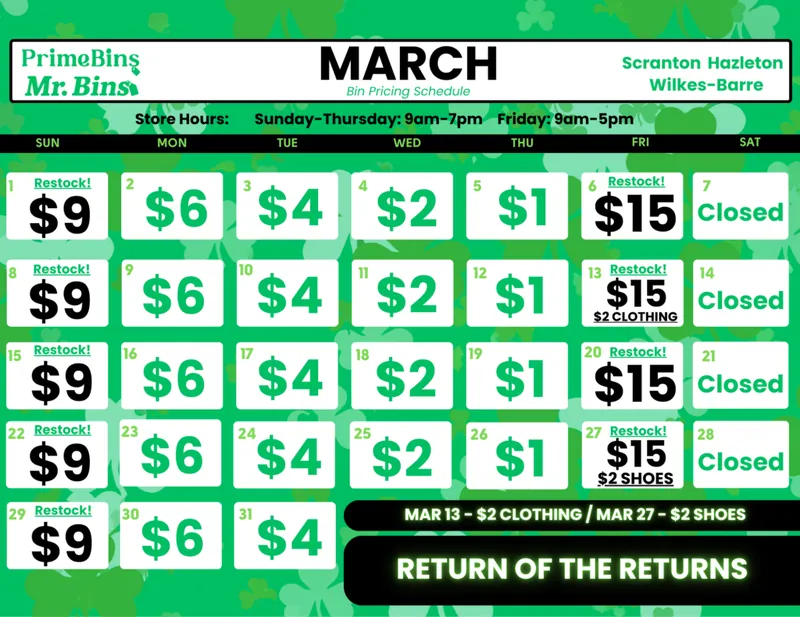
Bin stores run on a rotating price model. Most of them drop new merchandise on a set day each week, usually Monday or Tuesday, and prices start high on that first day, sometimes $8 to $10 per item. Each day after that, prices drop. By the final day before the next drop, you might pay $1 or even less per item.
This pricing system changes everything about how you shop. Going on day one means better selection but higher prices. Waiting until day four or five means you're picking through what's left, but you could fill a bag for almost nothing. Neither strategy is wrong. It just depends on what you're after.
Most bin stores get their inventory from pallet liquidators. A retailer like Amazon ends up with millions of returned items every year, and rather than restocking each one, they bundle them onto pallets and sell them in bulk to liquidation companies. Bin stores buy those pallets, sort through them (sometimes), and put the contents out on the floor. You never really know what's coming.
And honestly, that unpredictability is a huge part of the appeal.
Actionable tip: Ask the store when their restock day is before you visit. Most bin store staff will tell you without hesitation, and timing your trip around it can make a real difference in what you find.
Actionable tip: Bring a reusable bag or small tote. Many bin stores charge for bags or don't carry them at all, and you'll want your hands free while digging.
What You Can Actually Find (and What to Expect)
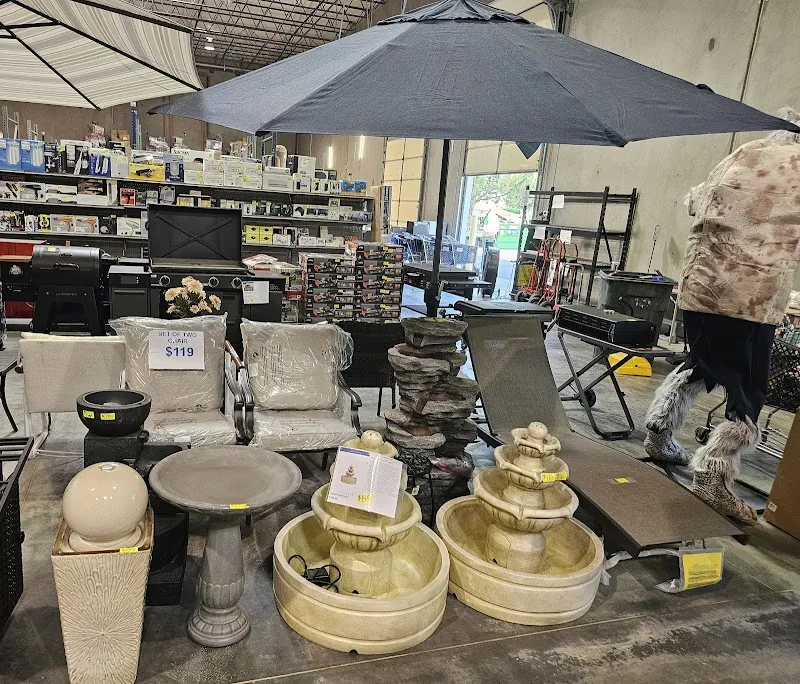
Bin stores carry almost anything. Electronics, kitchen gadgets, toys, clothing, pet supplies, beauty products, books, tools. One visit you might find a $200 Instant Pot for $6. Another visit, it's mostly phone cases and mismatched socks. That variability is real, and you should go in expecting it.
Some items are returns that were opened but never used. Others might have damaged packaging. A few things won't work at all. Bin stores are generally sold as-is, no returns, so you take that risk when you walk in.
Wait, that's not quite right to call it just a "risk." For a lot of shoppers, it's more like a calculated gamble with pretty good odds. A 4.2-star average across 1,260+ listings on Bin Store Pal suggests most people are walking out happy.
Clothing bins can be hit or miss. Some stores mix in name brands like Nike or Levi's with generic stuff, all at the same flat price. If you're patient and don't mind digging, you can put together a solid wardrobe for almost nothing. Electronics are trickier since you can't always test them on the spot.
Actionable tip: Focus on items that are easy to evaluate visually. Kitchenware, books, toys, and small appliances you can inspect quickly are safer bets than anything with a screen or battery.
How to Find a Good Bin Store Near You
Bin stores don't advertise much. A lot of them are small, independent operations run out of strip malls or warehouse spaces. You've probably driven past one without knowing it. Finding them usually requires a bit of searching, which is exactly why a directory like Bin Store Pal exists.
With 1,260+ verified listings and real customer ratings, Bin Store Pal makes it easy to find bin stores sorted by location, hours, and review scores. You can see which stores restock on which days, what kinds of inventory they tend to carry, and what other shoppers actually thought of the experience. That's genuinely useful information that Google alone won't give you.
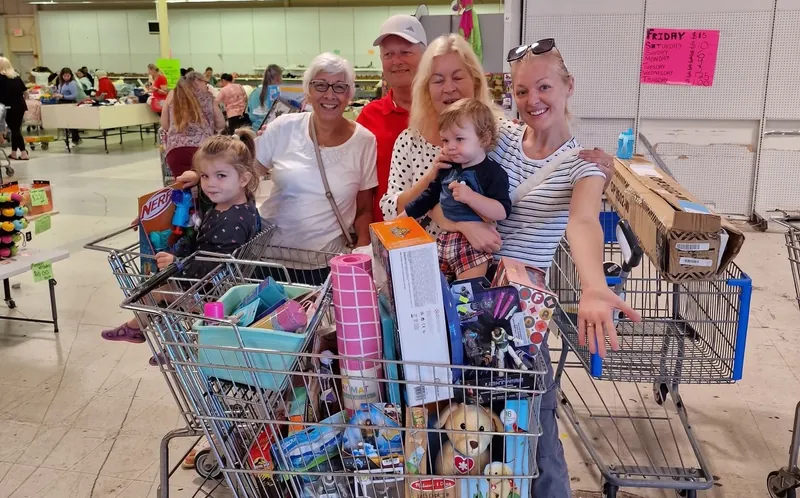
One thing worth knowing: parking lots at bin stores tend to be busier than you'd expect. On restock days especially, some locations get lines before they even open. A 4.2-star average doesn't happen by accident. These stores earn it by offering real value, and shoppers notice.
Going to a bin store with no plan is fine for casual browsing. But if you're serious about finding deals, read a few reviews before you go. Listings on Bin Store Pal often mention specific inventory strengths, like one store that's known for electronics and another that always has kids' clothes. That kind of detail saves you time.
Actionable tip: Filter by rating on Bin Store Pal and start with stores rated 4 stars or higher. Those tend to have better organization, cleaner bins, and more consistent inventory quality.
Actionable tip: Check the store's social media before visiting. Many bin stores post photos of their latest pallet drops on Instagram or Facebook, giving you a preview of what's in stock.
Is a Bin Store Worth Your Time?
Bin stores work best for shoppers who are flexible about what they need and patient enough to dig. If you go in looking for one specific item, you'll probably leave disappointed. If you go in open to whatever's there, you'll almost always find something worth buying.
Resellers love these places. People who flip items on eBay or Facebook Marketplace often shop bin stores regularly, buying anything they can resell for a profit. But you don't need a resale business to get value here. Everyday shoppers find cleaning supplies, holiday decor