Setting Up Your Home After Shopping at a Liquidation Store
You pull into your driveway with the back seat stuffed. There's a box of random kitchenware, something that might be a shelf, a bag of bedding, and three things you grabbed because the price was just too good to pass up. Now what?

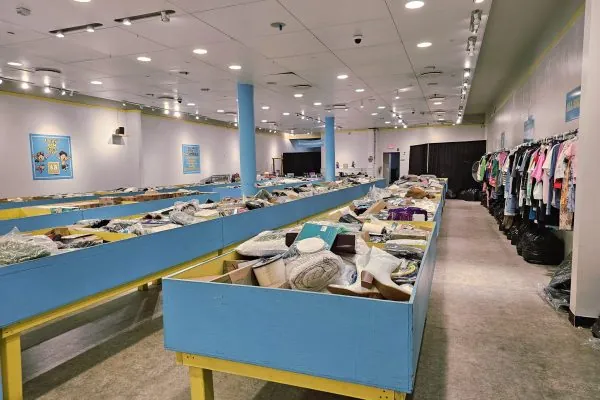
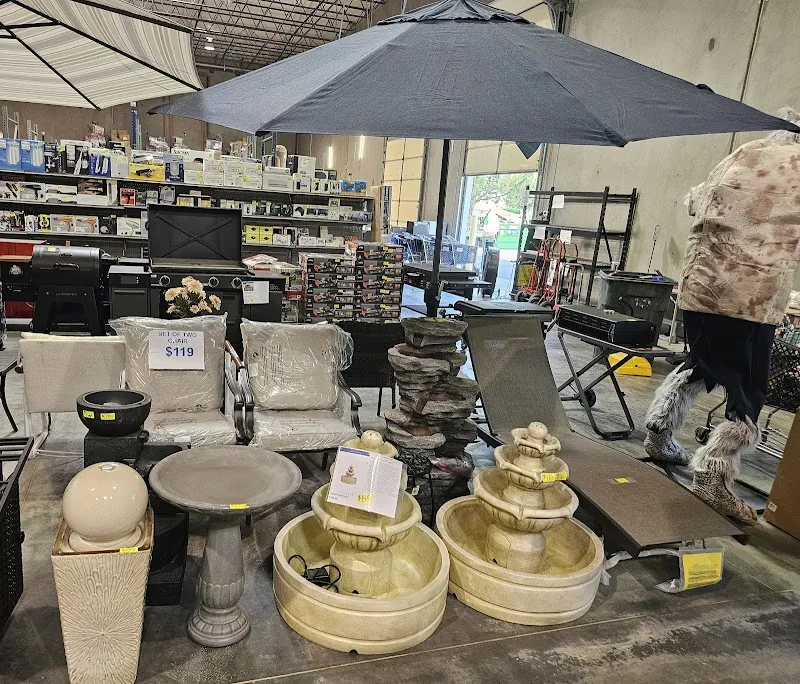
Liquidation stores go by a lot of names. You might know them as a bin store, a bargain bin, a bin shop, an overstock store, or an Amazon return store. Some people search for a return pallet store, a pallet liquidation outlet, or a bin outlet warehouse. Whatever you call them, the appeal is the same: brand-name and retail-quality products at a fraction of their original price. Furniture, cookware, bedding, electronics, décor, it all shows up in the bins. Bin Store Pal tracks 1,260 of these businesses across the country, with an average customer rating of 4.2 stars, which tells you this isn't some fringe shopping trend. It's a real, trusted retail category that millions of people use to furnish and stock their homes.
This article walks you through everything that happens after you leave the store: sorting, inspecting, setting up each room, organizing your haul, and planning smarter trips in the future. Think of it as the instruction manual that no bin store gives you at checkout.
1. Sort and Inspect Everything Before You Put Anything Away
Most people make the same mistake. They carry bags in from the car and start shoving things into cabinets or closets before they've even looked at half of what they bought. A week later they find a broken lamp in the hallway and can't remember where it came from or whether they actually needed it.
Do the sort first. Pick one clear space, the living room floor, a dining table, the garage, and lay everything out by category. Kitchen stuff in one pile, bedding and bath in another, electronics separate, décor to the side. This takes maybe twenty minutes and saves hours of confusion later. Liquidation hauls are unpredictable by nature; you might grab a box that turns out to have both a cutting board and a USB hub in it. Sorting puts you back in control of what you actually have.
Inspection is where it gets important. Check every item for visible damage: cracks, missing hardware, torn packaging, signs that something was returned after heavy use. Missing parts are common with bin store finds because products often come from customer returns. A blender missing its lid is basically useless unless you want a ceiling full of smoothie. Write down what's broken or incomplete rather than just tossing things back in a pile, you'll want that list when you decide what to repair, repurpose, or resell.
Electronics and mechanical items need their own step entirely. Plug them in. Turn them on. Run them through a basic function test before you commit them to a permanent spot in your home. A toaster that trips your breaker every time isn't a deal. It doesn't have to be a long test, just enough to confirm it actually works the way it should. If something fails inspection and can't be fixed cheaply, it's worth reselling on Facebook Marketplace or OfferUp. You can often recover 60 to 80 percent of what you paid at a bin store, which is still a decent return on a $3 item.

Before testing any appliance from a liquidation store or bin outlet, check the voltage rating on the label. Some returned items come from international shipments and may be wired for 220V instead of the standard US 110V. Plugging one of those in without an adapter is a fast way to ruin both the appliance and your day.
2. Set Up Rooms in Order of Daily Necessity
Not all rooms are equal. You need a working kitchen and a functional bedroom on day one. You do not need a perfectly styled living room on day one. Prioritizing by necessity sounds obvious, but people routinely ignore it because decorative items are more fun to arrange than, say, figuring out where the dish rack goes.
Start with the kitchen. Overstock stores and bin outlets frequently have excellent cookware, utensil sets, food storage containers, and small appliances. Grab what works from your sorted pile and set up the basics first: a pot or two, a pan, something to eat off of, something to drink from. If you scored a coffee maker or an air fryer at the bin store, test it (see section 1) and then find its permanent spot on the counter. Don't leave it in the box on the floor while you go arrange decorative pillows in the bedroom.
Bedroom comes second. Bedding from a bin outlet can be genuinely great; a lot of it is overstock from name brands, never used, just in discontinued colorways or slightly damaged packaging. Check for any stains or tears, wash what you can, and get your bed actually set up with a fitted sheet, a blanket, and a pillow situation that works. Sleeping on the floor next to a pile of liquidation finds is a choice, but probably not the one you were going for.
Bathrooms are usually fast. Most bin store hauls that include bathroom items, towels, soap dispensers, shower caddies, storage organizers, are easy to integrate. They don't need assembly. They just need a home. Spend fifteen minutes on the bathroom and move on.
Living rooms and decorative spaces come last. This is where your patience pays off. By the time you get here, you have a clearer picture of what you actually have versus what you still need. Mixing liquidation finds with existing furniture works best when you lead with color and texture rather than brand or style matching. A solid-color throw pillow from a return pallet store can tie together a couch you've had for years. A framed print from the bin outlet can look intentional on a gallery wall if it's the right size and tone. You're not going for a showroom. You're going for a home that works.
3. Build a Storage System That Actually Holds Up
Here's a problem nobody warns you about: you buy a lot of stuff at once, and suddenly your house is full of things without a system for any of it.
Bin stores and bin warehouses regularly stock storage containers, shelving units, drawer organizers, and plastic bins. If you found any of these on your trip, use them. Seriously, storage products are among the highest-value finds at a liquidation store because they solve problems you didn't know you'd have. A set of matching storage bins that retails for $40 might cost you $5 at a bin outlet. Buy more than you think you need, because you probably bought more stuff than you think you have.
Labeling matters more than people expect. When you're stocking your home with assorted, non-branded, or irregular goods from a pallet liquidation run, it's easy to lose track of what's where. Label storage bins by category, not by brand. "Kitchen Extras," "Bathroom Backup," "Hardware and Cables", these labels stay accurate even when the specific products inside change. A label maker is a worthwhile investment. If you didn't find one at the bin store, they're cheap on clearance almost everywhere.
Overstock is a real issue. You bought three shower caddies because they were $2 each. You only need one. What happens to the other two? Store them in a clearly labeled bin in a closet or garage with a sticky note that says when you got them. Set a six-month rule: if you haven't used it in six months, resell or donate it. Holding on to surplus "just in case" is how garages turn into storage nightmares. Reselling extras from your bin store haul on local buy-and-sell apps is genuinely easy and usually profitable.
If you bought shelving units from a bin outlet or overstock store, assemble them in a storage room or closet before filling them. It's much easier to adjust shelf height and configuration when they're empty. Once they're loaded, you won't move them again for months.
4. Know the Liquidation Store Market and Find Reputable Stores Near You
The data tells a different story than most people expect. Liquidation retail is not a sketchy, last-resort shopping category. Bin Store Pal lists 1,260 businesses across the country with an average rating of 4.2 stars. That's comparable to most mainstream retail categories. Contrary to popular belief, a well-run bin store or bin shop operates with real quality controls and serves a loyal, repeat customer base.
Top-rated stores are worth looking at specifically.
| Business Name | Location | Rating | Reviews |
|---|---|---|---|
| The Other Side Thrift Boutique | Millcreek, UT | 5.0 ★ | 5,092 |
| Deals Outlet Bin Store | Tallahassee, FL | 5.0 ★ | 1,565 |
| Deals Outlet Bin Store | Gainesville, GA | 5.0 ★ | 667 |
| Bin Fest | Deerfield Beach, FL | 5.0 ★ | 382 |
| The UPS Store | Pasadena, MD | 5.0 ★ | 172 |
The Other Side Thrift Boutique in Millcreek, Utah, has 5,092 reviews at a perfect 5.0 stars. That's not a fluke. A store doesn't accumulate over five thousand reviews without consistently delivering a good experience. Same pattern at the Deals Outlet Bin Store locations in Tallahassee and Gainesville. These are not fringe operations.
City concentration matters if you're trying to find a store without driving an hour. Las Vegas leads with 22 listings, followed by New York at 17, Phoenix at 14, Colorado Springs at 13, and Honolulu at 12. It's a bit surprising to see Colorado Springs and Honolulu that high on the list, honestly. But it reflects how spread-out demand for discount retail really is. It's not just a big-city phenomenon.
Using a directory like Bin Store Pal to find a local store beats a random Google search in a few ways. You see ratings, review counts, and location details all in one place. You can compare options in your city instead of just clicking the first result. And if you're budget-focused on food as well as household goods, it's worth knowing that salvage grocery options in your area exist through similar directory tools, pairing a bin store trip with a salvage grocery run on the same day can seriously cut your monthly spending.
5. Plan Future Trips Smarter
Most people walk into a bin store with no list and walk out with a car full of things they didn't need. This is fun. It is also how you end up with four shower curtain rings and zero shower curtains.
Before your next trip, do a room-by-room walk-through of your home with your phone's notes app open. Write down what's actually missing or broken: a missing shelf bracket, no bathroom mirror, the kitchen drawer that won't close because it's missing a divider. These are the things worth hunting for at a bin outlet or overstock store. Impulse buys are fine in small doses, but a written list anchors your shopping to real needs.
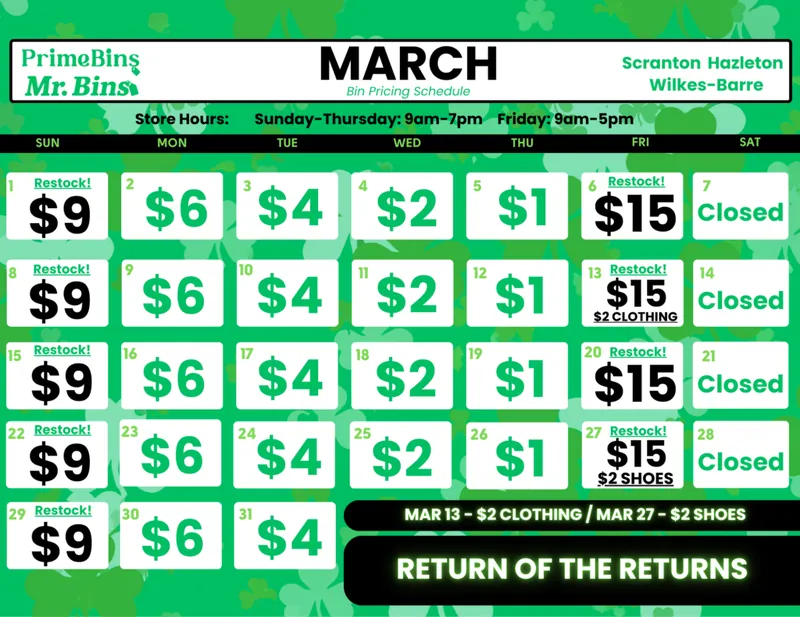
Pricing cycles are something a lot of regular shoppers know and casual shoppers miss entirely. Many bin stores run on a weekly markdown schedule. Items that arrive on Monday might be priced at $8; by Thursday or Friday they drop to $3 or $2; by Sunday some stores sell remaining items at a flat $1. If you're flexible on timing, shopping later in the week at a busy pallet liquidation or bin shop can cut your costs by 50 to 75 percent compared to shopping on restock day. Ask the staff when they restock and when prices drop. Most are happy to tell you.
Bring measurements. This cannot be overstated. A shelf that's two inches too wide for your hallway closet is not a deal; it's a problem. Keep a note on your phone with the dimensions of spaces you're trying to fill: the width of your pantry shelves, the length of your bathroom wall, the height clearance under your bed. Furniture and shelving units show up at bin stores more often than you'd think. But they're only useful if they actually fit your space.
And if you're building out a whole home on a budget, combining liquidation shopping with other discount sources makes a real difference. Pairing bin store trips with visits to discount grocery retailers is one of the more practical ways to keep total household costs low across both goods and food. The savings stack.
Bring a small tape measure, a phone charger cable to test electronics on the spot, and a reusable bag that's bigger than you think you'll need. Every experienced bin store shopper has a version of this kit. It takes up almost no space and saves a lot of second-guessing at the bins.
6. Blend Your Finds Into a Home That Looks Intentional
This is the part people worry about most and shouldn't.
Mixing bin store finds with existing furniture and décor doesn't have to look like a yard sale. In practice, the trick is consistency in two or three things: color palette, texture, and scale. If your living room is mostly neutral tones, look for liquidation items in similar neutrals or one accent color. If your kitchen has open shelving, look for storage containers that are roughly the same material or finish, even if they're different brands entirely. Cohesion comes from those repeated elements, not from everything matching perfectly.
Odd items that don't fit anywhere have a second life as functional storage. A decorative basket from the bin outlet becomes a blanket holder. A random wooden crate becomes a side table. A set of mismatched mugs becomes the mug shelf in the kitchen that somehow looks more interesting than a matching set would. Wait, that last one might just be a personal preference. But the broader point stands: flexibility in how you use items makes a liquidation haul go further.
Start with function, then add personality. Get the practical stuff in place, then use whatever's left in your haul to add character. A good home built from a mix of bin store finds, overstock scores, and things you already owned is entirely achievable. Plenty of people have done it without spending anywhere close to what a traditional furniture or home goods store would charge.
More Ways to Save
Find Bin Store Pal Near You
Browse our directory of 1,260+ businesses across the country. Find top-rated liquidation stores, bin outlets, and overstock shops in your city, sorted by rating and location.
Search the DirectoryWhat is a liquidation store and how is it different from a thrift store?
A liquidation store sells overstock, customer returns, and shelf-pull merchandise from retailers, often including Amazon returns. Products are typically new or like-new, just in damaged packaging or discontinued lines. Thrift stores sell used, donated goods. Typically, the product condition and sourcing are quite different, though the prices can be similarly low.
Are items at bin stores safe to use in your home?
Most are, but you should inspect and test everything before use. Returned electronics should be tested before installing. Bedding and soft goods should be washed. Anything with signs of chemical damage or burn marks should be skipped. As a rule, the same inspection logic applies whether you're at a bin outlet, a pallet liquidation sale, or any discount retail shop.
How do I find a good bin store near me?
Bin Store Pal lists 1,260 businesses with ratings and location details. Top cities include Las Vegas (22 listings), New York (17), Phoenix (14), Colorado Springs (13), and Honolulu (12). Using a directory gives you rating and review data upfront rather than guessing from a basic search result.
What's the best day of the week to shop at a bin store?
It depends on the store's restock and markdown schedule. Many bin shops restock mid-week and drop prices toward the end of the week. Shopping later in the week often means lower prices on remaining stock. Ask the staff directly, most will tell you exactly when prices drop and when new pallets arrive.
Can I resell items I bought at a liquidation store?
Yes, and many people do. Platforms like Facebook Marketplace, OfferUp, and eBay work well for reselling surplus bin store finds. Even items with damaged packaging often sell for 60 to 80 percent of retail if the product itself is intact. It's a practical way to offset the cost of items you don't end up using.