Pallet Stores Explained: What You're Actually Walking Into
You pull into a parking lot, sometimes gravel, sometimes cracked asphalt with a hand-painted sign near the door, and you're not totally sure what you're about to find inside. That's the pallet store experience for a lot of first-timers. You've heard the prices are low. You've maybe seen a video online. But nobody told you what the actual setup looks like, how the merchandise works, or why it's so different from a bin store or a liquidation outlet. That confusion is worth clearing up before you go.
What a Pallet Store Actually Is
Pallet stores sell merchandise that arrives on wooden shipping pallets, usually bought in bulk from retailers, Amazon return centers, or large liquidators. A store might receive a mixed truckload on Monday and have it on the floor by Tuesday, sorted loosely by category or sometimes not sorted at all. That unpredictability is part of the deal.
Stuff shows up fast. Stuff sells fast. And the pricing reflects that.
Most pallet stores price items individually rather than by weight or by the bin. You'll see a sticker on a box, a tag zip-tied to a product, or a handwritten price on a piece of tape. Some stores price whole pallets for resellers who want to buy a full load and haul it elsewhere. Others break pallets down into individual items so regular shoppers can pick through them piece by piece.
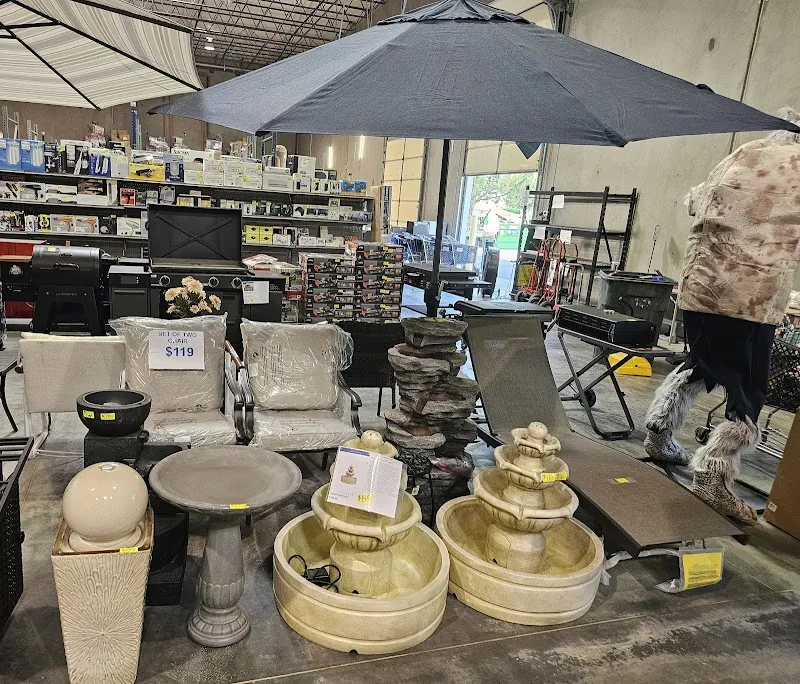
Walking into one for the first time, you might notice that products are stacked floor to ceiling in a way that looks chaotic but actually has a rough logic to it. Electronics near the back, furniture or large items off to one side, general merchandise in the middle. Not always. But often enough that you'll start to recognize the pattern after a few visits.
One thing worth knowing: pallet stores almost never test or inspect individual items before putting them on the floor. What you see is what you get, and returns are rare. Go in knowing that.
How Pallet Stores Differ From Bin Stores and Liquidation Outlets
People mix these up all the time, and honestly the lines blur sometimes. But there are real differences worth understanding.
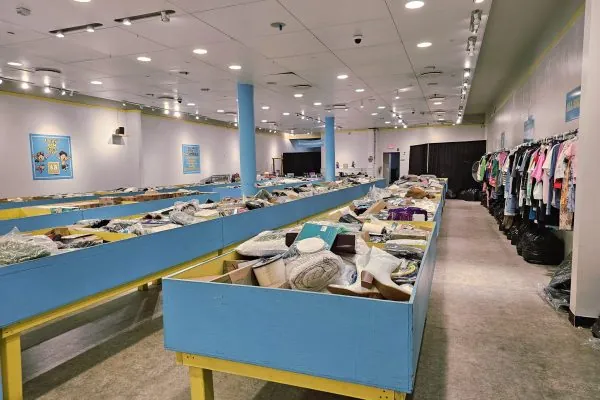
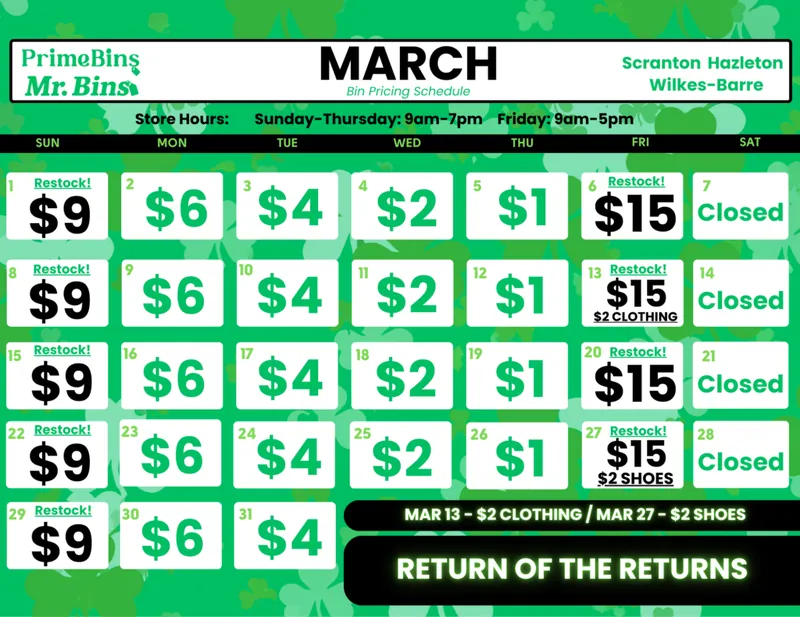
Bin stores typically dump merchandise into large open bins and price everything in the store at a flat rate, usually dropping that rate throughout the week. You might pay $10 per item on Sunday and $2 on Friday. Pallet stores do not work that way. Prices are set per item, not per day, and there's no dramatic markdown schedule to plan around.
Liquidation outlets, on the other hand, often operate more like warehouses. They sell pallets wholesale, mostly to resellers and small business owners. Some are open to the public, some are not. Pallet stores are almost always open to anyone who walks in. That's a meaningful difference if you're just looking to find a deal for yourself rather than resell.
And here's something that surprises a lot of people: pallet stores can actually have better-condition merchandise than bin stores in some cases, because items haven't been handled by dozens of shoppers digging through a pile. Products often still sit in their original packaging, even if that packaging is a little beat up from shipping.
Bin Store Pal has over 1,260 verified listings across these different store types, and pallet stores make up a solid chunk of them. Worth browsing by your zip code before you drive somewhere on a guess.
What to Expect When You Walk In
Expect variety. Serious variety.
One visit might turn up kitchen appliances, outdoor furniture, children's toys, and three different brands of Bluetooth speakers sitting next to each other on the same pallet. Another visit to the same store might be mostly clothing and home goods. The inventory turns over based on what the store sourced that week, and most owners do not post inventory lists ahead of time.
Cash is king at many of these places, though more are accepting cards now. Bring cash anyway. Some smaller pallet stores charge a card processing fee, usually 3%, which adds up if you're buying several items.
I would go early in the week if you want first pick. Fridays and weekends bring in more foot traffic, and the good stuff moves quickly. Tuesday or Wednesday morning is often the sweet spot at a lot of stores, right after a new truckload has been put out.
Also: wear shoes you don't mind scuffing. Concrete floors, open pallets, and tight aisles mean you'll be stepping over things and crouching down more than you'd expect. It's a hands-on experience, not a polished retail one.
Finding a Pallet Store Worth Your Time
Not every pallet store is run the same way. Some are well-organized, clearly priced, and honest about the condition of what they're selling. Others are a jumble of mystery boxes with prices that don't reflect the actual value inside.
Read reviews before you go. Seriously. A store with a 4-star average and 60+ reviews is a different situation than one with three reviews and a 3.1 rating. Listings on Bin Store Pal include verified ratings from real visitors, which cuts through a lot of the guesswork.
Look for stores that describe their sourcing. A listing that says "Amazon returns, customer overstock" tells you something useful. A listing that just says "liquidation merchandise" without any detail is harder to evaluate.
Pallet stores that specialize in a category tend to have better prices in that category. A store focused on tools and hardware will usually price tools more accurately than a general merchandise store that happens to have a pallet of tools sitting in the corner. If you're hunting for something specific, a specialist store is the better call almost every time.
Go in with an open mind and low expectations for finding any one specific item. Go in with high expectations for finding something interesting. That mindset fits the format perfectly.