Maximizing Your Savings: The Ultimate Guide to Liquidation Stores
You're Paying Full Price for Stuff You Don't Have To
You walk into a regular retail store, grab what you need, and hand over way more money than feels right. Maybe it's a set of kitchen knives marked up 300% from what the manufacturer got paid. Maybe it's a brand-name toy your kid will play with for two weeks. You pay full price, you walk out, and somewhere in the back of your mind you know there had to be a better way. There is. It's called a liquidation store, and most people have no idea how it works or what's actually sitting on those shelves waiting to be found.

Liquidation stores go by a lot of names. You might hear people call them a bargain bin, a bin shop, a bin outlet, a bin warehouse, an overstock store, an Amazon return store, a return pallet store, or just pallet liquidation. All of these terms describe basically the same idea: merchandise that did not sell through normal retail channels gets bundled up, sold cheap to a secondary buyer, and put back on shelves at a fraction of what you'd pay at Target or Walmart. This article breaks down everything you need to know to actually benefit from these places, including how to find them, what to expect when you walk in, and how to make smart buying decisions so you don't go home with a box of broken junk.
What Is a Liquidation Store and How Does the Supply Chain Actually Work?

Here's the part nobody explains clearly. Every single day, major retailers and e-commerce platforms like Amazon process millions of returns. A customer orders a blender, doesn't like it, sends it back. Amazon inspects it, decides it can't go back on the shelf as "new," and now has a problem: what do they do with it? They could throw it away, but that's expensive and wasteful. Instead, they sell it in bulk, usually in huge pallets or truckloads, to liquidation wholesalers at deeply discounted rates. Those wholesalers then either sell directly to consumers or supply smaller bin stores and discount retail shops.
Overstock is a slightly different situation. Sometimes a retailer ordered too many units of a product, a season ended, or a packaging update made old stock unsellable at full price. That inventory gets pushed into the same liquidation pipeline. Shelf pulls work the same way, items removed from store shelves to make room for new products end up in these channels. So when you're digging through a bin store, you're looking at a mix of customer returns, overstock, and shelf pulls. And honestly, a big chunk of it is in perfectly good condition.
People assume liquidation merchandise is broken. That's wrong most of the time.
Studies and industry estimates suggest that somewhere around 70% or more of returned merchandise is either in new or like-new condition. The return was made because the customer changed their mind, ordered the wrong size, or simply never opened the box. Damaged or incomplete items do show up, especially in certain product categories like electronics, but they are not the norm. A bin outlet is not a junkyard. Think of it more like a very disorganized, very discounted department store where nothing is guaranteed, but the odds of finding something great are a lot higher than you'd expect.
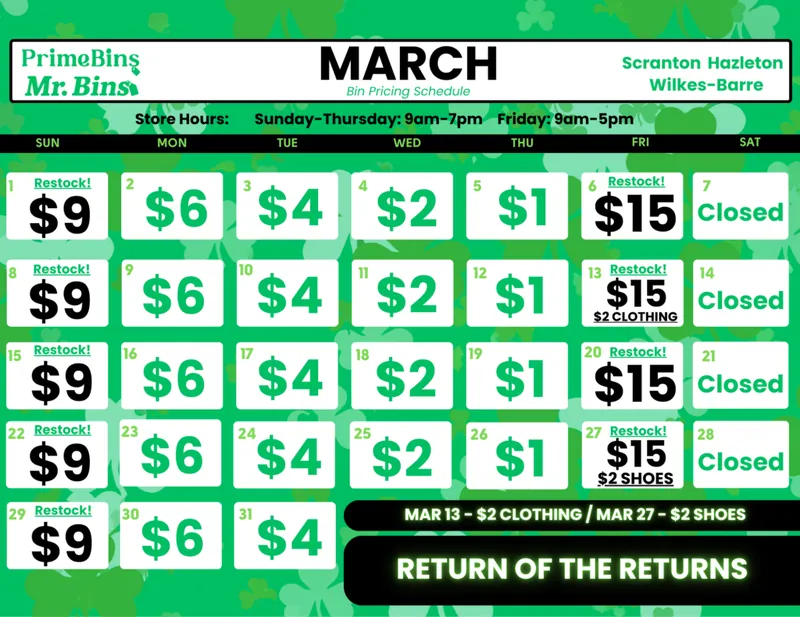
As for store formats, there are a few different setups you'll run into. Traditional bin stores spread merchandise out in large open bins on the sales floor, and pricing is usually either per item at a flat rate or by the pound. Pallet liquidation warehouses sell full or partial pallets, which is more geared toward resellers than everyday shoppers. Bin outlet shops are a middle ground, often running tiered pricing where items are more expensive on restock day and get cheaper as the week goes on. Each format requires a slightly different approach, which we'll get into later.
Why the Financial Case for Liquidation Shopping Is Stronger Than You Think
Let's talk numbers, because the numbers are the whole point.
Liquidation merchandise typically sells at somewhere between 10 cents and 50 cents on the dollar compared to original retail value. That means a product that retails for $40 might be sitting in a bin for $4. Or $8. Even at the high end of that range, you're saving 50% on items that are often perfectly usable. For families on a budget, for people who resell, or for anyone who just hates feeling ripped off at retail, those numbers matter a lot.
Zoom out even further and the scale of this industry is staggering. American consumers return somewhere between $600 billion and $800 billion worth of merchandise every year. That is not a typo. Hundreds of billions of dollars in products flowing back through the system and needing somewhere to go. That volume creates a consistent, reliable inventory pipeline for every bin store, overstock store, and return pallet store operating in this country. This isn't a niche thing anymore. It's a fully functioning secondary retail economy.
And you don't have to live in a major city to find quality options. Bin Store Pal currently lists businesses in Deer River, MN and Oklahoma City, OK, both carrying a 5.0 star average rating from customers. Bargain Bin in Deer River, MN holds a 5.0 star rating. Small town, perfect score. The point is that high-quality discount retail is not limited to big metro areas, you just have to know where to look, and directories like this one make that a lot easier.
If you spend $200 a month on household goods at full retail, shopping at a liquidation store even half the time at an average of 30 cents on the dollar could save you $70 or more per month. That's over $800 a year just from changing where you shop part of the time.
Some people reading this are thinking about reselling, not just personal shopping. That's a legitimate angle. Plenty of people make part-time or even full-time income buying from bin stores and selling on eBay, Facebook Marketplace, or OfferUp. If you're picking items at $2 to $5 each and flipping them for $15 to $40, the math works out very fast. But even if you're not trying to start a side hustle, the savings for personal use alone are real and significant enough to make this worth your time.
It's also worth mentioning the sustainability angle, not as a feel-good talking point but as a practical reality. Every item you buy from a liquidation store is an item that didn't end up in a landfill. That's actually a meaningful thing given how much returned merchandise used to be destroyed outright by major retailers. Shopping this way has genuine environmental upside, and you're getting a deal at the same time. Both things can be true.
What Actually Happens When You Walk Into a Bin Store
Walking into one for the first time can feel a little chaotic. That's not a bad thing, but it helps to know what you're getting into before you show up.
Most bin stores restock on a set schedule, typically once or several times a week. On restock day, everything in the bins is new inventory, and prices are usually at their highest point for the week. At a lot of these places, pricing is tiered, meaning items drop in price each day as the week goes on. By the end of the cycle, right before the next restock, things can be extremely cheap, sometimes as low as $1 per item or sold by the pound for next to nothing. Knowing this schedule completely changes your strategy depending on what you want.
If you want first pick of the freshest inventory with the best selection, go on restock day and go early. Show up right when they open. Serious shoppers often line up before the doors unlock, and the good stuff moves fast. If you want the absolute lowest prices and you're flexible about what you find, go late in the cycle. You'll dig through a more picked-over selection but pay almost nothing for what you do find.
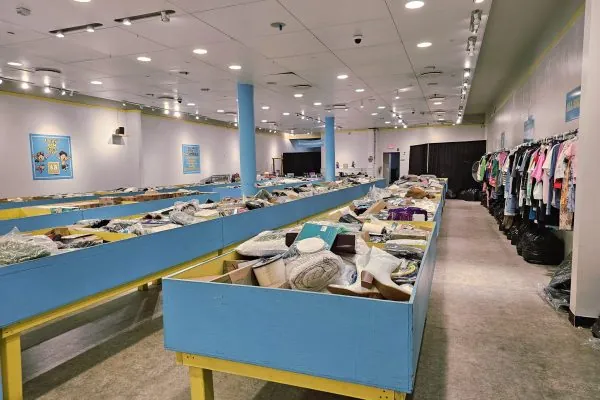
Physically, most bin stores look like a large open room filled with rows of big plastic bins or wooden pallets. There's usually not much signage or organization by product category. You dig. That's the whole experience. It's part shopping trip, part treasure hunt, and you should dress for it. You're going to be bending, crouching, and rummaging. Wear comfortable clothes. Bring a bag or a cart if the store allows it.
One weird thing you'll notice is that the lighting in some of these warehouses is industrial fluorescent at best. Makes it hard to check colors or screen quality on electronics. Something to keep in mind when evaluating items in-store.
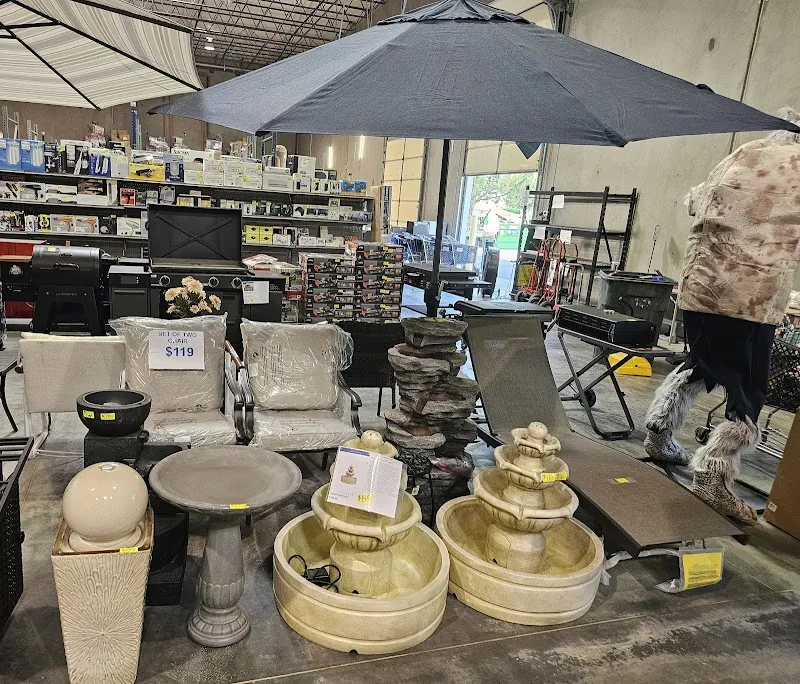
Products you'll typically find include electronics (everything from headphones to tablets to smart home devices), kitchen items, household tools, toys, clothing, beauty products, books, sporting goods, and random office supplies. Amazon return stores in particular tend to have a heavy mix of electronics and home goods because that's what Amazon sells a lot of. Overstock stores tied to specific retailers might skew toward whatever that retailer specializes in.
Be prepared to not find what you were specifically looking for. That's just the nature of it. Inventory is unpredictable and nobody knows what's coming in on any given restock day. If you go with a rigid list and get frustrated when half of it isn't there, you're going to have a bad time. Go with openness and a general sense of what you'd value, and you'll usually come home happy.
Look up the store's restock schedule before driving out. Many bin stores post their schedule on Facebook or Google. Showing up the day after a restock when bins are already picked over is a common mistake that sours people on liquidation shopping before they really give it a chance.
Featured Stores From the Bin Store Pal Directory
| Business Name | City | Rating | Reviews |
|---|---|---|---|
| Bargain Bin | Deer River, MN | ⭐ 5.0 | 1 review |
| Oklahoma City Location | Oklahoma City, OK | ⭐ 5.0 | Listed |
Both of these businesses are holding a 5.0 star average across the directory. That's rare in any retail category. Happy customers at a liquidation store usually means reliable restocks, honest descriptions of what you're buying, and fair pricing. Those three things are exactly what makes or breaks the experience at any bin outlet.
Practical Strategies to Get the Most Out of Every Visit
Alright, let's get specific. This is the part that separates people who come home with $200 worth of stuff for $30 from people who come home frustrated and empty-handed.
Before You Go
Research the store first. Check Google, Facebook, Yelp, whatever they're active on. Look for their restock schedule, their pricing structure, and any recent posts showing what kinds of items came in. Many bin stores and overstock stores post photos of their bins on restock day to drive traffic. Those photos tell you a lot about the inventory quality and variety before you waste a trip.
Know approximate retail values for product categories you care about before you walk in. This takes maybe 20 minutes of browsing Amazon or eBay sold listings. If you're going to buy electronics, you should know roughly what a used Bluetooth speaker or a tablet in good condition sells for. If you pick something up in the bin and have no idea if it's worth $5 or $50, you'll either overpay or leave something great behind.
Bring cash. A lot of these smaller stores prefer it or only accept it. Some do take cards, but don't assume. Check ahead. Nothing worse than filling your arms with finds and then not being able to pay.
In the Store
Inspect everything you're seriously considering. Check for physical damage, missing parts, or signs that something is going to be a headache. For electronics, look for charging ports, buttons, screen condition. For appliances, look for bent cords, cracked housings, missing components. For clothing, check seams and zippers. This isn't paranoia, it's just smart shopping given that you're buying items with some history.
Don't hoard. Seriously, carrying around fifteen things while you keep browsing is a mistake. You'll end up putting most of it back anyway and you'll miss better items because you were weighed down. Make quick decisions. If it's a clear yes, set it aside. If it's a maybe, put it back and keep moving. You can always circle back.
Go with a general wishlist, not a specific one. "I'd love to find kitchen stuff, tools, or electronics" is good. "I need a specific 12-piece Cuisinart cookware set" is going to leave you disappointed. Flexibility is your biggest asset in a pallet liquidation or bin store environment.
Be nice to staff. This sounds obvious but it matters more here than in a regular retail store. Staff at bin stores often know what came in, what's good, and sometimes will let regulars know when specific types of items are in stock. Building a friendly rapport with a small discount retail shop is genuinely worth something over time.
After Your Visit
If you bought more than you need for personal use, this is where things get interesting. Platforms like eBay, Facebook Marketplace, and OfferUp are full of buyers looking for exactly the kinds of items you just bought for a fraction of retail. Selling even a few items per week can offset your shopping costs entirely and then some.
eBay works best for electronics, collectibles, name-brand items, and anything where buyers will search by product name. Facebook Marketplace is better for bulkier items, furniture, tools, and local pickups. OfferUp is a solid third option for a mix of both. Take clean photos in good lighting, write honest descriptions, and price competitively based on sold comps. That's it.
Wait, there's one more thing to mention here: cleaning and testing. Before you list anything, test it and clean it. A working blender that looks grubby will sell for half what a clean one gets. Ten minutes with a damp cloth can double your profit on some items. That's not an exaggeration.
And if you're into stretching your budget across multiple categories beyond just goods, it's worth knowing that similar savings opportunities exist in other areas. If you want to cut your grocery bill the same way you cut your household goods bill, you can browse salvage grocery options near you through a similar directory. Same concept, different product category, same principle of buying inventory that didn't sell through normal channels at a steep discount.
Common Mistakes That Will Cost You
Going in without knowing the pricing model is a big one. Some stores charge per item regardless of what it is. Others charge by the pound. Others run tiered daily prices. If you don't know the model walking in, you might pay $5 for something that will be $1 tomorrow, or load up a cart thinking everything is $2 when it's actually by the pound and you're about to spend $40.
Buying broken electronics on a gamble is how people sour on liquidation shopping. Unless you're technically skilled and can fix things, pass on anything that looks obviously broken or is missing key components. There is usually enough good stuff in any well-stocked bin outlet that you don't need to take on projects.
Going too infrequently and expecting every visit to be amazing. Some days the bins are full of exciting finds. Some days it's a lot of mismatched socks and off-brand cleaning products. That's the nature of this. Regular shoppers build up a sense of the rhythm and stop being disappointed by slower days because they know a great restock is coming soon.
Buying stuff you don't need just because it's cheap. This is the sneaky one. It's very easy to rationalize a purchase at a bin store because everything feels like a deal. But $3 for something you'll never use is still $3 wasted. Stay focused on what you actually need or what you can realistically sell.
Before putting anything in your pile, ask yourself: "Would I buy this at $15 at a regular store?" If the answer is no, the fact that it's $3 here doesn't make it a good buy. Cheap is only a deal if you'd actually want it at any price.
Is Liquidation Shopping Right for You?
Liquidation shopping works best for people who have flexibility, patience, and some baseline knowledge of what things are worth. It does not work well for people who need a specific item on a specific day. You can't reliably count on a bin store to have exactly what you're looking for on any given visit. That's not the point of these places.
But if you've got a general list of household needs, if you're open to finding things you didn't expect to want, and if you're willing to spend a bit of time digging, the savings are real. Especially for families with high monthly household spending, for people starting out who need to furnish an apartment on a budget, or for anyone who genuinely enjoys the hunt more than the certainty of a regular retail trip.
Resellers get the biggest bang out of this. Buying smart at a return pallet store and flipping on eBay is a real income stream for a lot of people. If that interests you, start small, learn what sells in your local market, and build from there. Don't buy a full pallet on your first trip. Start with individual bin items, get a feel for what moves, then scale up if it makes sense.
In practice, the broader discount retail world also keeps expanding. As online shopping volumes grow, so