How to Start Shopping at a Liquidation Store: First Steps
Picture this: you're wandering through a warehouse-sized room, bins stretching in every direction, and you pull out a brand-new KitchenAid mixer still in its original box. Price tag? Four dollars. That moment, equal parts shock and glee, is exactly why people get hooked on liquidation store shopping and never really go back to paying full retail again.

Liquidation stores go by a lot of names. You might have searched for a bargain bin, a bin shop, an overstock store, or maybe you heard someone mention an Amazon return store and got curious. Some people call them return pallet stores, bin outlets, bin warehouses, or just "that place where everything's cheap." Whatever you call them, they all operate on roughly the same idea: merchandise that did not sell through normal retail channels gets bundled up and resold at a fraction of its original price. This guide is for people who have never walked through those doors before and want to know what to actually expect, not a glossy overview, but the real practical stuff.
1. Understand What a Liquidation Store Actually Is
Most people assume these stores are just a step above a garage sale. That is not quite right, though it's understandable where the impression comes from. A proper liquidation store sources its merchandise from a surprisingly structured supply chain. Big retailers, think major department stores, national chains, and yes, Amazon, end up with enormous quantities of goods they cannot or do not want to sell at full price. Customer returns pile up. Overstock from seasonal shifts sits in warehouses. Products get pulled from shelves when a store remodels or closes. All of that inventory has to go somewhere, and it doesn't just disappear.
What happens is that large liquidation companies buy these goods in bulk, often by the pallet. A single pallet might contain 150 items across 40 different product categories, a blender, some kids' shoes, a Bluetooth speaker, a set of bed sheets, a broken tablet (or maybe not broken, you won't know until you check). Those pallets then go to pallet liquidation warehouses or bin stores, where the items get sorted into open bins and sold directly to shoppers. Some places sell the pallets themselves, which is a different beast entirely and usually aimed at resellers rather than casual shoppers.
Knowing this background matters because it shapes your expectations. You are not shopping at a store that curated its inventory for you. You're sorting through a cross-section of whatever America bought, returned, or overordered this season. That unpredictability is the whole point.

2. Know the Difference Between Store Types Before You Walk In
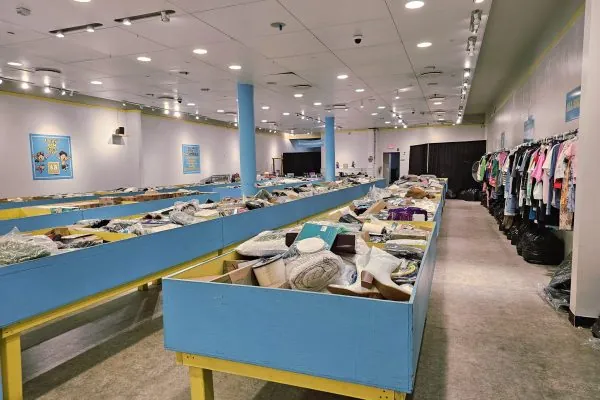
Not every place that sells liquidation goods operates the same way, and walking into the wrong type of store with the wrong expectations will leave you confused. A classic bin store or bin outlet sets prices per item regardless of what the item is, everything in a certain bin might be $3, full stop. It doesn't matter if you pull out a pack of hair ties or a cordless drill. Same price. That flat-rate system is what makes these places feel like a treasure hunt, because the "value" of what you find varies wildly.
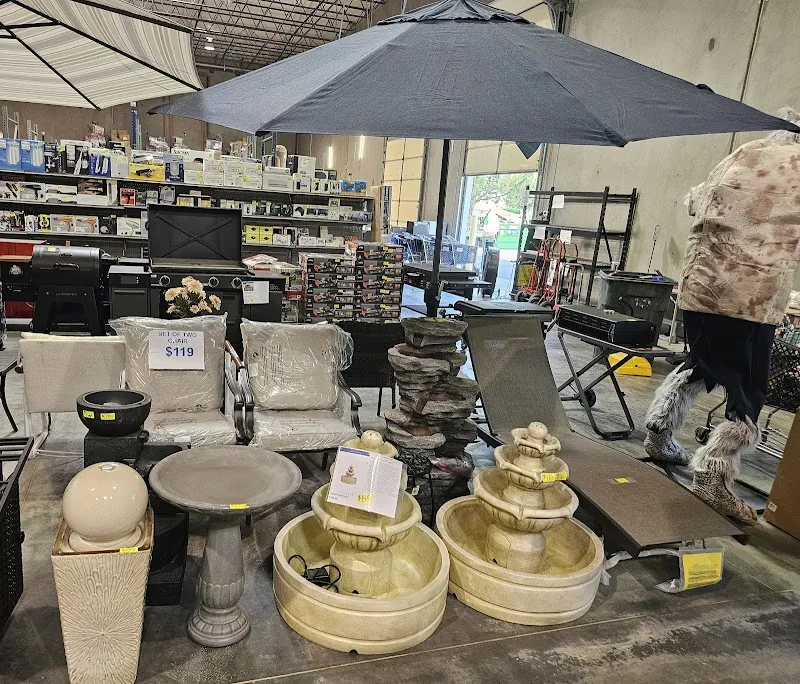
Pallet liquidation warehouses, on the other hand, often sell pallets wholesale or by the lot. These are more commonly visited by small business owners or resellers who want to buy in larger quantities and flip items for profit. Some warehouses do have a retail floor where individual items are sold, but the vibe is more industrial, less casual-browsing. Traditional discount retailers like outlet stores or overstock stores tend to have more organized shelving, clearer product labeling, and a closer resemblance to a regular store, they're just selling things below typical retail price, often because of overstock or minor packaging damage.
If you're brand new to this world and want the most fun experience, start with a bin store. It's chaotic in the best way. You will not find a neater, more organized setup, but you will probably find something that surprises you.
Look up the store's restock schedule before your first visit. Most bin stores restock on a specific day each week, and arriving on restock day gives you first access to fresh inventory. Going mid-week after a restock usually means the good stuff is already gone.
3. Prepare for the Physical Reality of Bin Shopping
Wear something you don't mind getting dirty. Seriously. Bin stores are usually warehouse-style buildings with concrete floors, high ceilings, and bins that sometimes haven't been wiped down in a while. You will be leaning over, digging, lifting, and sorting. Comfortable shoes matter more than you'd think, restock days especially can mean standing and moving for an hour or two straight.
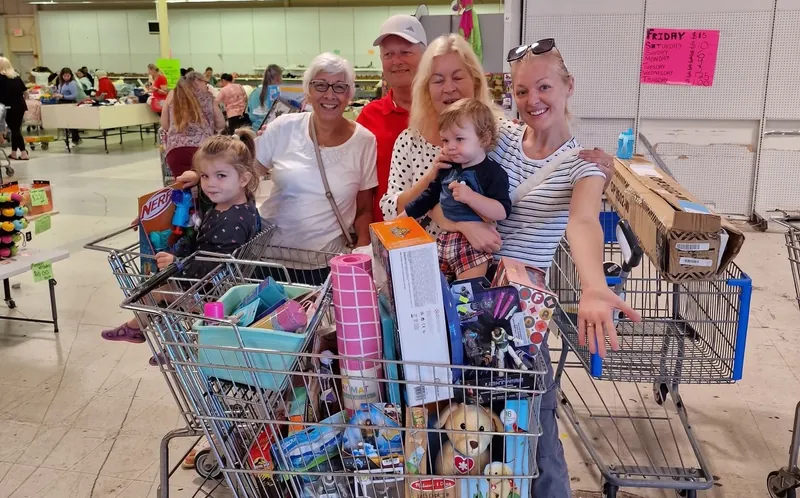
Bring reusable bags or a sturdy tote. Most bin stores do not provide shopping carts, and some don't offer bags either. You'll be carrying your finds as you go, so having a bag over your shoulder makes a real difference. Some regulars bring a small basket or even a lightweight backpack.
Go early on restock day. This is probably the single most important logistical tip for a first visit. Stores like these typically dump new inventory from pallets into the bins on a set schedule, and serious shoppers show up right when the doors open. Arrive an hour late on restock day and you may find the bins already picked over. Mid-week visits after restock day can still yield good finds, but the selection is thinner.
Set a budget before you walk in. This sounds obvious but it's easy to get carried away when everything costs $3 or $5. You grab one thing, then another, then a third "just because it's basically free." And suddenly you've spent $60 on stuff you half-needed. Decide your limit in advance and stick to it, especially on your first visit when you're still figuring out whether you like the experience.
4. Learn How the Pricing Cycles Work
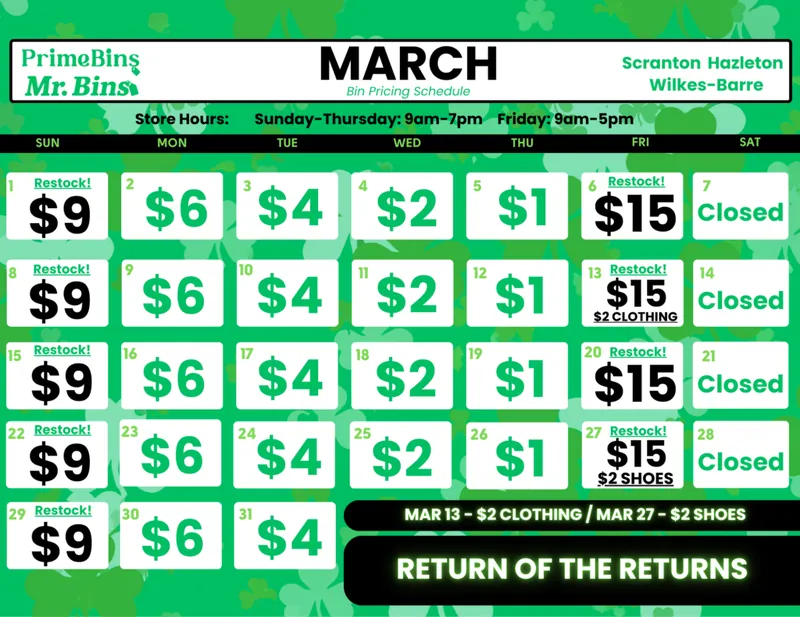
Pricing at a bin store is genuinely one of the more interesting things about the format. Many stores use a tiered pricing system tied to the day of the week or to color-coded bins. On restock day, prices are highest, maybe $8 or $10 per item. By mid-week they might drop to $5. By the end of the week, as the store prepares to clear out old inventory and bring in a fresh pallet load, prices can fall to $1 or even less per item. Some stores run a free day right before restock, where everything left goes into a "take it" pile.
This creates a real strategy question for shoppers. Do you go on restock day and pay more, but get first pick of the freshest inventory? Or do you go at the end of the week, pay almost nothing, but sort through whatever the early birds left behind? Experienced shoppers usually do both, they visit early for specific categories they care about (electronics, name-brand clothing, tools) and come back at end of week to fill their bag for almost nothing on everyday stuff.
Some stores use color-coded bins or colored sticker dots on items to indicate price tier. Red dot means $3. Yellow dot means $5. Blue dot means it was pulled from a special section and priced individually. Every store is a little different, so ask a staff member on your first visit or just watch how other shoppers are checking prices. You'll figure it out within ten minutes.
And speaking of figuring things out by watching, don't be shy about observing the regulars. They know exactly which bins to hit first, which areas of the store tend to have electronics, and when the staff usually start loading new inventory. A little observation goes a long way.
5. Inspect Items Carefully Before You Buy
Most liquidation stores and bin shops sell merchandise as-is, with no returns. That is not a small detail. Once you walk out the door with something, it's yours. So you need to do your inspection at the time of purchase, not when you get home.
Check for obvious damage first: cracked screens, broken hinges, missing components, signs of water damage, frayed cords. For electronics, look for any original retail sticker that might show the product model, you can quickly search the model number on your phone to check what it originally retailed for and whether the item is worth buying even if it needs a minor repair. For clothing, check seams, zippers, and any staining. For kitchen items, look for all the parts. A blender base without a pitcher is basically a paperweight.
Brand recognition matters here. A generic off-brand item at $4 might be worth less than $4. A name-brand item, say, a Ninja coffee maker or a set of Calphalon pans, at the same price is a genuine deal. Learning to quickly scan for brand names is one of the most useful skills you'll develop as a regular bin store shopper. Categories with the highest retail markups, like kitchen appliances, name-brand clothing, and small electronics, tend to offer the best savings when you find them here.
Check every item before you commit. Open boxes, check for all parts, test buttons if there's power available. Most bin stores have a no-return policy, so what you see (and inspect) is what you get.
6. Target the Right Categories for Your Needs
Walking in without any sense of what you're looking for is fine for your first visit, just to get a feel for the place. But if you want to shop strategically, think about what you actually need before you go. Liquidation inventory is unpredictable, so you can't count on finding a specific item, but you can focus your attention on categories that tend to show up consistently.
Home goods and kitchen items are almost always well-represented in bin stores. Retail overstock in this category is enormous. Toys tend to show up heavily around post-holiday seasons when unsold Christmas inventory gets liquidated. Tools and hardware items appear regularly and can be incredible finds because retail prices on tools are high and even a small discount represents real savings. Clothing shows up constantly but quality varies widely, so check each piece individually.
Electronics are the holy grail for most bin shoppers, but also the highest-risk category. A working Bluetooth speaker at $3 is a great deal. A tablet with a cracked screen and missing charger at $6 might be worthless to you if you can't fix it. Be more careful with electronics than any other category, and be honest with yourself about whether you have the skills or tools to repair something if it turns out to have issues.
If you're someone who also shops for groceries on a budget, it's worth knowing that similar discount principles apply to food retail. Salvage grocery stores operate on a comparable model, selling short-dated, overstock, or mislabeled food at steep discounts. Worth exploring alongside your bin store habit if you're trying to stretch your budget across all your spending.
7. Visit More Than Once to Get the Real Feel
Your first visit to a liquidation store will probably be slightly overwhelming. Too much stuff, no clear organization, prices that seem to shift depending on which bin you're looking at. That's normal. It takes a couple of visits before the format clicks and you start moving through a store efficiently.
Most experienced bin shoppers visit the same store multiple times per week. They know Tuesday is restock day. They know the electronics tend to land in the far left bins near the back. They know that by Friday, the staff usually starts consolidating bins and dropping prices. That knowledge only comes from repetition. Your second visit will feel completely different from your first, and by your fourth or fifth trip you'll have developed your own system.
Regulars also get a feel for what a particular store tends to carry based on which retailers they source from. One bin outlet might consistently get loads from a home improvement chain, making it a great stop for tools and hardware. Another might pull heavily from a national clothing retailer, so you'll find a lot of apparel. Over time you start to match your shopping goals to what each store does well.
Where to Find a Liquidation Store Near You: Directory Highlights
Bin Store Pal currently lists 2 businesses across 2 cities, and the average customer rating across reviewed locations is a perfect 5.0 stars. That's a small but strong directory, the kind of thing that suggests the listed businesses are genuinely good at what they do, not just filling a listing for the sake of it.
| Business Name | City | Rating | Reviews |
|---|---|---|---|
| Bargain Bin | Deer River, MN | ⭐ 5.0 | 1 review |
| Additional Listing | Oklahoma City, OK | Listed | See directory |
Bargain Bin in Deer River, Minnesota holds a 5.0-star rating, which is impressive for any retail format. Deer River is a small town, which actually makes a well-run bin store there more meaningful, options are limited and locals tend to rely on it. Oklahoma City rounds out the directory with a second location, serving a much larger metro area where bin shopping culture has been growing steadily. If you're near either city, these are worth a visit based on what the data suggests.
The directory is growing. Two listings is a starting point, and the fact that the reviewed location already has a perfect rating is a good sign for the quality of stores being added. Worth bookmarking and checking back as more shops get listed, especially if you're in a city that doesn't yet have a nearby option on the map.
What exactly is a bin store?
A bin store (also called a bargain bin, bin outlet, or bin shop) is a retail store that sells liquidated merchandise, overstock, customer returns, and shelf pulls from major retailers, sorted into large open bins. Prices are typically set per item rather than by product type, and inventory changes frequently, often on a weekly restock schedule.
Can I return items to a liquidation store?
Most liquidation stores and bin shops have a strict no-return policy. Merchandise is sold as-is, meaning you accept the item in whatever condition you find it. This is why careful inspection before buying is so important. Always check items thoroughly before you commit to buying.
What's the difference between a bin store and a pallet liquidation warehouse?
A bin store sells individual items sorted into open bins, usually to regular retail shoppers. A pallet liquidation warehouse typically sells goods by the pallet or lot, which is more suited to resellers and small business owners who want to buy in bulk. Some warehouses do have a retail floor, but the experience is different from a typical bin store.
When is the best time to visit a bin store?
Restock day is the best time to visit if you want first access to fresh inventory. Most stores restock on a set day each week, call ahead or check their social media to find out when. If you're more price-focused than selection-focused, visiting at the end of the pricing cycle (usually right before the next restock) means prices are at their lowest.
What categories tend to have the best deals at a liquidation store?
Kitchen appliances, small electronics, name-brand clothing, and tools tend to offer the best savings because their retail markups are high. Home goods and toys are also commonly found and can be excellent deals. Electronics carry the highest risk since items may have issues, so inspect them carefully before buying.
More Ways to Save
Find a Bin Store Near You
Browse our directory of 2+ liquidation stores, bin shops, and bargain bin locations across the country. New businesses are being added regularly.
Search the Directory