Health Impacts of Discount Retail: A Closer Examination
Over 1,260 discount retail businesses are listed in the Bin Store Pal directory right now, spread across cities as different as Las Vegas, Honolulu, and New York, and that number keeps climbing. That's not a fringe shopping trend. That's a real, widespread shift in how a large portion of Americans buy everyday goods, including food, personal care items, cleaning products, and yes, health supplements. And because so many people now shop at a bargain bin, pallet liquidation outlet, or Amazon return store on a regular basis, it's worth taking a serious look at what that actually means for health, for shoppers, for workers, and for communities at large.
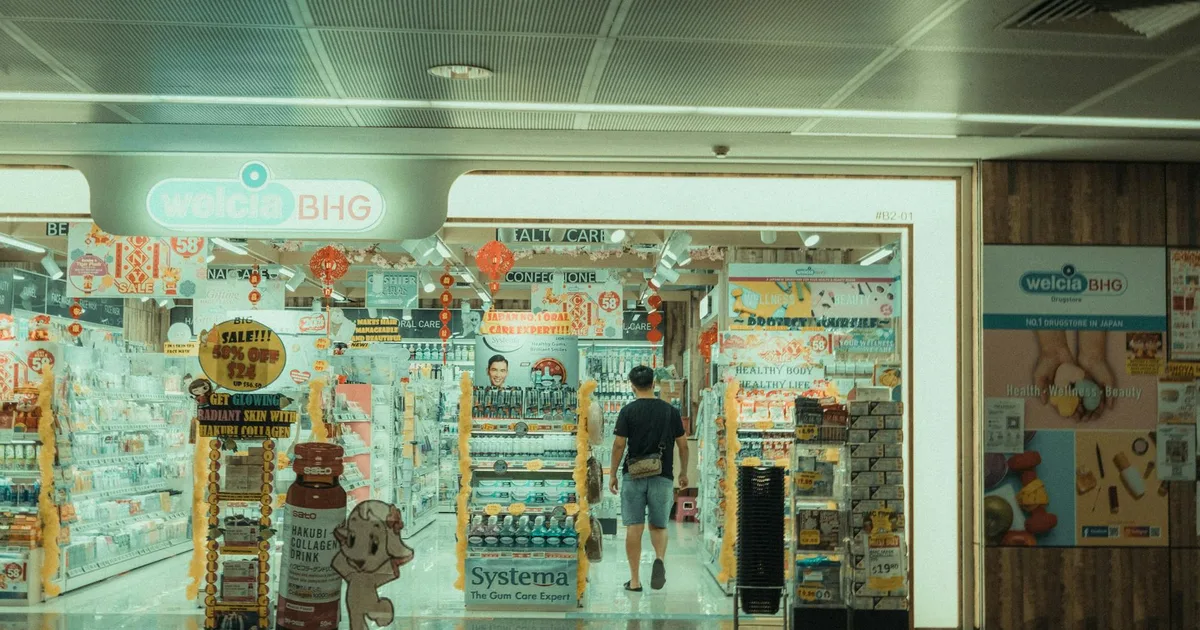
This article is going to cover a lot of ground. We'll look at the real financial and mental health benefits that these stores provide to lower-income shoppers, the product safety questions that any honest review has to address, the physical and psychological toll on workers sorting through returned merchandise all day, and the environmental angle that most people overlook entirely. Some of this is genuinely encouraging. Some of it deserves more attention than it currently gets.
The Scale of This Industry and Why It Matters to Public Health
Most people think of bin stores and liquidation outlets as something you stumble on by accident in a strip mall. But looking at the data, these businesses are deeply embedded in American urban life. Las Vegas leads with 22 listings in the directory, followed by New York with 17, Phoenix with 14, Colorado Springs with 13, and Honolulu with 12. What's interesting about that list is the diversity: we're talking about a desert gambling city, one of the most expensive real estate markets on earth, a sprawling southwestern metro, a mid-size military-heavy city in Colorado, and an island state where shipping costs make everything more expensive. These stores aren't clustering in one type of community. They're everywhere, serving very different populations.
That geographic spread matters when you're thinking about health impacts, because it means whatever is happening inside these stores, good or bad, is touching a lot of different communities. An overstock store in Honolulu is serving a population with limited import options and high grocery costs. A bin outlet in New York might be the only place a family in a lower-income neighborhood can afford to buy vitamins or cleaning supplies without sacrificing something else in the budget. Context shapes health outcomes, and discount retail exists in a very specific economic context.
Worth noting too: the average rating across all 1,260 businesses sits at 4.2 stars. That's actually quite high for a retail category that doesn't have the brand polish of a Target or Walmart. It suggests these stores are genuinely meeting needs, not just surviving on desperation shopping.
| Business Name | Location | Rating | Reviews |
|---|---|---|---|
| The Other Side Thrift Boutique | Millcreek, UT | 5.0 ⭐ | 5,092 |
| Deals Outlet Bin Store | Tallahassee, FL | 5.0 ⭐ | 1,565 |
| Deals Outlet Bin Store | Gainesville, GA | 5.0 ⭐ | 667 |
| Bin Fest | Deerfield Beach, FL | 5.0 ⭐ | 382 |
| The UPS Store | Pasadena, MD | 5.0 ⭐ | 172 |

Real Health Benefits That Don't Get Talked About Enough
Financial stress is one of the most well-documented drivers of poor health outcomes in America. Chronic financial pressure raises cortisol levels, disrupts sleep, worsens cardiovascular health, and makes people far more likely to skip preventive care. So when a bin shop or liquidation store lets a family stretch their budget further, that's not just a shopping win. It's a health intervention, even if a modest one.
Think about what you can actually find at a well-stocked return pallet store or overstock store. On any given day, a shopper might come across brand-name vitamins at 80% off retail, sealed first aid kits, sunscreen, ibuprofen, allergy medicine, and basic hygiene products. For a family earning $30,000 a year, the difference between paying $12 for a bottle of multivitamins at a pharmacy versus finding it for $2 at a bin outlet is real money. Do that across a month of shopping, and you're talking about a meaningful shift in what that household can afford health-wise.
And honestly, the mental health angle here is underrated too. Walking into a well-run bin warehouse and not knowing what you'll find activates the same reward pathways as other novelty-seeking behaviors. Researchers who study consumer behavior have documented the dopamine response associated with unexpected bargain finds, and it's genuinely mood-lifting in a short-term sense. Customers at The Other Side Thrift Boutique in Millcreek, Utah, which has pulled in 5,092 reviews and holds a perfect 5.0 rating, are not just coming back because of prices. A place that earns that kind of loyalty is doing something right on the experience side too.
Sealed vitamins and supplements, over-the-counter medications with intact packaging, first aid kits, sunscreen (check expiration dates), dental care items, and hygiene products are all common finds at bin stores and overstock outlets. Always verify packaging integrity and expiration dates before buying anything you'll put in or on your body.
There's also a food access dimension worth mentioning. Some bin shops carry non-perishable food items from overstock or return shipments, and for shoppers in areas without reliable grocery access, that can make a real difference. If you're looking for even deeper discounts on food specifically, salvage grocery stores in your area tend to specialize in that category and are worth exploring alongside your regular liquidation store runs.
The community function of these stores goes beyond individual shopping decisions. In neighborhoods with limited retail options, a local bin outlet can serve as a social space, a place where people interact, share tips about deals, and feel a sense of local economic participation. That sounds a little abstract, but social connection is genuinely protective against poor mental health outcomes. It's not nothing.
Consumer Safety: What You Actually Need to Watch Out For
Okay, here's where things get more complicated. Because while the benefits above are real, the product safety concerns at Amazon return stores, pallet liquidation shops, and bin warehouses are also real and deserve straight talk rather than hand-waving.
Returned merchandise arrives at these stores from a lot of different places and in a lot of different conditions. Some items are factory-sealed and perfectly fine. Others have been opened, used, re-boxed, and returned by consumers for reasons that aren't always disclosed. For most product categories, that's annoying but not dangerous. For food, supplements, medication, or anything applied to skin or ingested, the calculus changes.
Expired consumables are the most common issue. A supplement bottle that expired eight months ago isn't going to kill anyone, but it's also not going to do what it says on the label. More concerning are food items with compromised packaging, which can allow moisture or contamination in, and recalled products that sometimes slip through the liquidation chain before anyone catches them. The Consumer Product Safety Commission maintains a searchable recall database at cpsc.gov, and spending two minutes checking a product there before buying it is genuinely worthwhile if you found it at a pallet liquidation outlet and you're not sure of its origin.
Specific things to do when shopping at these stores:
- Check every expiration date on food, supplements, and medication. No exceptions.
- Look at packaging integrity. Dents on canned goods can indicate seal failure. Swollen packaging on any food product is a hard no.
- For supplements and vitamins, check that the safety seal is intact. A broken seal on a vitamin bottle at a discount store is not something to overlook.
- Research unfamiliar brand names before buying health products. Some items in overstock retail are grey-market imports that may not meet FDA standards.
- Do not buy baby formula, infant products, or prescription-adjacent items from a bin shop unless you can fully verify their origin and condition.
Most experienced discount shoppers develop a kind of intuitive triage for this. You get a feel for what's worth inspecting closely and what's obviously fine. But if you're new to shopping at a return pallet store or bin outlet, slow down on anything health-related and give it a real look before it goes in your cart.
Before buying any health, food, or childcare product from a liquidation store or bin warehouse, check the CPSC recall database (cpsc.gov) and the FDA recall list (fda.gov/safety/recalls-market-withdrawals-safety-alerts). It takes two minutes and it's genuinely worth doing.
One more thing that does not get enough attention: many products at these stores do not carry manufacturer warranties, and safety certifications that originally came with an item may not transfer to a second-sale context. A returned electric heating pad that was tested and certified when it left the factory has not necessarily been re-inspected after the return. That's not a reason to never buy anything at a bin store. It is a reason to be more careful with certain product categories.
What It's Actually Like to Work in These Places
Shift the focus from shoppers to workers, and the health picture looks different again.
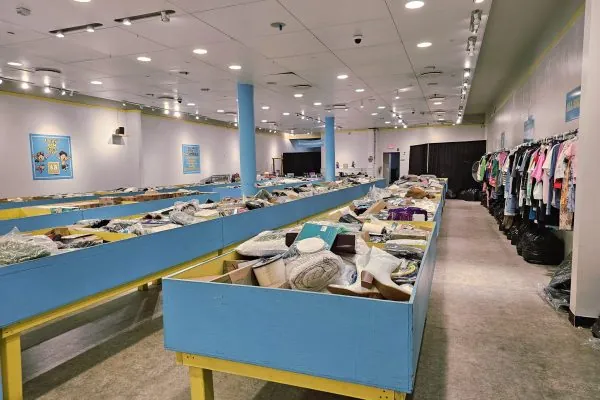
Working in a bin warehouse or pallet liquidation facility is physically demanding in ways that don't always show up in job listings. Workers sort through enormous volumes of returned merchandise, often lifting and moving items repeatedly throughout a shift. Return pallet stores receive goods in bulk, and those pallets don't unload themselves. The ergonomic risk from constant bending, lifting, and sorting is real, and without proper technique and equipment, soft tissue injuries are common in this kind of work.
There's also a chemical exposure dimension that's easy to overlook. Returned goods can include cleaning products, solvents, batteries, and other materials that may have leaked or been improperly repackaged. A worker sorting through a bin of mixed returns might handle a bottle of industrial cleaner that has cracked open, or a device with a compromised lithium battery. Workers at these facilities deserve proper protective equipment and real training on hazardous materials handling, not just a five-minute onboarding session.
Psychological stress is another factor. High-turnover inventory means the floor changes constantly, and the pace of work in busy bin shops can be intense, especially on reset days when new inventory hits and customers line up for hours waiting to get in. For reference, Deals Outlet Bin Store in Tallahassee has 1,565 reviews at a 5.0 rating, and Bin Fest in Deerfield Beach has 382 reviews at the same perfect score. Stores that are that popular are also stores with very active, sometimes crowded floors, which creates its own set of occupational pressures for staff.
Better-run facilities tend to show in their ratings, and they also tend to be better for workers. A store that maintains clean, organized aisles and clear safety protocols is doing that for customers but also, whether they frame it this way or not, for the people who work there every day. Workplace wellness policies, regular ergonomics check-ins, and clear channels for reporting unsafe conditions matter enormously in this type of environment.
The Environmental Health Angle Nobody Mentions at the Register
There's a tendency to think about environmental health as separate from personal health, but they're connected in ways that directly affect the communities where these stores operate.
Bin stores and pallet liquidation outlets play a real, measurable role in diverting goods from landfills. When Amazon or a major retailer processes a return that can't go back on the shelf, those goods have to go somewhere. Without the liquidation chain, a significant portion of them go straight to landfill or incinerator. In practice, the bin store model intercepts a lot of that waste and puts it back into circulation, which reduces the production pressure to manufacture new goods and keeps materials out of waste streams that are linked to pollution in surrounding communities.
That matters for health. Landfills and waste processing facilities produce VOCs, particulate matter, and leachate that affects air and water quality in nearby neighborhoods. Reducing the volume of goods that flow through those facilities is a downstream health benefit, diffuse and hard to measure, but real. Communities with high discount retail density might actually see some environmental health benefit from the diversion effect, though this is an area that genuinely needs more research.
There's also a longer supply chain consideration: every item sold at a liquidation store is an item that does not need to be newly manufactured, which means fewer raw materials extracted, less energy used, and less pollution generated at the production end. For shoppers who care about environmental health as an extension of personal and community health, a bin outlet or overstock store is one of the more defensible places to shop.
Frequently Asked Questions
Are bin stores safe for buying food and supplements?
They can be, but you have to be careful. Always check expiration dates, inspect packaging for damage or broken seals, and look up any unfamiliar brands before buying. For sealed, non-perishable items with intact packaging and valid expiration dates, the risk is generally low. Avoid anything with compromised packaging, swollen cans, or missing labels.
Can I find recalled products at Amazon return stores or pallet liquidation shops?
Yes, it's possible. Recalled items can end up in the liquidation chain before the recall is processed. Check the CPSC recall database (cpsc.gov) and FDA recall list before buying any health, food, or childcare product from a bin shop or overstock store. It only takes a minute and it's a genuinely useful habit.
What are the occupational health risks for workers at bin warehouses?
Repetitive lifting and sorting create ergonomic risks, especially for the back, shoulders, and wrists. Workers may also encounter unknown chemicals in returned goods, which requires proper protective equipment. Psychological stress from high-inventory-turnover environments and crowded floor conditions is also a real factor. Well-managed facilities with clear safety protocols make a significant difference.
Do discount and liquidation stores actually benefit community health?
There's a genuine case for it. Access to discounted health products reduces financial stress, which is a documented driver of chronic disease. Stores that carry vitamins, hygiene items, and first aid supplies at very low prices improve access for lower-income shoppers. Typically, the treasure hunt shopping experience also has documented short-term mood benefits. None of this is a replacement for healthcare access, but it's not trivial either.
How do I find a well-rated bin store near me?
Bin Store Pal's directory lists over 1,260 businesses with real customer ratings, including many with 5.0-star scores and thousands of verified reviews. Sorting by rating and checking the number of reviews (not just the score) gives you the most reliable picture of which local stores are actually worth visiting.
Discount retail, whether you know it