Everything Piled in Bins, Prices Written in Marker: That's the Whole Point
You Walk In and Have No Idea What to Expect
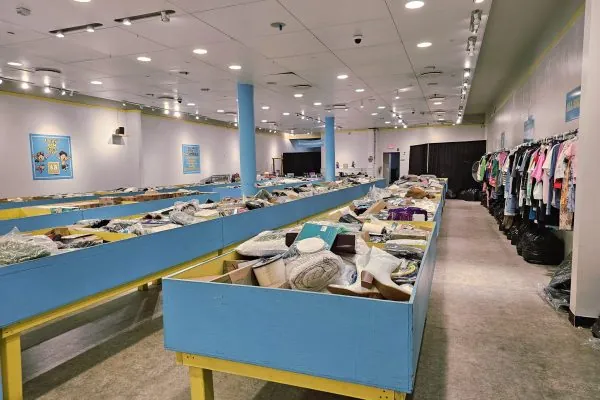
Most people show up to a bin store for the first time and just stop in the doorway. There are long folding tables everywhere, giant plastic bins overflowing with stuff, and a crowd of people sorting through it all with the focus of someone defusing a bomb. No shelves. No neat displays. No organized sections by product category. Just... bins.
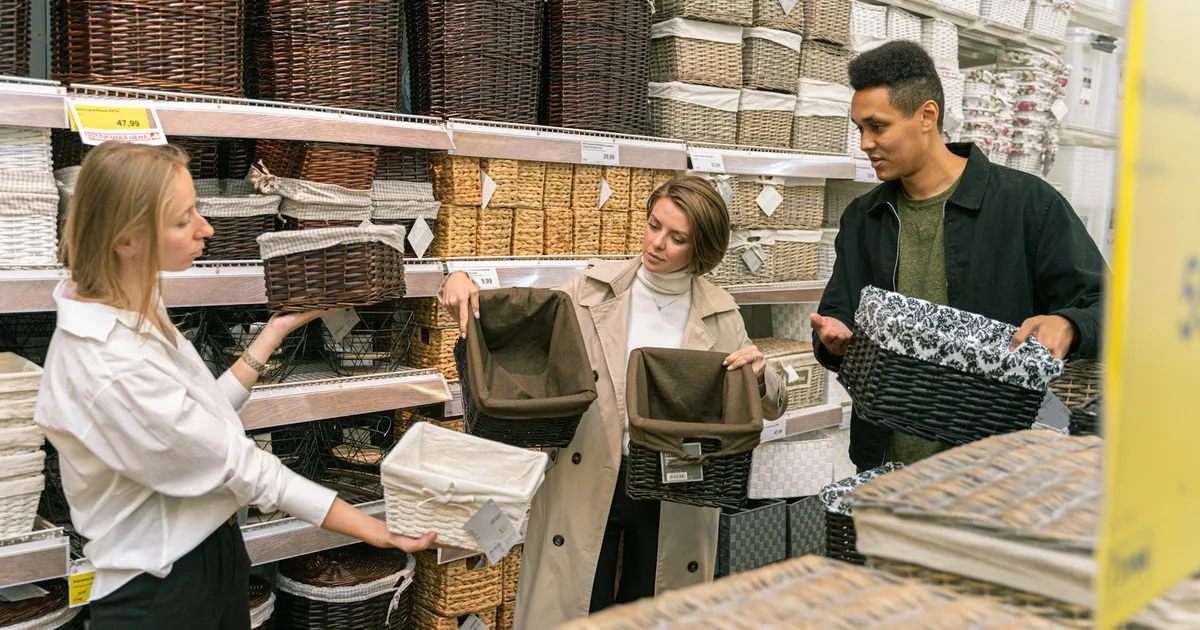
That's not a mess. That's the model.
Bin stores are retail liquidation outlets that sell overstock, returned, and shelf-pull merchandise directly to customers out of large bins, usually priced by the item or by the pound. Retailers like Amazon, Target, and Walmart generate enormous amounts of returned product every single day. Rather than restocking or destroying it, they sell it in bulk to liquidators, who then sort and sell it to the public. Bin stores are where that inventory ends up.
And honestly, it's one of the better deals in retail right now, if you know what you're walking into.
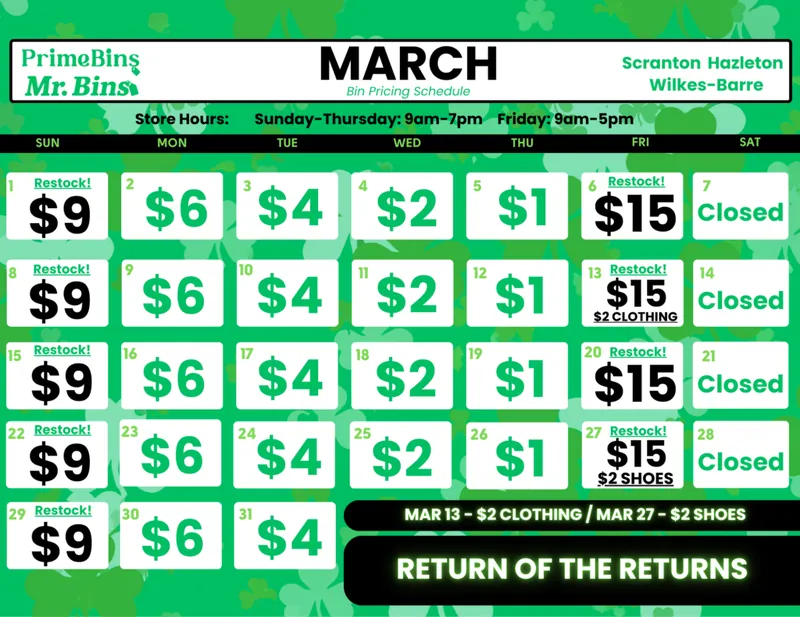
Prices are usually low. Really low. Many bin stores price everything at a flat rate per item, and some rotate their pricing throughout the week, dropping it further each day until items that haven't sold are donated or restocked. A $40 kitchen gadget might be sitting in a bin priced at $4. A name-brand tool, a sealed video game, a baby monitor still in the box. All possible. None guaranteed.
How Bin Stores Actually Work (and How They Differ from Thrift Shops)
People mix these up constantly. Bin stores are not thrift stores. They are not outlet stores either. Worth separating those out clearly.
Thrift stores like Goodwill take donated goods and price them individually. Outlet stores sell discounted merchandise directly from a brand. Bin stores deal in liquidated retail returns, which means the inventory is largely unpredictable and changes fast. A thrift store might have the same jacket on a rack for three weeks. A bin store restocks on a schedule, sometimes daily, sometimes a few times a week, and whatever doesn't move gets pulled.
That restocking schedule matters more than people realize. Most experienced bin store regulars will tell you to go on restock day, when fresh pallets hit the floor. Prices are highest that day at many stores, but so is selection. By day three or four, the price per item may have dropped significantly, but the good stuff is long gone. You have to decide which trade-off you prefer.
Wait, that's not quite right to say "the good stuff is gone" as a hard rule. Plenty of people find great items late in the week because other shoppers didn't recognize what they were looking at. Knowing product categories helps a lot here.
Bin stores also do not accept returns, in almost every case. You're buying as-is. Some items are sealed and new. Others are open-box, tested, or clearly used. A good bin store will at least let you inspect items before you buy, but nothing is coming back after you walk out the door. Factor that in before you spend real money on something you're not sure about.
What You'll Actually Find Inside
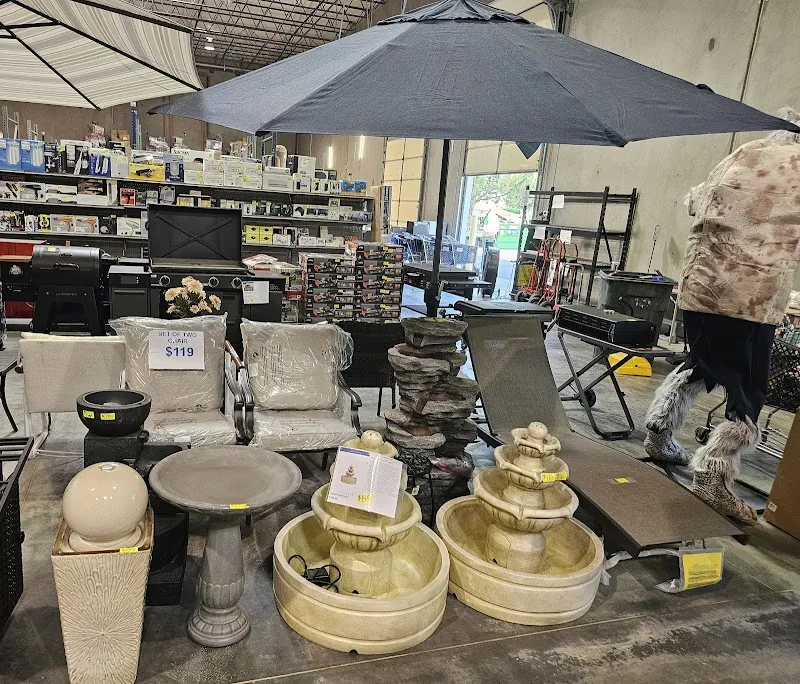
General merchandise bin stores carry a wide mix: household goods, electronics, toys, clothing, beauty products, tools, baby items, seasonal stuff. You'll see Amazon return labels. You'll see Target clearance stickers. You'll find a portable blender next to a box of birthday candles next to a single roller skate. No exaggeration.
Some bin stores specialize. There are clothing-only bin stores, electronics-focused ones, and stores that deal primarily in grocery or pantry overstock. Bin Store Pal has 1,260+ verified listings across the country, which means you can actually search by location and find what kind of store is near you before you drive out there.
Electronics bins deserve a specific mention. Items in those bins may or may not work. Chargers, earbuds, smart home devices, tablets, all common finds, all sold as-is. Bring a phone charger if you're planning to test anything. Some stores have outlets available for that reason, some don't. Ask before you assume.
Clothing bins are a different experience entirely. You're digging through folded and unfolded pieces, checking sizes and condition as you go. It's not unlike digging through a sale bin at a department store, except the prices are considerably lower and the brand variety is genuinely surprising. Some people find designer pieces. Others find bulk basics. Both are worth it depending on what you need.
Getting the Most Out of a Bin Store Visit
Go on restock day at least once just to understand the full experience. Call ahead or check the store's listing on Bin Store Pal to find out when that is. Some stores post it publicly. Others you'll need to ask about directly.
Bring a tote bag or box. Most bin stores do not provide bags, and walking out with armloads of loose items is awkward. Some stores sell bags at the register, but don't count on it.
Check the parking situation before you go, especially on restock days. Busy bin stores get genuinely crowded, and the parking lots at some of these places were clearly not designed for the volume they're now seeing. This is a small thing but it's annoyed plenty of people who didn't expect it.
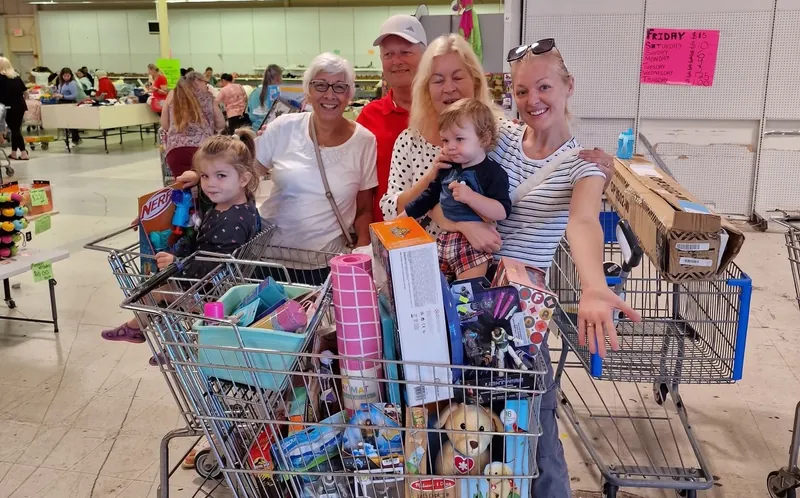
Set a budget before you walk in. Flat pricing sounds simple, but it's easy to grab item after item because each one feels like a small decision. Add them up and it stops being small. Going in with a number in mind keeps you from walking out with three broken phone cases and a fondue set you'll never use.
Bin stores reward repeat visitors more than almost any other retail format. Once you know a store's restocking schedule, its pricing rotation, and what categories it tends to carry, your hit rate on good finds goes up considerably. First visit is always a learning experience. That's fine. Go with low expectations and some flexibility, and you'll probably be surprised.