Creating a Routine for Regular Visits to Your Local Bin Warehouse
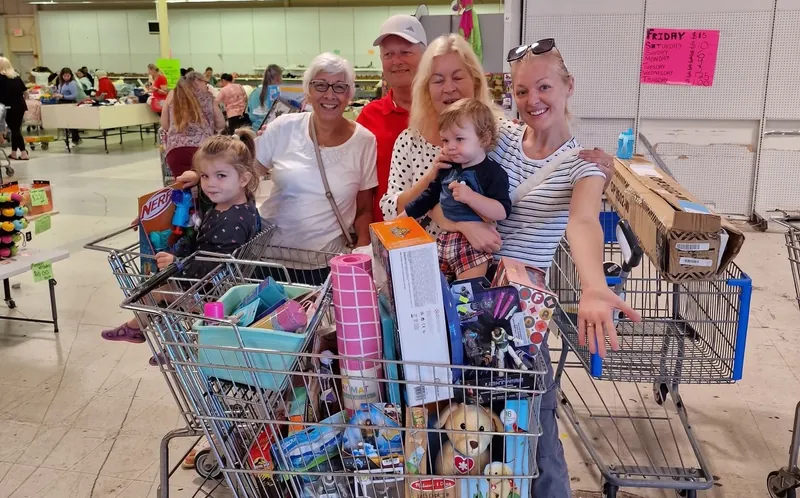
Ever wondered why some shoppers always seem to walk out of a bin warehouse with armloads of great stuff while you're left staring at a half-empty bin of tangled phone chargers?
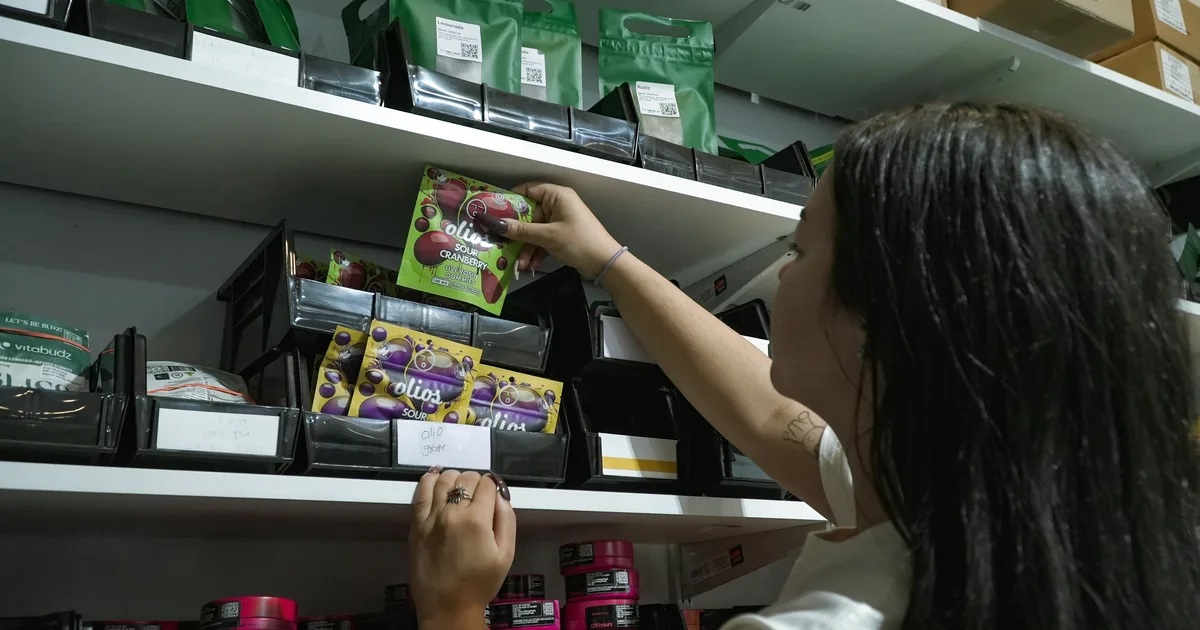
It's not luck. It's routine. Those people know exactly when to show up, what to look for, and how to move through a liquidation store with purpose. A bin warehouse, also called a bin store, bin outlet, overstock store, or Amazon return store, is the kind of place that rewards the regulars. Merchandise turns over fast, prices change by the day, and the best finds disappear within hours of a restock. If you're just dropping in randomly whenever you feel like it, you're almost always arriving too late or too early to catch the sweet spot. Building a consistent visit schedule changes that completely, and that's exactly what we're going to walk through here.
What a Bin Warehouse Actually Is (And Why It Works This Way)
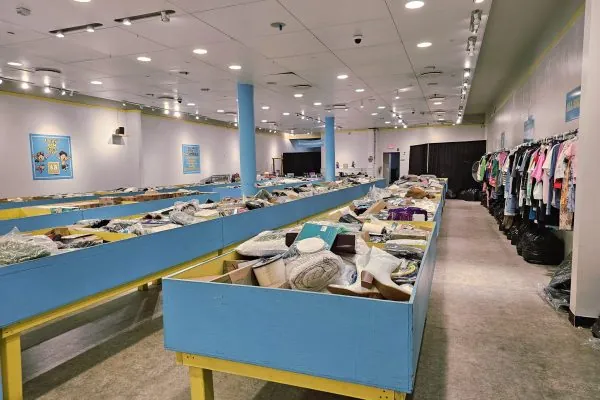
Walking into one for the first time, you might feel a little overwhelmed. Big open bins, stuff piled in every direction, no obvious organization by brand or category. It smells faintly of cardboard and warehouse air, the fluorescent lights are bright, and people are moving fast. That's all completely normal.
A bin warehouse operates on a simple but clever model. Retailers like Amazon, Walmart, and Target end up with massive volumes of returned products, overstock inventory, and shelf pulls every single day. Rather than dealing with the cost and effort of reselling each item individually, they bundle this merchandise into pallets and sell it off to liquidation companies. Those companies, your local bin shop, pallet liquidation outlet, or return pallet store, then sort through the pallets, dump the items into large rolling bins, and open the doors to the public.
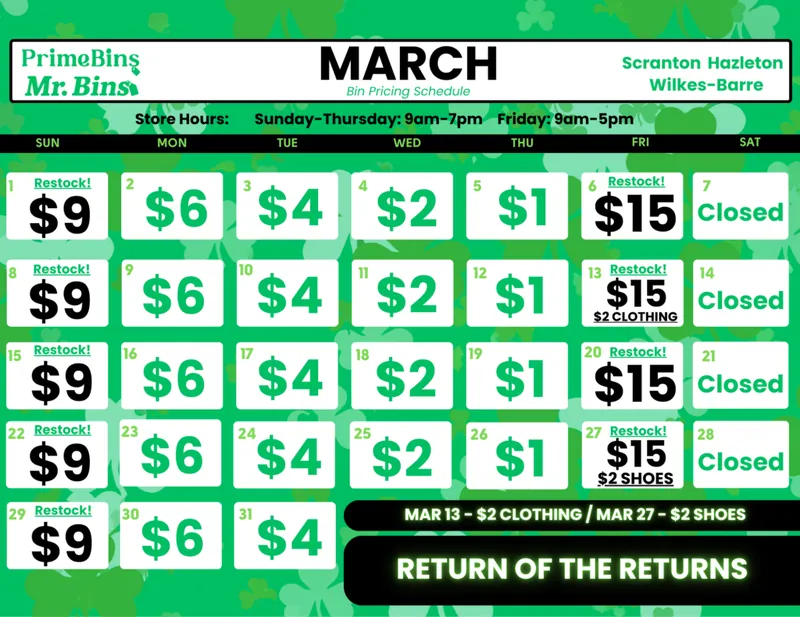
You pay by the item, not by weight or by lot. That's the key thing. Most stores have a flat per-item price for everything in the bins, and that price typically drops throughout the week as items sit unsold. A store might charge $8 per item on restock day, drop to $5 by mid-week, then $3, then $1, and finally offer a bag-sale day where you stuff as much as you can into a bag for a flat fee. Some stores run a slightly different structure, but this tiered price drop model is by far the most common.
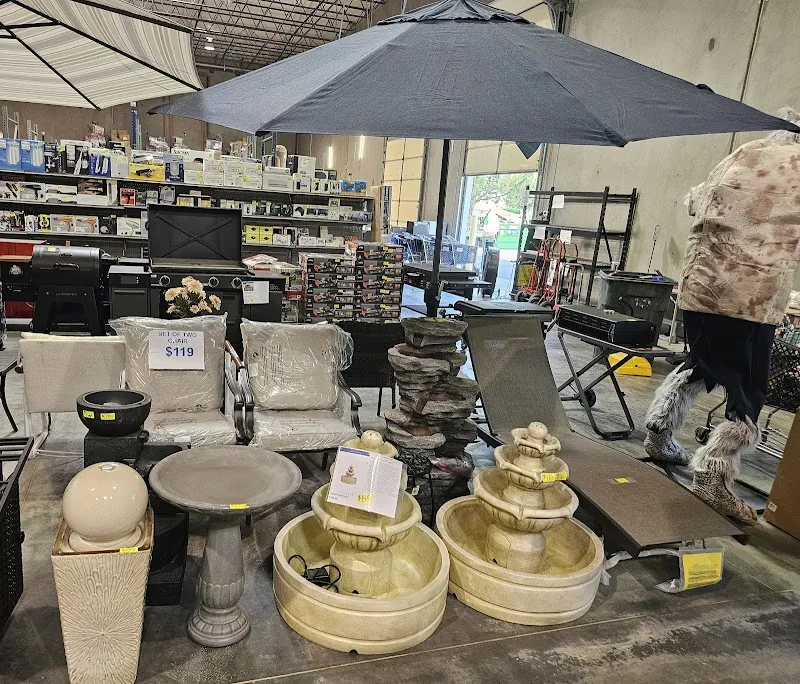
And yes, you can find genuinely good stuff. Electronics, kitchen appliances, name-brand clothing, toys, tools, books, beauty products, pet supplies. The variety is real. Sometimes you pull out a $200 blender still in the original box. Sometimes it's a pile of single socks. That unpredictability is half the appeal.
The Bin Warehouse Industry Is Bigger Than You Think
Bin Store Pal currently lists 1,260 bin warehouse businesses across the country. That number is not a rounding estimate. That's how many individual stores are out there operating in this space, and it reflects how quickly this retail model has grown from a niche thing into a full-on shopping category that most cities now have access to.
Honestly, 1,260 is more than most people expect when they hear "bin store." It signals that this isn't some fringe trend anymore.
Across all those listings, the average customer rating sits at 4.2 stars. For a type of store where you're buying unsorted returns without guarantees, that's genuinely strong. It means shoppers are consistently leaving satisfied, which tells you a lot about how well-run most of these places are. Some individual stores hit even higher marks. The Other Side Thrift Boutique in Millcreek, Utah holds a 5.0-star average across 5,092 reviews, which is an almost absurd level of sustained customer satisfaction. Deals Outlet Bin Store has two locations earning 5.0 stars, one in Tallahassee, Florida with 1,565 reviews and another in Gainesville, Georgia with 667 reviews. Bin Fest in Deerfield Beach, Florida also carries a perfect 5.0 across 382 reviews.
City-wise, Las Vegas leads with 22 listings, followed by New York with 17, Phoenix with 14, Colorado Springs with 13, and Honolulu with 12. If you're in any of those cities, you have real options for building a multi-store rotation rather than being locked into just one location.
| Store Name | Location | Rating | Reviews |
|---|---|---|---|
| The Other Side Thrift Boutique | Millcreek, UT | 5.0 ★ | 5,092 |
| Deals Outlet Bin Store | Tallahassee, FL | 5.0 ★ | 1,565 |
| Deals Outlet Bin Store | Gainesville, GA | 5.0 ★ | 667 |
| Bin Fest | Deerfield Beach, FL | 5.0 ★ | 382 |
| The UPS Store | Pasadena, MD | 5.0 ★ | 172 |
Finding and Vetting a Bin Store Near You
Before you can build any kind of routine, you need to find the right store. Not just the closest one, the right one. There's a difference.
Start with Bin Store Pal's directory. You can search by city or zip code and pull up every listed bin warehouse, bargain bin outlet, and discount retail location in your area. Look at the reviews first, not just the star rating but the actual text. People who shop bin stores regularly write specific reviews. They mention restock days, staff helpfulness, how organized the bins are, whether the pricing is fair. That detail is gold when you're trying to decide if a place is worth your time before you even walk in.
Pay attention to whether the store has active social media. Most good bin outlets post restock announcements on Facebook or Instagram, sometimes even TikTok. If a store's last Facebook post was eight months ago, that's a yellow flag. Active social media usually means active management, which usually means better inventory rotation and a cleaner store.
Visit at least twice before you commit to a routine. Seriously, two or three visits tells you so much more than one. Your first visit, you're just getting oriented. You're figuring out where things are, how many bins they have, what the staff are like. By your second visit, you can start to see how the inventory moves, whether the prices actually drop like they're supposed to, and whether there's enough variety to keep you coming back.
Before adding any bin warehouse to your regular rotation, check for: a posted or communicated restock schedule, active social media in the last 30 days, a clear pricing structure by day (not vague "prices vary" language), readable reviews that mention specific inventory types, and staff who can answer basic questions about when new stock arrives.
If you're in a city with multiple listings, like Las Vegas with its 22 options, consider running two or three stores in parallel while you figure out which one fits your schedule and shopping style best. Some people end up loyal to one location. Others build a two-store rotation that covers different restock days and gives them twice the chances at fresh inventory.
Building a Routine That Actually Sticks
This is where most casual bin shoppers drop the ball. They find a store they like, go a few times, and then just... stop being consistent. The routine is what makes the difference between someone who scores great deals and someone who goes twice a year and wonders why they never find anything good.
Step one is knowing the restock day. Ask directly. Walk up to any staff member and say, "What day do you guys put out new inventory?" Almost every bin store employee will tell you without hesitation. It's not a secret. Some stores restock once a week, usually Monday or Tuesday. Others do it twice a week. Once you know that day, that's your anchor visit, the one you plan everything else around.
Here's a sample framework that works well for most people. Say your bin warehouse restocks on Tuesday mornings. You go Tuesday, ideally within the first two hours of opening, to get first pick of the new merchandise. This is when you'll find the most complete items, the best electronics, the stuff with all its pieces still together. Prices are highest on restock day, but so is the quality and selection. Then you come back Thursday or Friday, when prices have dropped to the mid-week tier. By then a lot of the obvious stuff is gone, but patient shoppers often find things the Tuesday crowd overlooked. If the store runs a bag-sale day on Sunday or Monday, that's your third visit, great for stocking up on low-stakes items like books, kitchen tools, or clothing.
Bring a budget and stick to it. Set a firm ceiling before you walk in, not a vague "I'll try not to spend too much" ceiling, an actual number written on your phone or on a piece of paper. Bin stores are genuinely fun to shop in, which makes it easy to keep grabbing things without realizing how fast the total is climbing. A $40 cap per visit keeps things sane and forces you to prioritize.
Also think about time. Most experienced bin shoppers can work through a decent-sized store in 45 minutes to an hour. If you're spending three hours, you're probably browsing aimlessly. Set a timer if you have to. Move with intention, hit the categories you care most about first, and don't linger over things you'd never actually use at home.
If your budget stretches for other types of discount shopping on the same day, pairing a bin store run with a stop at a salvage grocery outlet near you is a genuinely efficient way to cut household costs across two categories in one trip. Different product type, same mindset about buying smart rather than paying full retail.
Maximizing Value on Every Single Visit
Knowing when to go is half the battle. Knowing what to do when you get there is the other half.
Inspect before you commit. Pick up the item, turn it over, open the box if there is one, check for missing parts or obvious damage. For electronics, see if you can test it on the spot. Some bin warehouses have a power strip at the front counter specifically for testing small appliances and devices. If the store has one, use it. You don't want to get home and find out the blender has no blade assembly.
Ask about the return policy before your first purchase. Most bin stores sell everything as-is, no returns, which is totally standard for this retail model. But some do allow returns within 24 or 48 hours on electronics. Knowing this upfront changes how aggressively you're willing to take a chance on an item.
Bring reusable bags. Most bin stores don't hand out bags for free, or if they do, they're flimsy plastic that won't hold up under the weight of what you're carrying. A couple of sturdy canvas totes fit in your back pocket and make moving through the store much easier. Wear clothes you're comfortable crouching and reaching in, because you'll be doing a lot of both. Good shoes matter too. Concrete floors, long visits, lots of standing.
Download a price-checking app like Amazon's built-in scanner or Google Lens before you go. You can scan a barcode or take a quick photo to see what an item sells for retail, which helps you decide in about ten seconds whether something is worth grabbing. A $7 item on bin day that retails for $65 is a no-brainer. A $7 item that retails for $9 is not worth the space in your bag.
Get to know the staff. This is underrated. Regular customers who chat with employees and are polite and easy to deal with sometimes get small advantages: a heads-up that a pallet of electronics is going out tomorrow, or a note that the store is doing a special sale event next weekend. It costs nothing and it makes visits more enjoyable. Bin warehouse workers deal with chaotic crowds all day; being a genuinely friendly face goes a long way.
Reusable tote bags (at least 2), a charged phone with a barcode scanner app, a written or saved budget ceiling, a short list of household items you actually need, comfortable shoes, and optionally a small flashlight for checking items in deep bins with poor lighting. Some people also swear by a small notepad to jot down things they decided against but want to research before the next visit.
Speaking of wellness-focused hobbies that pair oddly well with the bin store mindset, a surprising number of budget-conscious people who frequent bin outlets are also into recovery routines that don't cost a fortune. If that sounds like you, it might be worth exploring cold plunge and ice bath facilities in your city as a way to balance the physical energy of a long shopping session with some solid recovery time afterward. Different worlds, same philosophy of getting real value without overspending.
Frequently Asked Questions About Visiting Bin Warehouses
How often should I visit my local bin warehouse?
For most people, two visits per week hits the sweet spot. One visit on or right after restock day to get first access to new inventory, and one visit mid-week to catch reduced prices on what's left. If the store runs a bag-sale day, that's worth adding as a third visit once a month or so. Going more than three times a week is usually overkill unless you're reselling items for profit.
What is the best day to visit a bin store?
Restock day, hands down. Most stores restock on Monday or Tuesday, but this varies by location. Ask the staff directly or follow the store's social media for restock announcements. Arriving within the first one to two hours of opening on restock day gives you the best selection at any bin outlet or return pallet store.
Is it safe to buy electronics from a bin warehouse?
It can be, with some caution. Always test electronics if the store allows it. Check for visible damage, missing cables, or cracked screens before buying. Most Amazon return stores sell electronics as-is without any warranty, so you're taking a chance. Checking the retail value with a price app first helps you decide if the risk is worth the potential savings.
How do I find a bin store near me?
Bin Store Pal's directory lists over 1,260 bin warehouses, overstock stores, and pallet liquidation outlets across the country, searchable by city or zip code. From there, check each listing's reviews and look up their social media before visiting. Cities like Las Vegas (22 listings), New York (17), and Phoenix (14) have plenty of options if you want to shop around before settling on a favorite.
Can I resell items I buy at a bin warehouse?
Yes, and plenty of people do. Buying from a bargain bin outlet and reselling on eBay, Facebook Marketplace, or Poshmark is a real side income strategy for experienced shoppers. If you go this route, the price-checking app becomes even more important, and you'll want to visit on restock day consistently to get first access to the items with the highest resale margins.
What should I do if a store's inventory quality seems low?
Give it one or two more visits before writing it off. Inventory quality at any liquidation store varies week to week depending on what pallets came in. A bad week does not mean a bad store. That said, if three or four consecutive visits yield mostly damaged goods with nothing worth buying, it might be time to check Bin Store Pal for another location in your area.
Building a routine around your local bin warehouse is one of the more satisfying budget habits you can develop. It's tactile, it's unpredictable in the best way, and it genuinely rewards consistency in a way that most other types of shopping just don't. Once you know the restock rhythm, you've got a system. Once you've got a system, you've got an edge. And once those 5.0-star store experiences start showing up in your own visits, you'll understand exactly why 1,260 of these places are thriving across the country.
More Ways to Save
Find a Bin Warehouse Near You
Browse our directory of 1,260+ bin stores, liquidation outlets, and overstock stores across the country. Search by city or zip code and start building your routine today.
Search the Directory