Amazon Return Stores Are Not What Most People Expect
Most people assume these places are basically a discount bin with a few scratched-up gadgets and some mismatched socks. That is not quite right. Amazon return stores carry an enormous range of products, often in perfectly good condition, and the experience inside is genuinely different from almost any other type of retail you've tried before.
So what actually goes on at an Amazon return store, and how do you know what you're walking into? Let's break it down.
What an Amazon Return Store Actually Is
Amazon processes millions of returned items every year. Some go back to regular inventory. Others get sorted, palletized, and sold in bulk to third-party buyers who then open physical storefronts to resell them directly to the public. Those storefronts are what people call Amazon return stores.
They're not affiliated with Amazon itself. That surprises a lot of first-timers, honestly. You won't find Amazon branding on the windows or any official connection to the company. These are independently owned businesses that buy Amazon return pallets and pass the savings along to you.
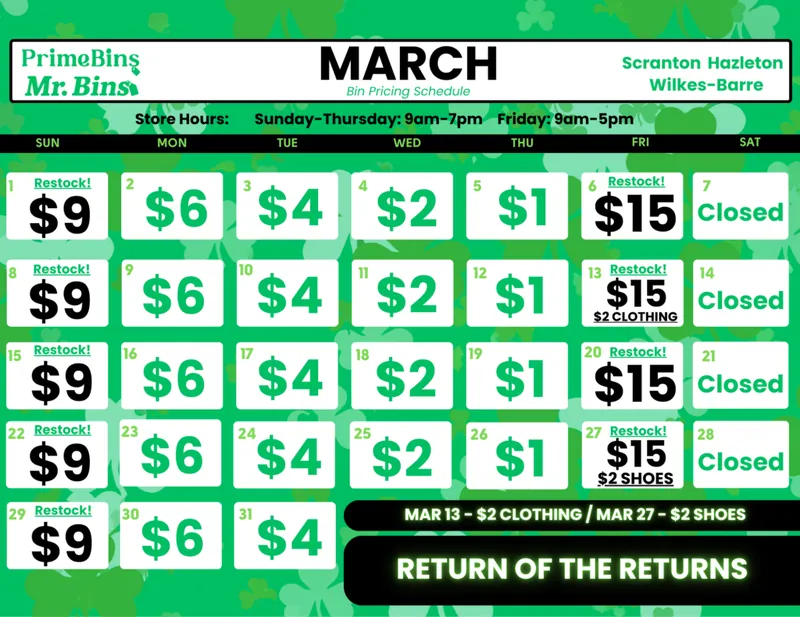
Prices vary a lot depending on the store format. Some Amazon return stores price items individually. Others operate on a bin model, where everything in the store costs the same flat price per item, and that price drops throughout the week as new inventory rolls in. Both formats exist, and you'll find examples of each in directories like Bin Store Pal, which has 1260+ verified listings across the country.
One practical note: call ahead before your first visit. Hours can be irregular, especially on the days when fresh pallets arrive and the store is still being sorted.
What to Expect When You Walk In
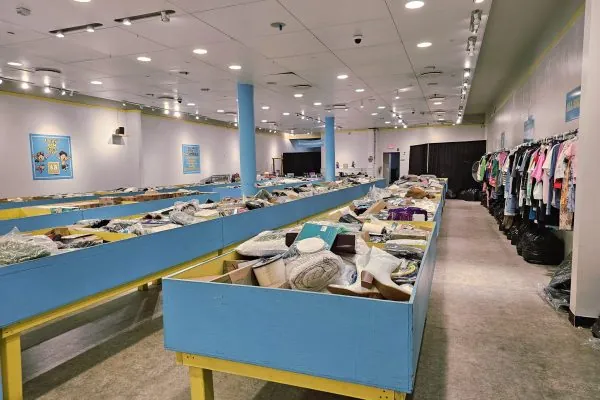
Walking into one for the first time, the visual experience can feel a little chaotic. Bins of unsorted items. Shelves stacked inconsistently. Products still in original packaging next to things that've clearly been opened and tested. That's normal. It's part of the format.
You might find a brand-new Instant Pot next to a single Bluetooth earbud with no box. That's just how return inventory works.
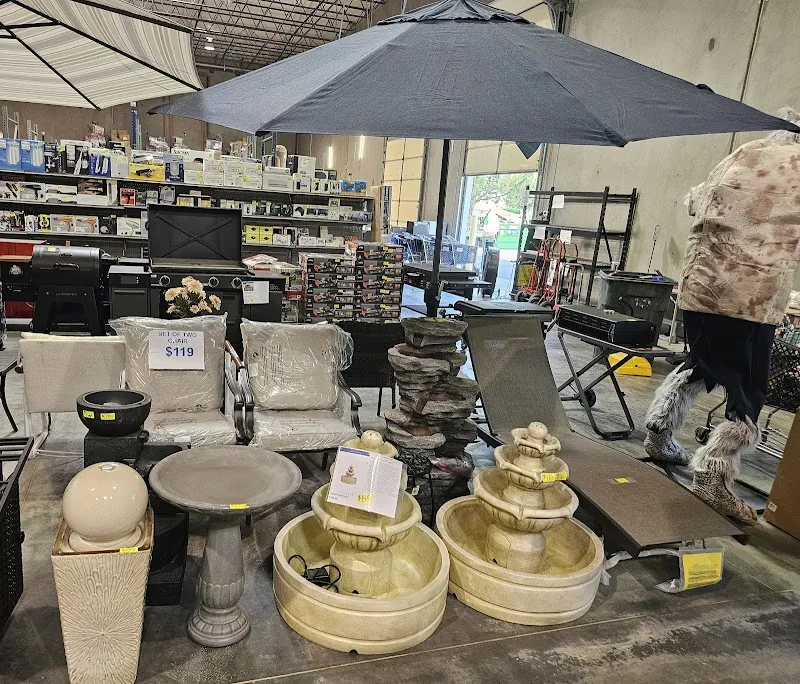
Most Amazon return stores do some level of sorting before items hit the floor, but it varies by location. Some stores are surprisingly organized, with products grouped by category: electronics in one section, kitchen items in another, toys, clothing, tools. Other places are more of a free-for-all. Neither approach is better, exactly. Organized stores are easier to browse quickly. Unsorted stores sometimes yield better finds because fewer people bother to dig.
Condition is another variable worth understanding. Items are typically labeled as new, like new, open box, or used. Not every store uses consistent labeling, so it's worth picking things up, checking for damage, and using your own judgment. Most stores do not accept returns, which makes that hands-on inspection important before you commit.
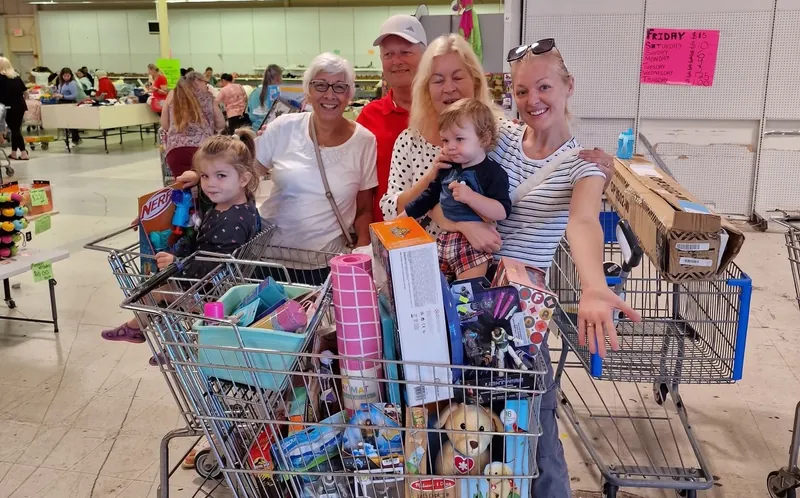
And yes, the parking lots at these places are often genuinely packed on restocking days. Some regulars figure out the restock schedule and plan around it like it's a sport.
How Amazon Return Stores Differ from Similar Store Types
People sometimes lump Amazon return stores in with liquidation stores, thrift shops, and bin stores. There's overlap, but the differences matter.
Thrift stores like Goodwill source inventory from donations. The product mix is completely unpredictable and the quality standard is inconsistent. Amazon return stores, by contrast, deal mostly in relatively recent consumer products. You're less likely to find a 1987 crockpot and more likely to find last year's kitchen gadget that someone bought and never used.
Liquidation stores are closer in concept but often source from multiple retailers, not just Amazon. Their inventory might include shelf pulls, overstock, or store returns from big-box chains. Amazon return stores specifically deal in Amazon-sourced merchandise, which means you'll see a heavy concentration of electronics, household goods, and items that were popular enough to sell on Amazon in the first place.
Bin stores operate on that flat-price-per-item model mentioned earlier, and some Amazon return stores operate this way too. But not all of them do. A standard Amazon return store might price things individually based on assessed value, much closer to a traditional discount retailer. If the bin format is what you're after, it's worth checking the listing details before making the drive.
I would pick an Amazon return store over a general liquidation outlet almost every time if I'm specifically hunting electronics or household items. The inventory tends to be more focused and more recent.
Tips for Getting the Most Out of a Visit
Go early in the restock cycle. Most Amazon return stores have a set day when new pallets hit the floor, and the first few hours of that day are when selection is best. Ask the staff when they restock. Most are happy to tell you.
Bring cash if you can. Some smaller locations charge a card processing fee, and a few are cash only.
Set a budget before you go in. It sounds obvious, but the format is genuinely designed around impulse. Prices are low enough that it's easy to add one more thing, and then another, and then you're carrying a kitchen mixer you don't need. Been there.
Check for missing parts on anything electronic or mechanical. A returned item might look perfect in the box but be missing a charging cable, a remote, or a key component. Most stores will not refund you for that.
Finally, do not go in with a specific item in mind. You will be disappointed. Go in with a category or a budget, stay flexible, and let the inventory surprise you.
Frequently Asked Questions
- Are Amazon return stores officially connected to Amazon? No. They are independently owned businesses that buy Amazon return pallets from liquidators or wholesale brokers.
- Can I return items I buy at an Amazon return store? Most do not accept returns. Check the store's policy before buying.
- Are the products guaranteed to work? Not always. Condition varies. Inspect items carefully before buying, especially electronics.
- How do I find a good Amazon return store near me? Bin Store Pal's verified directory is a practical starting point. Filter by location and check the ratings and reviews left by other visitors.
- What's the difference between a bin store and an Amazon return store? Some Amazon return stores operate as bin stores with flat pricing. Others price items individually. In practice, the sourcing may be similar, but the format inside can be quite
More Ways to Save