A Comprehensive Guide to Discount Retail: What You Should Know
You're driving past a strip mall you've passed a hundred times, and something catches your eye: a storefront with a hand-painted sign that says "Bin Store, Everything $3 Today." You pull in, not sure what to expect, and walk out an hour later with a KitchenAid blender, two name-brand hoodies, and a set of Bluetooth earbuds, total cost, less than twenty dollars. That experience is exactly why discount retail has exploded in popularity over the last decade, and why so many people who stumble into a bin store once become regulars for life.

Discount retail is a broad category. It covers everything from the classic bargain bin at a dollar store to full-scale liquidation warehouses the size of a big-box retailer. In between, you've got bin outlets, overstock stores, Amazon return stores, return pallet stores, and pallet liquidation shops, each with its own logic, its own quirks, and its own loyal fanbase. This guide is for anyone who wants to understand how these stores actually work, what to expect walking in, and how to shop smart so you come home with genuinely good deals instead of a bag of someone else's broken stuff.
What Is Discount Retail? Understanding the Different Store Types
Retail has always had a secondary layer. Long before e-commerce, department stores ran clearance sections, and wholesale clubs moved overstock pallets to small resellers. But the rise of Amazon, the growth of online returns culture, and the sheer volume of goods moving through the American supply chain changed things dramatically. Returned merchandise alone now accounts for hundreds of billions of dollars in product value every year. All that stuff has to go somewhere, and a whole ecosystem of stores has grown up around that fact.
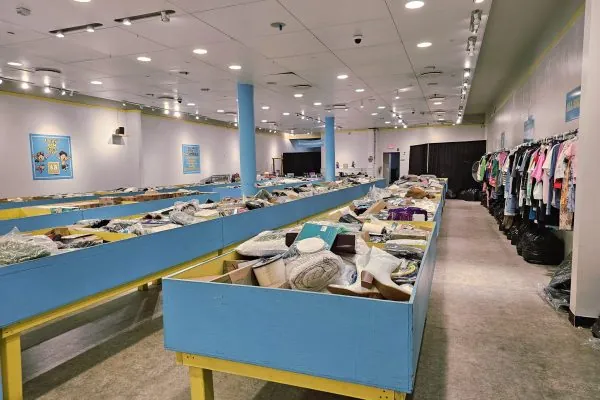
A bin store (also called a bin shop, bin outlet, or bin warehouse) is probably the most recognizable format. Products are dumped into large flat bins, sometimes sorted loosely by category, sometimes not sorted at all, and customers dig through them to find what they want. Prices are usually flat-rate per item rather than by category, which means a $200 piece of kitchen equipment might sit in the same bin as a $5 phone case, both priced at $3. That's the whole game.
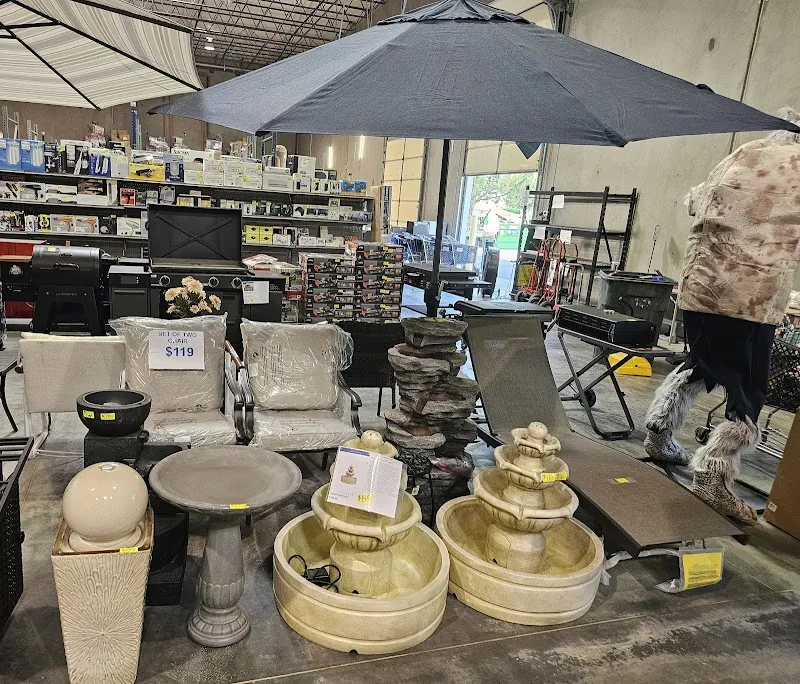
A liquidation store operates a little differently. These stores typically buy merchandise in bulk from retailers, manufacturers, or third-party liquidators, then resell individual items at steep markdowns. You'll often see cleaner organization, price tags on individual products, and a more traditional retail layout. An overstock store is similar but focuses specifically on surplus inventory: goods that were manufactured or ordered in quantities that never sold through normal retail channels. Think brand-new items, original packaging, but often last season's model or a color nobody wanted.
Then there are Amazon return stores and return pallet stores, which have gained serious traction in the last few years. Amazon processes an enormous volume of customer returns daily. Some of those items get resold directly, but a large portion gets bundled into pallets and sold wholesale to liquidators. Those liquidators either break the pallets down and sell items individually, or sell the whole pallet to small resellers who then run their own bin shops. It's a long chain, but the end result is that a customer in a small Georgia town can buy an opened box of Sony headphones for $8 that originally sold for $89.
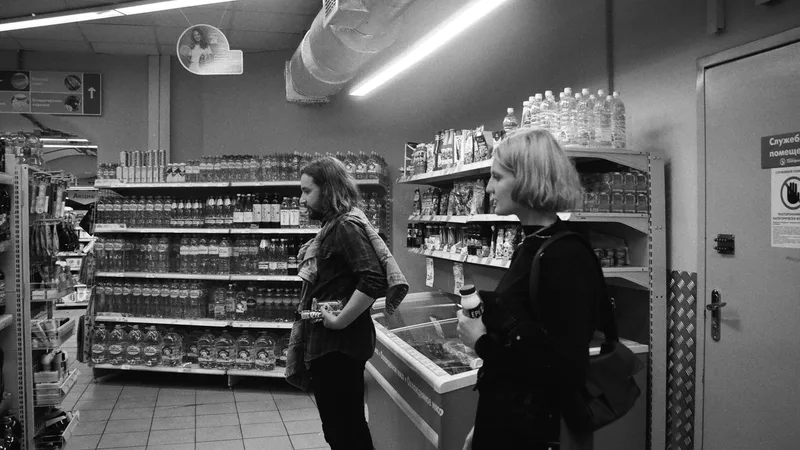
Knowing which type of store you're walking into matters a lot. A pallet liquidation shop might sell items by the box or by the lot, not individually, which is completely different from a bin store where you pay per item. If you show up expecting a bargain bin free-for-all and instead find a warehouse selling wholesale lots, you might spend $200 without meaning to. Worth knowing before you walk in.
How Bin Stores and Liquidation Stores Work
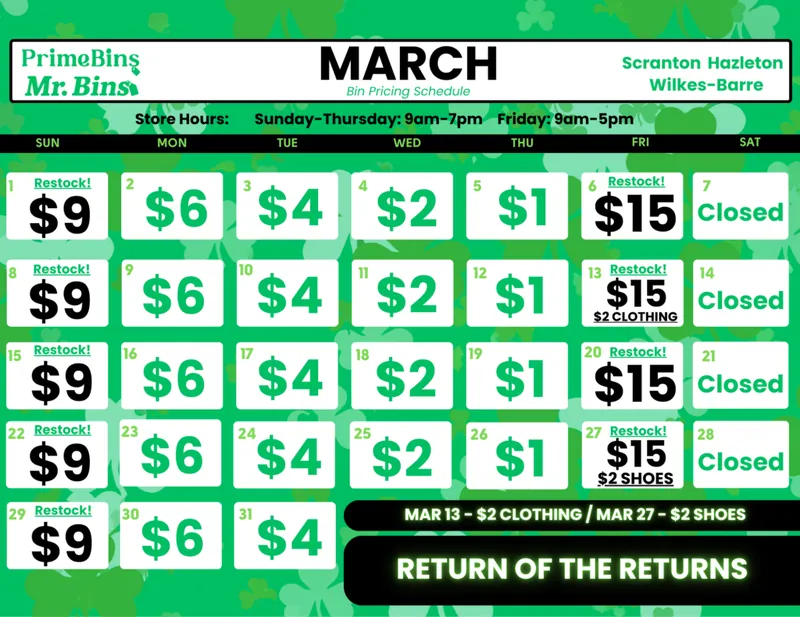
Most bin stores run on a countdown pricing model, and once you understand it, your whole shopping strategy changes. Here's the basic version: on restock day (often Monday or Tuesday, though it varies by store), every item in the bins is priced at the highest rate, maybe $7 or $8 per item. Each day that passes, the price drops. By the end of the week, you might be paying $1 or even 50 cents per item for whatever's left. Some stores do this on a weekly cycle; others spread it over two weeks.
Early-week shoppers get the best selection. Late-week shoppers get the lowest prices. Neither approach is wrong, it just depends on whether you're hunting for specific things or shopping for volume. If you're looking for electronics or name-brand items, go early. If you want to fill bags with household goods and don't care much what you find, go late when everything's a dollar and the bins are picked over but still interesting.
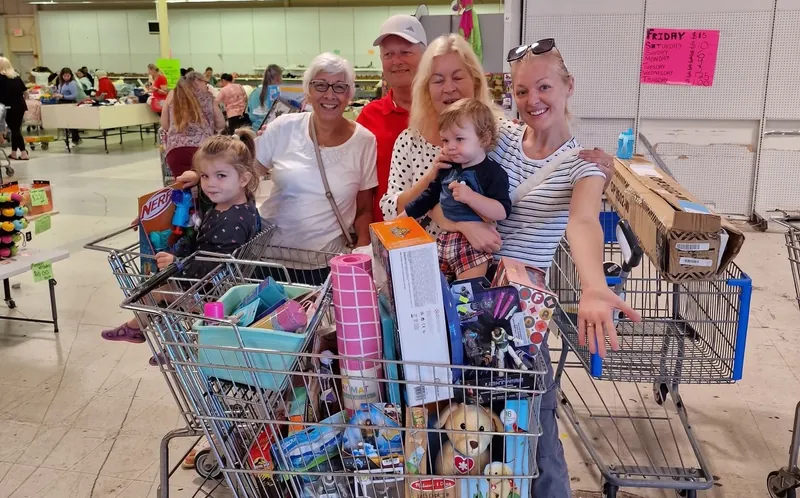
And honestly, restock day at a popular bin store is a whole scene. People line up outside before the doors open. It's not unusual to see carts overflowing within the first ten minutes. Some regulars treat it like a sport, and in a way, it kind of is.
What's actually in the bins? That depends heavily on where the store sources its inventory. Common categories include electronics and accessories, household goods, toys, clothing, beauty products, books, tools, and general merchandise. A store that pulls primarily from Amazon return pallets will skew heavily toward consumer electronics and small appliances. A liquidation store sourcing from department store overstock might have a lot more clothing, bedding, and decor. Some stores get mixed pallets with no theme at all, and those are genuinely unpredictable in the best way.
Pallet liquidation stores that sell in bulk operate differently from bin shops. You might buy a manifest pallet (where you get a list of what's supposedly inside) or a mystery pallet (where you're buying blind). Manifest pallets cost more but carry less risk. Mystery pallets are cheaper and more exciting, though "exciting" sometimes means "disappointing." Many small resellers buy these pallets, sort through them, and then run their own bin sales, which is how the whole ecosystem keeps spinning.
Call the store ahead or check their social media before your first visit. Most bin stores post their restock days and current pricing on Facebook or Instagram. Knowing that Monday is $8-per-item day and Friday is $1-per-item day can completely change how you plan your trip.
Return policies at these stores are usually minimal to nonexistent. Most bin shops and liquidation outlets sell everything as-is, all sales final. That is not a policy they're likely to budge on, because the margins are already thin and the inventory is unpredictable by nature. Know that going in.
The Benefits of Shopping at Discount and Liquidation Stores
The obvious draw is price. Savings at a well-stocked bin store or liquidation outlet can be dramatic, sometimes 80 to 90 percent off what you'd pay at retail. A $120 cast iron skillet for $6. A $60 action figure set for $4. These are real prices that real shoppers find, not marketing exaggerations. Obviously not every visit yields a windfall, but the possibility is always there, and that possibility is genuinely addictive.
There's also an environmental argument that doesn't get talked about enough. Returned merchandise has a dirty little secret: a huge percentage of it never gets resold through normal retail channels. Instead, it gets destroyed or sent to landfills, because processing and restocking individual returns is expensive. Discount retail stores, bin warehouses, and liquidation outlets interrupt that pipeline. By buying returned and overstock goods, shoppers are keeping usable products in circulation longer. It's a more honest form of sustainability than buying a "green" product at full price from a company that shipped it from overseas in a container ship. If you want to stretch this idea further, salvage grocery options in your area work on the same principle for food items, surplus, near-date, or cosmetically imperfect groceries sold at steep discounts instead of being wasted.
But let's be real: most people aren't going to a bin store primarily because of sustainability. They're going because it's fun. The unpredictability of the inventory creates a genuine treasure hunt feeling that regular retail just cannot replicate. You don't know what's going to be in those bins. You might find a $300 Dyson vacuum for $12, or you might find forty spatulas and a broken alarm clock. Either way, there's a low-level thrill to the whole process that keeps people coming back week after week.
Name brands show up constantly. Instant Pot, Lego, Apple accessories, Nike, KitchenAid, because these stores source directly from major retailers and e-commerce returns, the inventory often reflects what those retailers actually sell, which is mostly recognizable brands. That's different from what most people expect when they picture a bargain bin.
What to Know Before You Shop: Tips for First-Time Visitors
Go in with a flexible mindset but some basic preparation. Cash is preferred at many smaller bin stores and liquidation shops, though most accept cards too. Bring your own reusable bags or boxes, because a lot of these places don't provide bags or charge for them. Wear comfortable shoes. Sounds obvious, but bin stores often involve standing and bending for extended periods, and the floors can be concrete. You are going to be on your feet.
Set realistic expectations about item condition. This is the big one for first-timers. Return merchandise is return merchandise. That means items may be missing original packaging, could have cosmetic damage, might be missing one component, or could be broken entirely. Most stores don't test items before putting them in the bins. Some stores do sort inventory and pull out clearly broken goods, but many don't. Inspect everything carefully before you decide to buy it. Check for completeness, visible damage, and whether the item even makes sense for you to take home half-assembled.
Electronics deserve extra scrutiny. A returned laptop or tablet could be perfectly functional, or it could be missing a charger, have a cracked screen hidden under a case, or fail to power on. If a bin store doesn't have a testing station or doesn't allow you to test electronics, you're buying on faith. Sometimes that faith pays off. Sometimes you take home a brick. Factor that into what you're willing to spend.
Bring: reusable bags or a laundry basket, cash (plus a card as backup), your phone for quick price lookups on items you're unsure about, and a rough sense of what you're hoping to find. Leave behind: rigid expectations about finding a specific item.
Look up the store's markdown schedule before you go, and plan your visit accordingly. If the store marks down 50% on Thursday and you go on Wednesday, you might kick yourself. Most stores post this online or will tell you on the phone. Also worth asking: do they have a loyalty program, do they notify regulars about upcoming inventory themes, and when exactly does restock happen. Regulars at popular bin outlets often have a whole network of tips they share, and being friendly with the staff goes a long way toward getting those inside scoops.
One more thing: bring a phone charger or portable battery if you plan to look items up. You're going to want to check retail prices on things, look up model numbers, or search for reviews on items you find. Doing that on a dead phone is frustrating, and it happens.
Discount Retail by the Numbers: Industry Data and Directory Insights
Bin Store Pal currently lists 74 businesses across its directory, and a few numbers stand out immediately. First, the average customer rating across all listings is 4.2 stars out of 5. That's actually pretty impressive for a retail category that involves unpredictable inventory, minimal return policies, and a shopping experience that's inherently chaotic. It suggests that shoppers walking into these places generally leave happy, or at least satisfied enough to leave a positive review, which is saying something.
Geographically, the directory data tells an interesting story. Tucson and Phoenix each have 3 listings, Greensboro and Huntsville each have 2, and Mesa rounds things out with 2 as well. That Southwest concentration in Arizona makes sense given the region's large population centers and high volume of e-commerce activity. But seeing Greensboro and Huntsville in the mix is telling: these are mid-sized Southern cities with strong working-class consumer bases and a culture of value shopping that goes back generations. Bin stores and liquidation outlets aren't just a coastal trend or a big-city phenomenon. They're growing in exactly the kinds of communities where stretching a dollar matters most.
Among the top-rated businesses in the directory, Deals Outlet Bin Store in Gainesville, GA stands out with a perfect 5.0 rating across 662 reviews. That's not a fluke. Getting 662 people to leave reviews, most of them positive, means consistent execution over a long time. TBS Liquidation in Augusta, GA also holds a 5.0 rating, as does Bargain Bin in Deer River, MN and Liquidation Center by Perrona in Buckeye, Arizona (both with smaller review counts but perfect scores). Primo Liquidation LLC in Phoenix, Arizona sits at 4.9 stars across 38 reviews, which is strong by any retail standard.
| Business Name | Location | Rating | Reviews |
|---|---|---|---|
| Deals Outlet Bin Store | Gainesville, GA | 5.0 ★ | 662 |
| TBS Liquidation | Augusta, GA | 5.0 ★ | 21 |
| Bargain Bin | Deer River, MN | 5.0 ★ | 1 |
| Liquidation Center by Perrona | Buckeye, AZ | 5.0 ★ | 1 |
| Primo Liquidation LLC | Phoenix, AZ | 4.9 ★ | 38 |
Deals Outlet getting 662 reviews at a perfect score is the kind of result that takes years and real community goodwill to build. That store's probably got people driving past three other bin stores to get to it. Worth looking up if you're anywhere near Gainesville.
What the directory data doesn't capture, but what's obvious to anyone who's spent time in this space, is how fast new stores are opening. In practice, the bin store and liquidation store format has relatively low startup costs compared to traditional retail, the supply of returned and overstock merchandise isn't shrinking, and consumer appetite for deep discounts is only growing. New listings show up in the Bin Store Pal directory regularly, and cities that currently have one or two listings will probably have five or six within a few years. If your city doesn't have a strong discount retail scene yet, give it time.
Shoppers who want to extend this value-hunting mindset beyond general merchandise should know that similar models exist for food. Just like a bin store sources returned goods from retailers, some grocery stores specialize in surplus and near-date food products at big markdowns. It's the same logic applied to a different product category, and the savings can be just as real.
Frequently Asked Questions
What is a bin store, exactly?
A bin store is a discount retail shop where merchandise (usually customer returns or overstock items) is placed in large flat bins and sold at a flat per-item price. Prices typically decrease throughout the week as new inventory rotates in, making timing your visit an important part of the strategy.
Are the items in liquidation stores used or broken?
It varies. Some items are brand new, never opened, and simply overstock. Others are customer returns that may have been opened, used briefly, or returned with missing parts. Bin stores and liquidation outlets generally sell items as-is, so inspecting before buying is essential.
Can I return something I bought at a bin store?
Most bin stores and liquidation shops have an all-sales-final policy. Returns are rarely accepted because the inventory is priced to reflect its uncertain condition. Check the specific store's policy before you buy anything you're unsure about.
How do I find bin stores or liquidation stores near me?
Directories like Bin Store Pal list verified discount retail businesses by location. You can search by city or state to find bin warehouses, overstock stores, Amazon return stores, and pallet liquidation shops in your area. Checking Google Maps with search terms like "bin store near me" or "liquidation store" also works well.
What's the difference between a return pallet store and a regular bin store?
A return pallet store may sell goods by the pallet or in bulk lots, often to resellers rather than individual shoppers. A bin store typically breaks down pallets and sells items one at a time at flat rates. Some stores do both, selling individual items during regular hours and pallets by appointment or on specific days.
Is shopping at discount retail stores actually worth it?
For most people, yes, especially if you go in with the right mindset. You won't always find exactly what you're looking for, but the savings on items you do find can be substantial. Regular shoppers often report saving hundreds of dollars a month compared to buying at retail prices. Typically, the key is flexibility and patience.
More Ways to Save
Find Bin Store Pal Near You
Browse our directory of 74+ businesses including bin stores, liquidation outlets, overstock shops, and Amazon return stores. Real ratings, real locations, real deals.
Search the Directory