9 Things First-Time Shoppers Need to Know Before Walking Into an Overstock Store
1. You're Probably Thinking About This All Wrong
Most people walk into a bin store expecting something like a discount section at Target. That's not what this is. An overstock store, also called a bargain bin, liquidation store, bin outlet, or Amazon return store, is a completely different kind of shopping experience, and if you show up with the wrong expectations, you'll leave confused and maybe a little sweaty. But if you understand what you're actually walking into, you might find yourself going back every single week.
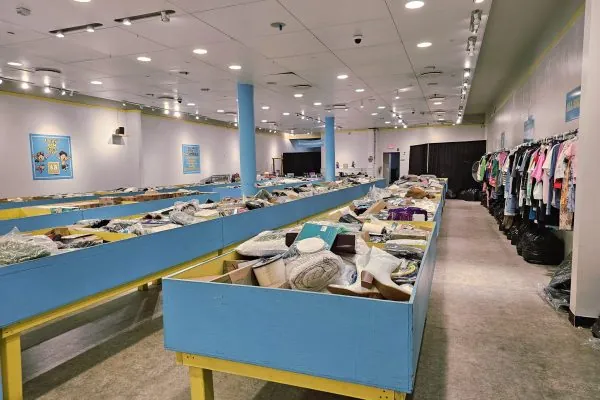
These stores go by a lot of names. Bin shop, pallet liquidation, bin warehouse, return pallet store, bin outlet. Call it whatever you want. At its core, the idea is the same: merchandise that didn't sell, got returned, or came off a pallet from a major retailer ends up in big open bins, and you dig through it at prices that can be genuinely jaw-dropping. A Bluetooth speaker for $3. A name-brand kitchen gadget still in the box for $8. It happens. And that's exactly why this retail format has exploded in popularity over the last few years as more shoppers look for real alternatives to full-price retail.
This article walks you through 9 things you need to know before your first visit, from how the whole supply chain works to what to bring, what to expect, and how to actually get the most out of the experience. No fluff. Just the real stuff.
2. Understand Where All This Stuff Actually Comes From
Here's what most people don't realize: the products in these bins didn't fall off a truck in a bad way. Most of the merchandise at a liquidation store comes from a surprisingly legitimate supply chain. Amazon return stores are probably the most talked-about source right now, and for good reason. Amazon processes millions of returns every year, and a huge chunk of those returned items are in perfectly fine condition. Someone bought a coffee maker, decided they didn't want it, sent it back. Amazon can't resell it as new. So it gets bundled onto pallets with other returns and sold off to liquidators at a fraction of retail value.
Retail overstock is another big source. Major retailers like Walmart, Target, and department stores end up with excess inventory all the time, whether from canceled orders, end-of-season clearance, or just over-buying. That inventory has to go somewhere. Some of it ends up at a bin shop or return pallet store near you. Some goes to discount chains. Some goes to export. The point is, there's a whole secondary market for this stuff, and overstock stores are sitting right at the end of that chain, which is why prices can be so low.
Pallet liquidation is basically the wholesale version of this. Stores or businesses buy full pallets of mixed merchandise from liquidation companies, sort through them (sometimes not much sorting at all), dump the goods into bins, and open the doors. What you're digging through on any given Tuesday might include electronics, hair dryers, pet toys, phone cases, and a random assortment of kitchen tools, all from different retailers, all thrown together. That randomness is kind of the whole point.
3. Know the Pricing System Before You Walk In
Pricing at a bin outlet is not like pricing anywhere else. Most places don't use individual price tags on items. Instead, everything in the store costs the same flat rate on a given day. Say $7 per item on Monday. That's it. Doesn't matter if you're holding a box of crayons or a cordless drill. Same price.
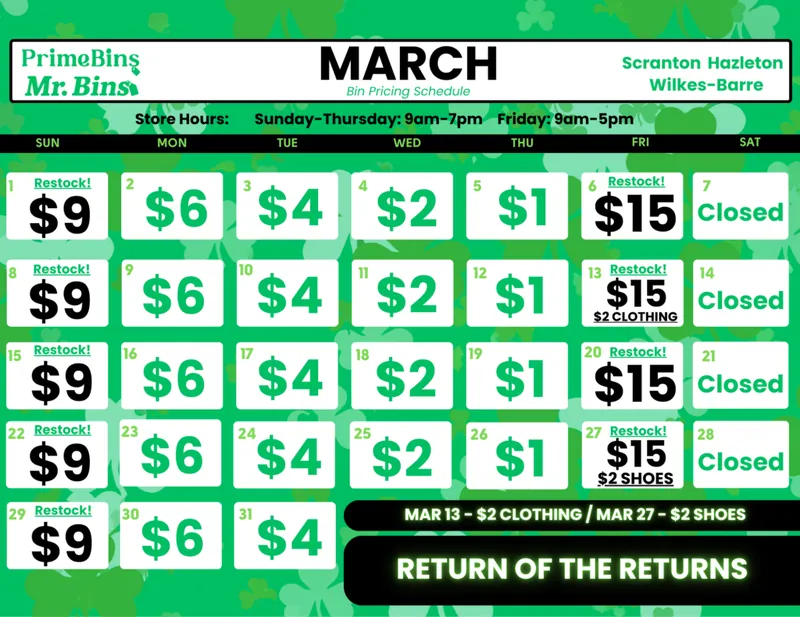
But many bin stores run on a tiered weekly markdown schedule, and this is where things get genuinely interesting. Prices drop every day or every few days throughout the week. Monday might be $7 per item. Wednesday drops to $5. Friday might be $3. By the weekend, some stores go as low as $1 or even bag sales where you stuff a bag for a flat rate. Then Sunday night or Monday morning, a fresh load of merchandise hits the bins and the whole cycle resets.
Before you even walk in, look up the store's weekly markdown schedule online or call ahead. Knowing whether it's a $7 day or a $2 day completely changes your strategy. Early in the week you get first pick of fresh inventory. Late in the week you pay less but dig through what's left.
Early in the week is when the best stuff shows up and competition is fierce. Regulars show up right when the doors open on restock day. And yes, it can feel a little like a competitive sport. People are moving fast, holding things up to check them, scanning barcodes on their phones. Late in the week, the bins are more picked over but the prices are sometimes almost absurdly cheap. Both strategies work. You just need to decide what you're after.
4. Expect a Wide Mix of Products (and Some Surprises)
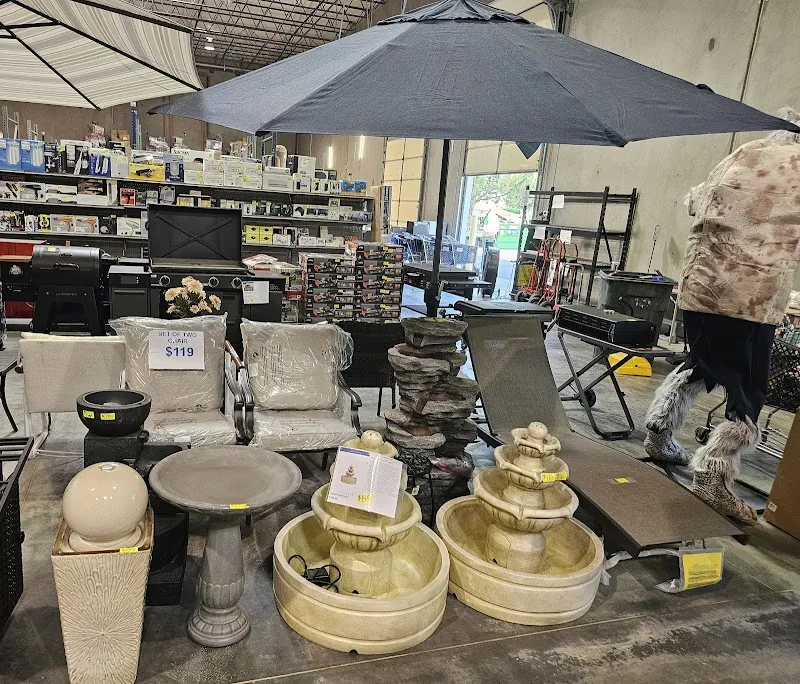
Walking into one of these places for the first time, the sheer variety is a little disorienting. Electronics sit next to baby clothes. Power tools share a bin with scented candles and board games. It's genuinely chaotic in the best way. Product categories you'll commonly find at a bargain bin or liquidation store include electronics, household goods, clothing, toys, tools, personal care items, kitchenware, fitness gear, office supplies, and seasonal stuff. Sometimes books. Sometimes random automotive accessories.
Condition varies. A lot. Some items are completely brand new, still sealed in original packaging. Others are open-box, meaning someone opened them, maybe used them once, and returned them. Some items will have missing parts, no manual, a scuffed corner, or a slightly crushed box. This is not a thrift store where things have been washed and sorted. This is raw, unfiltered retail overflow.
And honestly? That's where the thrill is. You might pull out a $120 air fryer still in the box for $8 on a Thursday markdown day. You might also find a broken blender with no lid. Both experiences are part of the deal. Going in with flexible expectations rather than a specific shopping list is genuinely the right mindset here, not just advice someone made up.
Inventory also changes constantly. No two visits are the same. What was in the bins last Tuesday will be completely different from what's there this Tuesday. Regulars at these stores will tell you that's exactly why they keep coming back. It's part treasure hunt, part bargain shopping, and the unpredictability is a feature, not a bug.
5. Prepare Like You're Heading Into Something Physical
Wear comfortable clothes. Seriously. You'll be standing, bending, reaching, and digging for potentially an hour or more. Flip flops are a bad idea. A big open bin of merchandise with people pulling things out and shoving them back in is not a sandals situation.
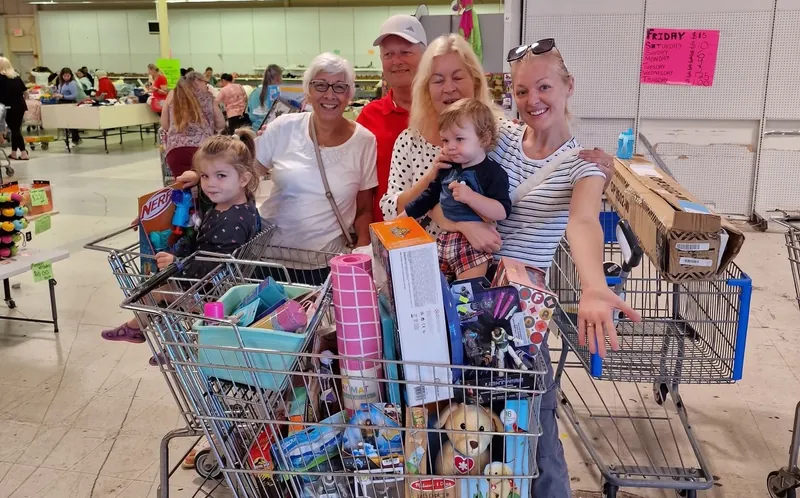
Bring your own bags. Most bin stores do not offer shopping carts or baskets, and the ones that do often have a limited supply. A reusable tote bag or a small collapsible crate works great. Some regulars bring a little pop-up hamper or a laundry basket to haul stuff around the store. It sounds overprepared until you're standing there with eight items and no hands.
Set a budget before you walk in. This sounds obvious but it matters more at a bin shop than almost anywhere else, because the low prices make it easy to impulse-buy. You pick up something for $4 and think, "it's only $4." Then you do that 15 times. Suddenly you've spent $60 on things you didn't need. Decide on a number before you go. Stick to it. Or at least be aware of it.
One more thing: bring your phone and plan to use it. You'll want to be able to quickly look up what an item retails for online so you can tell whether the bin price is actually a good deal. A $6 item that retails for $8 is not that exciting. A $6 item that retails for $60 is a completely different story.
6. Visit Multiple Times to Really Get It
Your first visit is basically orientation. You'll probably spend half of it just figuring out the layout, the pricing system, and how the bins are organized (or not organized). You might not score anything incredible. That's fine. It's normal.
Come back. The people who get the most value out of an overstock store are the regulars who've figured out the rhythm of the place. They know when the new pallets come in. They know which days have the best prices. They know what kinds of products show up frequently and what almost never does. That knowledge takes a few visits to build, but once you have it, shopping at a bin outlet starts to feel like you have a genuine edge.
Visiting on restock day early in the morning is, without question, the best way to find the highest-quality items. You're getting first look at everything on fresh pallets. In practice, the trade-off is you're paying the week's highest price. But for bigger-ticket finds, that's usually worth it. For everyday household goods and stuff you're not picky about, waiting until mid-week when prices drop can save you real money.
7. Know the Return Policy Before You Buy
Most bin stores and liquidation stores operate on an as-is, all-sales-final policy. That is just the reality of this business model. Items come from returns and overstock, and the store has no way to guarantee the condition of everything in the bins. Buying something without fully checking it is a risk you take on yourself.
Before you put something in your bag, actually inspect it. Check for missing parts, test functionality if there's a way to do so in-store, and be honest with yourself about whether you'd be okay with it if it doesn't work perfectly at home. Some stores have a power strip or testing area for electronics. If yours does, use it. Not every store has this, but it's worth asking.
Compare the bin price against the retail value on your phone before committing. If an item is 90% off retail and still functional, great. If it's 20% off retail and might be broken, skip it. Being thoughtful about each item is how you avoid a pile of cheap junk at home that you now can't return.
Look for original parts and accessories. Check for obvious physical damage. Scan the barcode to find retail price. If it's electronics, test it if possible. Ask staff about the return policy before you're at the register with a cart full of stuff.
8. The Directory Data: Real Stores, Real Ratings
Right now, the Bin Store Pal directory lists 2 businesses across 2 cities, and the average customer rating is a perfect 5.0 stars. That's not inflated. That's two stores with real customers leaving real reviews, and both are scoring at the top.
Top cities in the directory right now are Deer River, Minnesota and Oklahoma City, Oklahoma, one listing each. Typically, the fact that you've got a small town in northern Minnesota and a major metro in Oklahoma both represented is a good reminder that this retail format isn't limited to big cities or specific regions. Bin stores are popping up everywhere, from rural towns to urban neighborhoods, and they're succeeding because the value proposition is hard to argue with.
Bargain Bin in Deer River, MN holds a 5.0-star rating, which for a store in a small market is genuinely impressive. Shoppers don't hand out perfect scores easily, especially in a format where expectations can be all over the map. A 5-star rating at a return pallet store usually means the staff is friendly, the pricing is fair, and the bins are restocked consistently.
| Business Name | City | State | Rating |
|---|---|---|---|
| Bargain Bin | Deer River | MN | ⭐ 5.0 (1 review) |
| Listed Business | Oklahoma City | OK | ⭐ 5.0 |
If you're the kind of person who hunts for deals across different store types, it's worth knowing that the same budget-focused mindset applies to salvage grocery shopping too. Salvage grocery stores offer a similar model for food and household products, often selling overstocked or near-date items at steep discounts. It's a whole ecosystem of budget retail out there once you start looking.
9. Bin Stores vs. Thrift Stores: They're Not the Same Thing
A lot of first-timers walk into a bin outlet expecting a thrift store experience. Slightly chaotic, clothes everywhere, furniture in the back, donated items from the community. That's not this.
Thrift stores sell donated secondhand goods. Bin stores and liquidation stores sell new or returned retail merchandise from major brands. That's a big and important difference. Everything in a bin shop came from the commercial retail supply chain, not from someone's garage or closet. You're not buying someone's used belongings. You're buying a Sony headset that got returned to Amazon, or a set of pots and pans that never sold through at a department store.
That means you're more likely to find current, recognizable brands at a bin store than at most thrift shops. It also means the items tend to be more consistent in quality. They're not antiques or one-of-a-kind finds. They're the same products you'd see on shelves at major retailers, just available at a fraction of the price because of how they ended up in the secondary market.
Wait, that's not quite right to say there's no overlap at all. Some liquidation pallets do include items that were donated returns or product that had been sitting in storage a long time, so occasionally you get genuinely older merchandise. But the dominant stock at a real overstock store or Amazon return store is recent, brand-name retail product. That's the core of what makes these places worth visiting.
Are the products at bin stores safe to buy?
Most products that show up at a liquidation store or bin shop come directly from major retailers and online platforms with strict product safety standards. Generally, yes, they're safe. That said, you should always inspect items carefully, especially electronics, children's toys, and anything with a power cord. Check for physical damage, missing safety components, or anything that looks tampered with. Use your best judgment the same way you would when buying anything secondhand or open-box.
How is an overstock store different from a thrift store?
An overstock store, bin outlet, or return pallet store sells new or returned retail merchandise from major commercial sources like Amazon, big-box retailers, and wholesale liquidators. A thrift store sells donated secondhand goods from individuals. Both can have great deals, but the merchandise type, condition, and origin are quite different. Bin stores tend to carry more recent, brand-name products. Thrift stores are better for vintage finds, furniture, and items with more character.
What should I bring to a bin store?
Reusable bags or a small bin to carry items, comfortable shoes, your phone for price-checking, and a budget you've decided on ahead of time. Arriving early on restock day gives you the best selection. Arriving late in the week gives you the best prices. Both are valid strategies depending on what you're looking for.
Do bin stores have return policies?
Most do not, or they have very limited return policies. Most liquidation and bin stores sell items as-is. Inspect items carefully before buying, test electronics if possible, and check for missing parts before you commit. Do not assume you can bring something back if it doesn't work out.
Shopping at a bin store, bargain bin, or any kind of pallet liquidation outlet is a skill you build over time. Your first visit is just the beginning. Go with curiosity, a budget, and comfortable shoes, and you might be surprised by what you find.
More Ways to Save
Find Bin Store Pal Near You
Browse our directory of 2+ businesses across multiple cities, all with verified ratings from real customers.
Search the Directory