8 Safety Tips Every Pallet Liquidation Store Shopper Needs to Know
Most people walk into a bin store thinking the only risk is spending too much money. That's actually backwards. The real risks are physical, hygienic, and product-related, and most shoppers never think about them until something goes wrong.
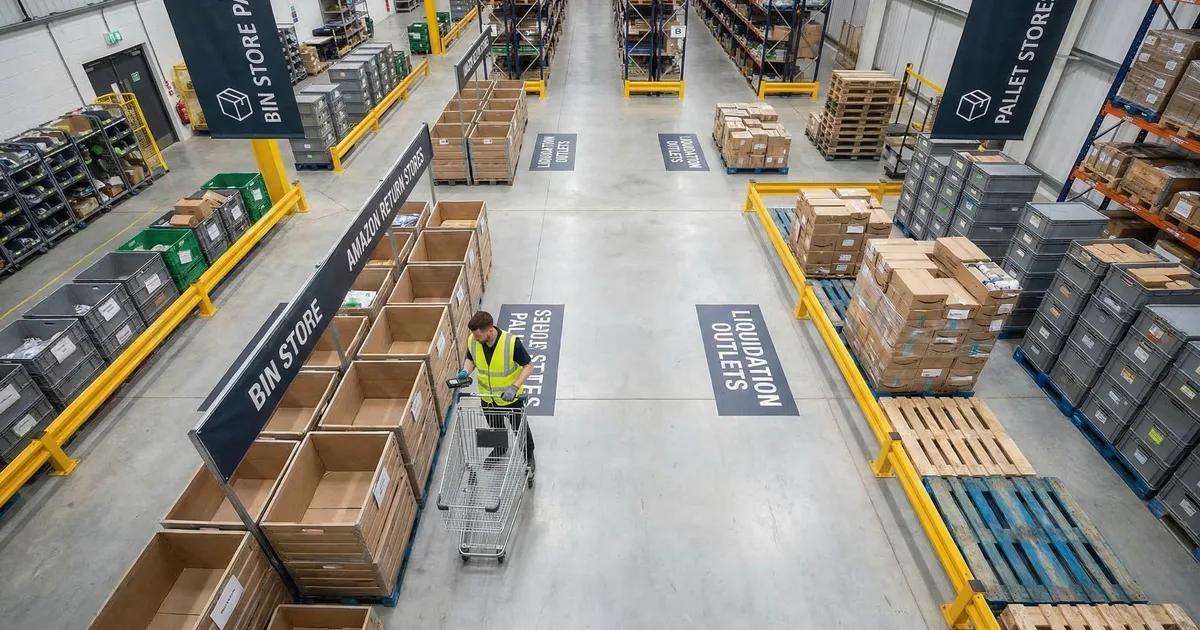
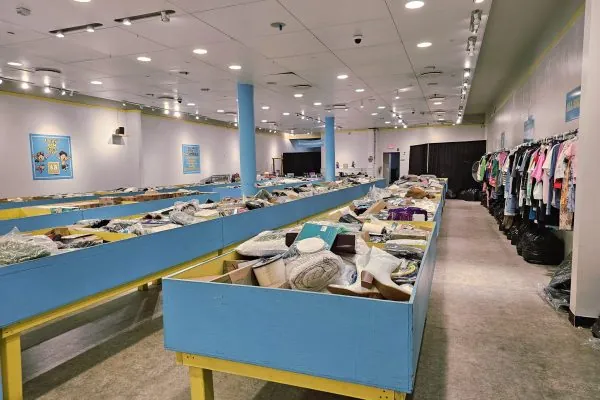
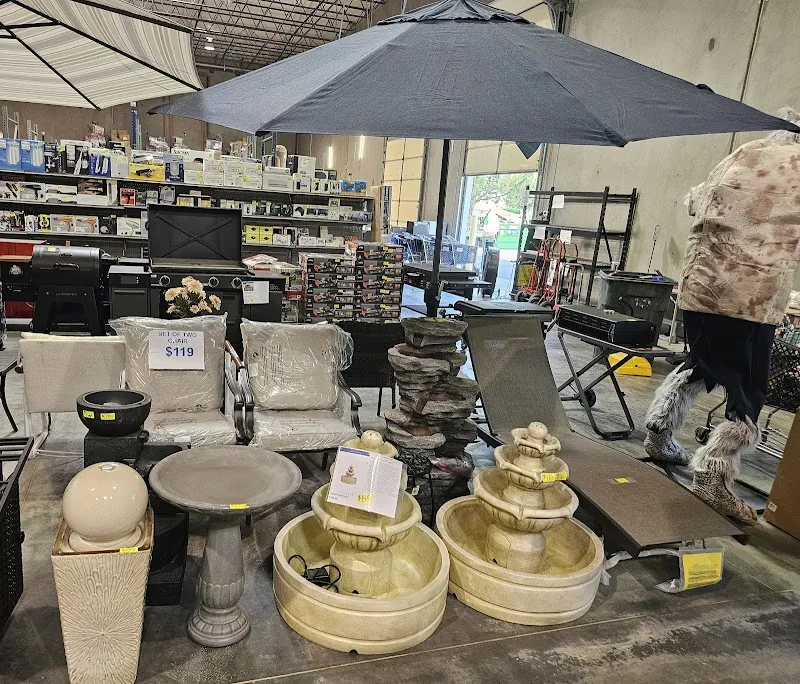
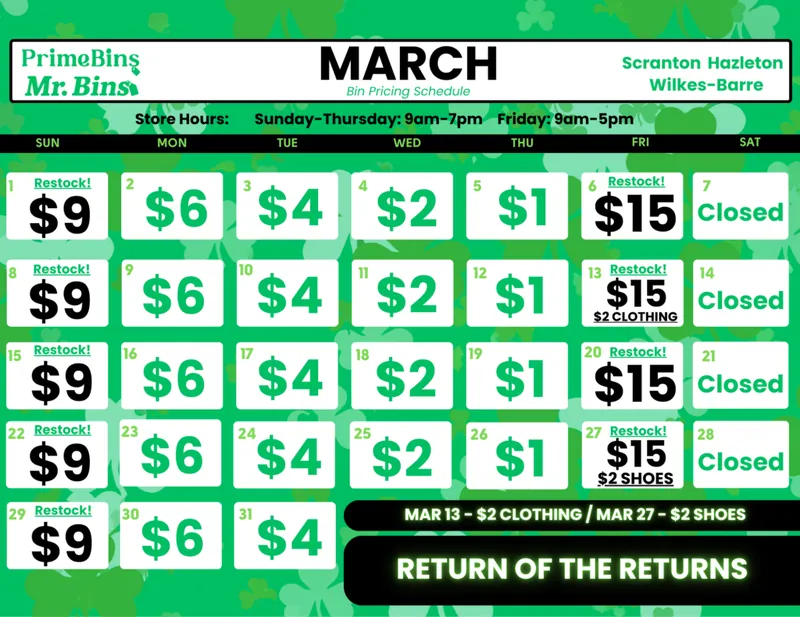
Pallet liquidation stores, also called bin stores, bin shops, bargain bins, or overstock stores, work on a simple and genuinely exciting model: retailers like Amazon, Walmart, and Target sell off returned and excess inventory in bulk pallets. Store owners buy those pallets, dump the contents into open bins, and sell everything at flat rates that sometimes go as low as a dollar or two per item. Prices often drop each day of the week as new stock approaches. You can find a $400 air fryer sitting next to a broken umbrella and a perfectly good set of kitchen knives. That chaos is the whole appeal. But it also creates a shopping environment that is genuinely different from anything else in retail, and different in ways that carry some real, specific risks worth knowing before you walk in.
This article covers eight practical safety areas to pay attention to when you shop at a return pallet store or bin outlet, from the physical layout to product hazards to bringing your kids along. None of this is meant to scare you off. These places are fun, often incredible for deals, and can be totally safe when you know what to watch for.
1. Dress for the Environment, Not for the Errand
Walking into a bin warehouse feels a little like walking into a controlled explosion at a fulfillment center. Cardboard strips on the floor, packing foam near the bins, the occasional item that got kicked under a shelf. Floors in these spaces are often smooth concrete, and they get slippery fast when it's busy.
Wear closed-toe shoes. Full stop. Sandals and flip-flops are genuinely a bad idea here. Heavy or sharp objects fall out of bins more often than you'd think, especially when a dozen people are digging through the same container at once. Sneakers or sturdy flats give you some protection and better grip on concrete. Also, if you're going on a restocking day (usually the beginning of the week for most stores), expect it to be loud, crowded, and physically pushy in a friendly way. People bump into each other constantly. Narrow aisles plus full bins plus excited bargain hunters equals a lot of accidental elbow contact and jostled carts.
Keep your bag or tote close to your body. Oversized bags slung off one shoulder catch on bins and knock things over, which creates tripping hazards for everyone nearby. If the store provides baskets or carts, do not overload them to the point where items are stacking above the rim. That stuff falls. And honestly, a tumbling ceramic dish or a loose power tool hitting the floor is nobody's good afternoon.
Restocking days draw the biggest crowds. If you want a calmer, safer shopping experience with more room to actually examine items, try going mid-week or toward the end of the day when traffic has thinned out and the bins are more spread out.
2. Inspect Every Item Before It Goes in Your Basket
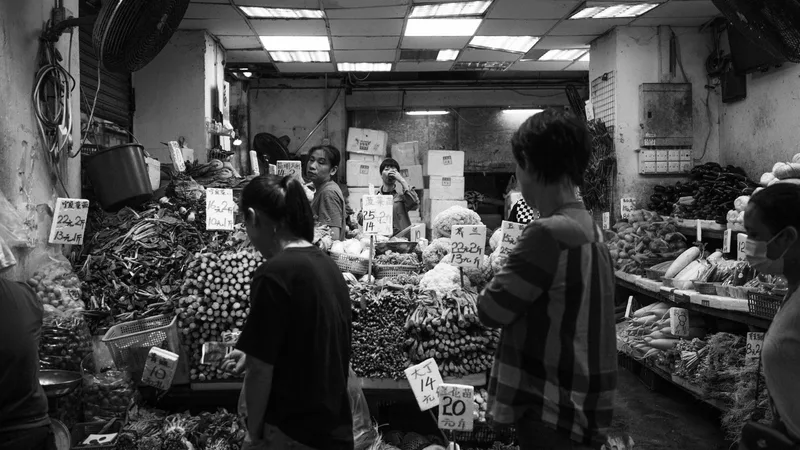
This is probably the most important safety habit you can build at an amazon return store or any liquidation store, and most people skip it entirely because they're excited and moving fast. Slow down. Physically handle each item before it goes in your basket. Run your fingers along edges. Look for cracks, sharp breaks, exposed wiring, missing screws, or signs that something was returned because it stopped working or broke during use.
Electronics deserve extra attention. An opened or repackaged device might look fine on the outside and have a damaged charging port, frayed internal wiring, or a cracked battery casing that isn't obvious until you're at home plugging it in. Small appliances from a return pallet store are especially worth scrutinizing because they often get returned after something actually went wrong with them. Check for scorch marks, melted plastic near vents, or missing grounding prongs on plugs. These are not just inconveniences. They are fire hazards.
Children's toys need their own inspection category. Look for broken plastic edges that have become sharp. Check that battery compartments are fully intact and that the cover screws are present. Small parts that have broken off a toy become choking hazards immediately. And actually, toys that were clearly designed for older kids sometimes end up in the same bin as baby items, so do not assume everything in one area is age-appropriate just because of where it was placed.
The U.S. Consumer Product Safety Commission maintains a free, searchable recall database at CPSC.gov. Car seats, cribs, portable heaters, and small kitchen appliances are recalled more often than most people realize. A quick search by brand and model number before you complete a big purchase takes two minutes and can prevent a genuinely dangerous situation at home.
3. Understand the Recall Risk, Especially for Safety-Critical Items
Returned merchandise does not go through a safety screening process before it lands in a bin. That matters a lot for certain product categories. Car seats are the big one. A car seat that has been in an accident, even a minor one, is considered compromised and should never be used again. But it might look perfectly fine sitting in a bin at a pallet liquidation store. Same with cribs, infant sleep products, and portable baby play yards, all of which have seen significant recall activity over the years.
Small kitchen appliances, space heaters, and power strips also show up on recall lists with some regularity. A quick check of the CPSC database can tell you if a specific model number has been flagged. Write down the brand and model before you pay. Seriously, it takes less time than standing in the checkout line.
Here's a category that surprises people: helmets. Bike helmets and sports helmets that have been used or involved in any impact are no longer reliable. A helmet that looks great might have internal foam that is already compressed from a previous fall. It will not protect the way it should. At a bin outlet, there is simply no way to know the history of a used helmet. Buying one there is a risk that's not worth taking, regardless of the price.
4. Take Hygiene Seriously, Because These Products Have Histories
Here's something that does not get talked about enough in the bin store world: this merchandise has been somewhere before. Multiple somewheres, often. Amazon returns, in particular, go through several hands before they reach a pallet, and some returned items were used for days or weeks before being sent back. You're going to be digging through bins and handling a lot of that stuff with bare hands.
Wash your hands when you leave. Not later. Right after. Keep a small hand sanitizer in your bag for mid-shopping use if you're going to eat or touch your face (which everyone does without realizing). This is low-effort and genuinely useful hygiene, not overcaution.
Cosmetics, skincare, and personal care products found in a bin shop deserve special caution. Products that have been opened, returned, and repackaged can carry bacteria, mold, or contamination that is not visible. Lipstick, foundation, eye shadow, anything that touches your skin directly, should really not be bought from a liquidation store unless it is completely sealed in its original manufacturer packaging with no signs of tampering. Same applies to food items. Some overstock stores carry sealed pantry goods or snacks, and those can be fine, but check expiration dates carefully and look for any signs the seal has been broken. If you want to explore salvage-style grocery options more broadly, it's worth knowing about salvage grocery stores, which specialize in discounted food items and typically have more category-specific standards around edibles than a general bin store would.
Mold is a real thing in these environments too. Soft goods like fabric items, pillows, stuffed animals, and bedding can harbor mold, mildew, or dust mites, especially if they were stored in a warehouse that wasn't climate-controlled. Give fabric items a smell test before buying. If something smells musty or off, trust that instinct.
5. Shopping with Kids Requires a Different Game Plan
Bringing young children to a bin warehouse is doable, but it requires actual planning rather than just hoping for the best. Open bins sit at a height that is perfect for a curious three-year-old to reach into. Those bins contain everything: sharp metal parts, small loose components, broken glass, tools, and hardware. A child can grab something dangerous before you have time to react.
Keep toddlers in the cart the entire time. Not walking beside you, not "just for a minute." In the cart. Older kids who are responsible enough to walk should be given a clear, specific rule before entering: look with your eyes, not your hands, unless you're showing me something. Set that expectation in the parking lot, not after they've already grabbed a broken power strip off the floor.
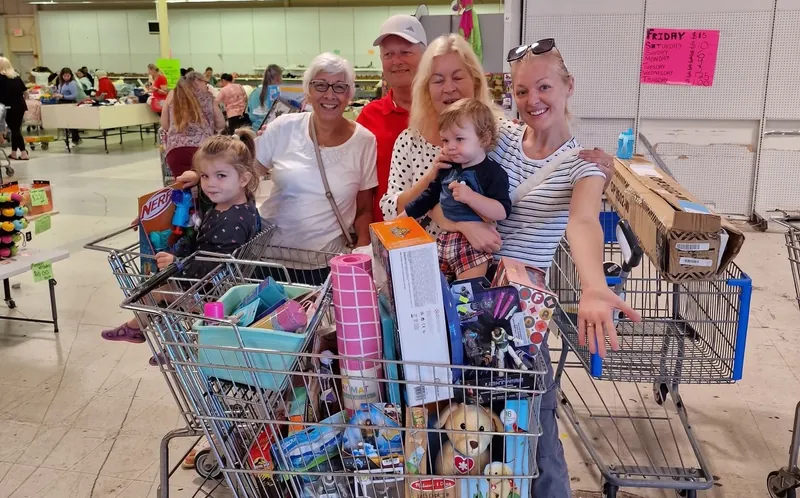
High-traffic restocking days are genuinely not the right time to bring very young children. Carts move fast, aisles get tight, and the crowd energy is frantic. Adults bump into each other constantly on those days. A small child in a crowded aisle is in a difficult spot physically. Mid-week visits with lower foot traffic are much more manageable for families.
If you're shopping with a partner or another adult, splitting responsibilities works really well here. One adult shops and focuses on the bins. The other stays with the kids and keeps them engaged and out of the way. It sounds obvious, but it's easy to slip into both-adults-shopping mode and lose track of where the kids are in a loud, stimulating environment like this.
6. Use Store Reviews to Filter for Quality and Safety
Not all bin stores are created equal. Some are spotless, well-organized, and run by people who take pride in how their store looks and operates. Others are genuinely chaotic in ways that go beyond charming bin-store vibes and into actual safety concern territory: broken shelving, extremely poor lighting, items left on the floor as trip hazards, no clear signage. You can often tell the difference before you walk in just by reading recent customer reviews.
Across the more than 1,260 businesses listed in the Bin Store Pal directory, the average customer rating sits at 4.2 stars. That's actually pretty strong for a retail category this varied. But averages hide a wide range. Some locations are pulling 5.0 stars across hundreds or even thousands of reviews. Take The Other Side Thrift Boutique in Millcreek, Utah, which holds a 5.0-star rating across 5,092 reviews. Or Deals Outlet Bin Store in Tallahassee, Florida, with a perfect rating from 1,565 customers. Bin Fest in Deerfield Beach, Florida hits 5.0 stars from 382 reviewers. These numbers are not accidents. They reflect stores that are consistently clean, safe, and well-managed.
Read recent reviews specifically for comments about cleanliness, organization, and how staff handle issues. Words like "cluttered," "chaotic," "dark," or "no staff around" in multiple reviews are signals worth taking seriously. Words like "organized," "clean floor," and "staff was helpful" suggest a place that takes operations seriously. This takes five minutes and genuinely changes the quality of your visit.
| Store Name | Location | Rating | Reviews |
|---|---|---|---|
| The Other Side Thrift Boutique | Millcreek, UT | 5.0 ★ | 5,092 |
| Deals Outlet Bin Store | Tallahassee, FL | 5.0 ★ | 1,565 |
| Deals Outlet Bin Store | Gainesville, GA | 5.0 ★ | 667 |
| Bin Fest | Deerfield Beach, FL | 5.0 ★ | 382 |
| The UPS Store | Pasadena, MD | 5.0 ★ | 172 |
7. Recognize That Industry Growth Means Uneven Quality Standards
In practice, the bin store industry has grown fast. Really fast. Over 1,260 locations are listed just through the Bin Store Pal directory, with heavy concentrations in cities like Las Vegas (22 listings), New York (17 listings), Phoenix (14 listings), Colorado Springs (13 listings), and Honolulu (12 listings). And that's just what's listed. There are hundreds more operating without any significant online presence.
Fast growth in any retail category means new operators entering the space without deep experience. Some of those new stores are great. Others cut corners on things like lighting, floor safety, bin maintenance, and staff training. A poorly-lit bin warehouse with broken shelving and items stacked six feet high in narrow aisles is not just unpleasant, it's a hazard. You have every right to turn around and leave a store that doesn't feel safe to be in.
And honestly, the parking lots at some of these places deserve a mention too. Many bin outlets operate out of strip mall units or converted warehouses where the lot is shared, tight, and not well-marked. I've seen carts left at the edge of parking spaces, pallets being unloaded from trucks right next to customer parking on busy days. Watch where you're walking from the moment you get out of your car, not just once you're inside.
Using a directory like Bin Store Pal to research stores before visiting gives you a real advantage. You can see ratings, read reviews, and compare options in your city before committing to a trip across town.
Cities with lots of bin store options, like Las Vegas with 22 listings and Phoenix with 14, give shoppers real choices. A few minutes reading reviews before you pick a location can mean the difference between a great find and a frustrating or unsafe experience.
8. Know When to Walk Away from a Deal
Typically, the hardest safety skill to build at a pallet liquidation store or bargain bin is knowing when to put something back. As a rule, the pricing model creates genuine urgency. Prices drop daily. Someone else might grab it. You might never see that item again. All of that is true. And none of it means you should buy something that looks unsafe, smells wrong, has exposed wiring, or is missing critical safety components.
A $3 space heater with a melted cord is not a deal. It's a fire hazard at a discount price. A car seat you can't verify the history of, no matter how clean it looks, should stay in the bin. An opened bottle of something that touched someone's skin for a week before being returned? Not worth it at any price.
Walking away from something at a bin store feels more painful than at a regular retailer because the prices are so low and the stock is so random. But your safety threshold should not change based on the price tag. For most shoppers, the good news is that well-run stores in the Bin Store Pal directory, places earning 4.2 stars on average and with standout locations clearing 5.0 stars across thousands of reviews, are stocked with genuinely useful, safe items worth finding. You'll leave something good behind sometimes. That's fine. There's always next week's pallet.
What is a bin store, exactly?
A bin store (also called a bargain bin, bin outlet, pallet liquidation store, or amazon return store) buys returned and overstock merchandise from major retailers in bulk pallets and sells it to customers at flat, low prices from open bins. Prices often decrease each day of the week as new stock approaches.
Are products at bin stores safe to buy?
Many products are perfectly fine. But because merchandise is returned or overstock, it's important to inspect every item carefully for damage, check for recalls using the CPSC database, and avoid safety-critical categories like car seats or helmets where product history cannot be verified.
What days are bin stores most crowded?
Most bin stores restock at the beginning of the week, which draws the largest crowds. If you want a calmer experience with more room to safely examine items, mid-week visits or late-day shopping on any day tends to be less congested.
Is it safe to buy food or cosmetics at a liquidation store?
Use significant caution with both categories. Only buy food items that are completely sealed in original packaging with clear, unexpired dates. Avoid any cosmetics or personal care products that have been opened or show signs of being previously used. These carry real hygiene risks.
How do I find a well-run bin store near me?
Check the Bin Store Pal directory to browse listings in your city, read customer reviews, and compare ratings. Stores averaging 4.0 stars or higher with recent positive reviews about cleanliness and organization are usually the safest and most enjoyable to shop.
More Ways to Save
Find a Bin Store Near You
Browse our directory of 1,260+ pallet liquidation stores, bin outlets, and bargain bins across the country. Read real reviews and find the best-rated stores in your city.
Search the Directory