10 Pro Tips for Optimizing Your Bargain Bin Shopping Experience
The Treasure Hunt That Actually Pays Off
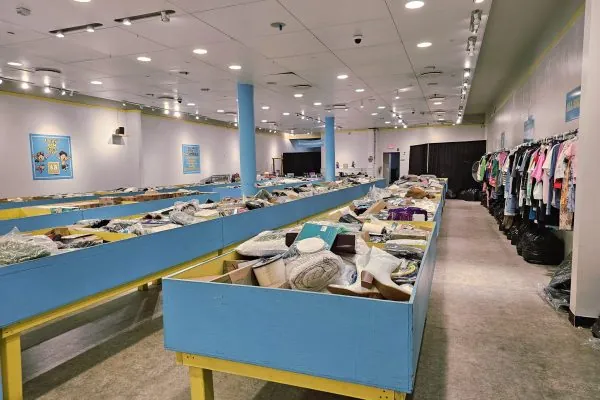
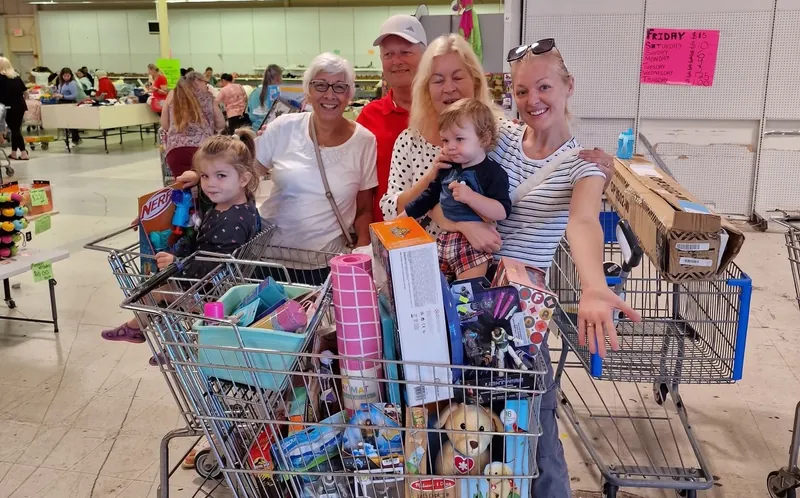
Picture this: you walk into a big, somewhat chaotic warehouse space, bins stretching in every direction, and a stranger next to you pulls out a brand-new Instant Pot still in the box, for four dollars. You didn't even know what you were looking for when you walked in. That's exactly what makes a bin store so addictive, and why more and more people are showing up on restock day with reusable bags and a plan. If you've never been to one of these places, or if you've gone a few times and left feeling like you missed something, this guide is for you.
Bin stores go by a lot of names. You might hear them called a bargain bin, bin shop, liquidation store, overstock store, Amazon return store, return pallet store, bin outlet, or bin warehouse. Some people just say "pallet liquidation" and other shoppers know exactly what they mean. Whatever you call them, the idea is the same: merchandise that didn't make it back to regular retail shelves gets sorted, priced low, and dumped into open bins for shoppers to dig through. And the prices are, genuinely, wild in the best way.
Below are 10 real, specific tips for getting the most out of every trip, whether you're hunting for household deals or building a resale business one bin at a time.
First, Understand What You're Actually Walking Into

Most bin stores source their inventory from Amazon returns, overstock pallets, and wholesale liquidation lots. When a customer returns a product to Amazon, whether it's broken, the wrong color, or just changed their mind, that item usually can't go back on the shelf as new. So Amazon bundles those returns into pallets and sells them in bulk to liquidation companies. Those companies either sell pallets directly to resellers, or they open a retail-facing bin store and let the public dig through the merchandise themselves.
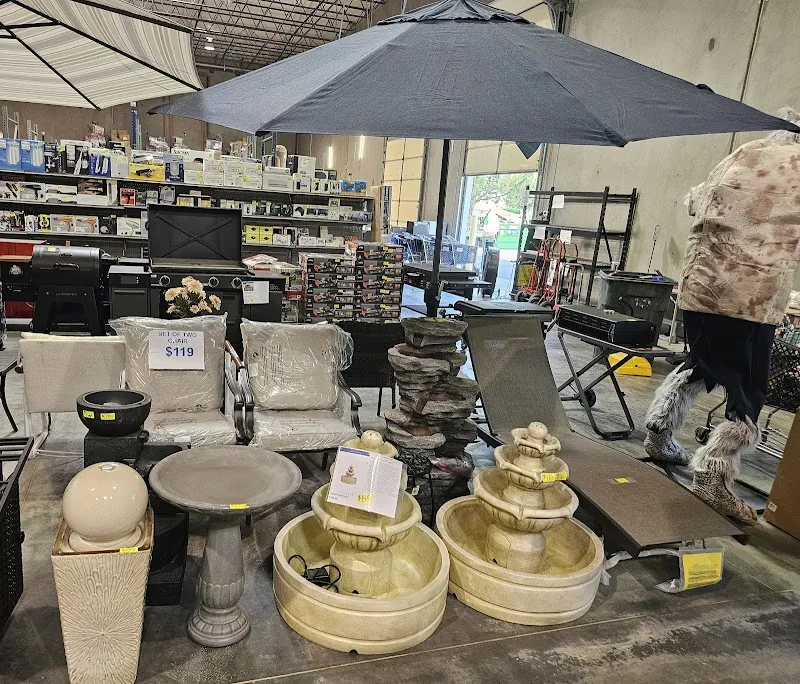
Because the stores are buying this inventory at pennies on the dollar, they can price things extremely low and still make money. A $60 kitchen gadget might be priced at $3. A name-brand jacket at $8. Electronics, toys, cleaning supplies, pet products, random tools, all of it mixed together in big plastic bins arranged around the store floor.
Here's the part that trips up first-time shoppers: the inventory is unpredictable by design. You cannot walk in expecting to find a specific item. What you can count on is variety. On any given day you might find Lego sets, protein powder, Bluetooth speakers, random pieces of furniture, baby gear, and a truly confusing quantity of USB cables. Honestly, the USB cable thing happens at basically every bin store I've ever been to.
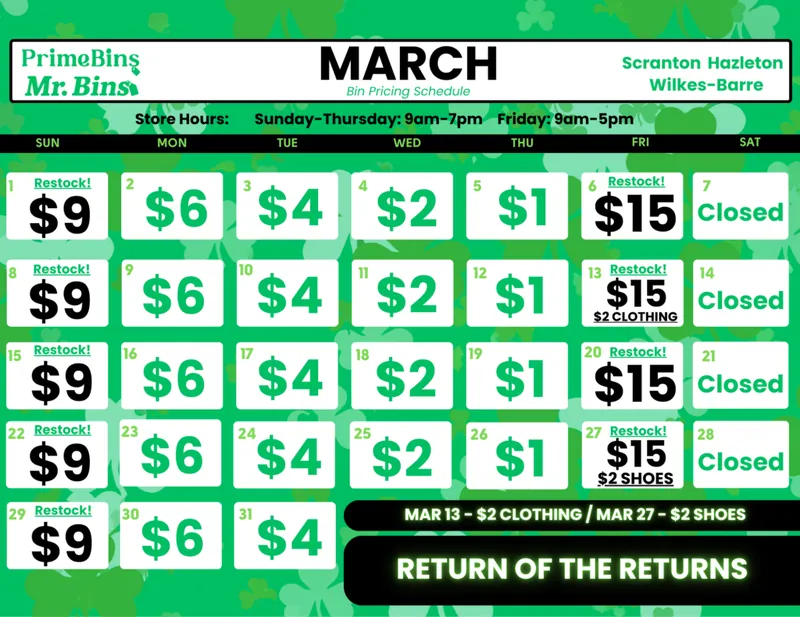
Most stores operate on a markdown schedule. New pallets hit the bins at full store price (which is still very low compared to retail), then prices drop day by day until the bins are cleared and a fresh restock begins. Some stores run this cycle weekly, some do it every few days. Knowing that schedule changes how you should shop, which is why it's one of the most important things to understand before you go.
Bin store, bin shop, bin outlet, bin warehouse, bargain bin, liquidation store, overstock store, Amazon return store, return pallet store, pallet liquidation, these all generally refer to the same type of retail model. Some stores specialize more in Amazon returns specifically, while others pull from broader liquidation lots. Worth asking the staff when you visit.
The Industry Is Bigger Than Most People Realize
Bin Store Pal currently lists 1,260 businesses across the United States. That number alone tells you something. This isn't a niche underground thing anymore, it's a real, growing retail category with stores in cities of every size.
Las Vegas leads with 22 listings, followed by New York with 17, Phoenix at 14, Colorado Springs at 13, and Honolulu with 12. The fact that Honolulu is in the top five is something I did not expect, shipping costs to Hawaii are notoriously high, so the economics must work differently there. But it signals that demand for discounted merchandise is strong pretty much everywhere. And Colorado Springs at 13 listings is notable too, given that it's not one of the country's largest cities by population.
Average customer rating sits at 4.2 stars across all 1,260 listings. That's genuinely good. For context, that's the kind of rating that suggests shoppers are not just tolerating these stores but actually enjoying the experience. A market that's maturing tends to push stores to compete on quality, organization, and customer service, not just price. These numbers reflect that.
Some of the top-rated stores have racked up impressive review counts too. Check out the table below.
| Store Name | Location | Rating | Reviews |
|---|---|---|---|
| The Other Side Thrift Boutique | Millcreek, UT | 5.0 ⭐ | 5,092 |
| Deals Outlet Bin Store | Tallahassee, FL | 5.0 ⭐ | 1,565 |
| Deals Outlet Bin Store | Gainesville, GA | 5.0 ⭐ | 667 |
| Bin Fest | Deerfield Beach, FL | 5.0 ⭐ | 382 |
| The UPS Store | Pasadena, MD | 5.0 ⭐ | 172 |
The Other Side Thrift Boutique in Millcreek, Utah holds a 5.0 star average across over 5,000 reviews. That is not a fluke. Five thousand people left reviews and the average is still perfect. Worth a trip if you're anywhere near Salt Lake City.
Tips 1–3: Do Your Homework Before You Leave the House
Tip 1: Use a directory to find stores and read reviews before you go. This sounds obvious but most people skip it. Bin Store Pal lists 1,260 locations with ratings and reviews, so you can see what the store is like before spending gas money to get there. Check the hours carefully too. Many bin stores have unusual schedules, especially around restock days. A store that's usually open Tuesday through Sunday might close Monday to process new pallets. Showing up on the wrong day means you miss fresh inventory entirely.
Tip 2: Follow local stores on social media. A lot of bin shops post photos of new pallet arrivals on Instagram or Facebook, sometimes the night before a restock. Scroll through their recent posts and you'll get a rough idea of what categories are coming. One store I saw posted a photo of an entire pallet of kitchen appliances and noted the restock time. People were lined up before the doors opened. That's the kind of intel that makes a real difference.
And yes, some stores even run flash sales or post "mystery item" previews to build hype. It works. The parking lots of bin stores on restock day look like a Saturday at Costco.
Tip 3: Arrive early on restock days. This is the single most impactful change you can make to your bin store routine. Early access to fresh bins means better selection, more complete product sets, and a higher chance of finding items worth serious money at a fraction of their value. If the store restocks at 10am, aim for 9:45. Bring a coffee. Be patient. It is worth it.
Tips 4–6: How to Actually Shop Once You're Inside
Tip 4: Bring a few basic tools. A small flashlight helps in bins that are deep or poorly lit, some of these warehouses have dramatic overhead lighting that still leaves shadows in the bins. Your phone is essential for checking resale prices on eBay or Amazon before you decide whether something is worth grabbing. Reusable bags beat store baskets in a lot of cases because you can carry them differently. And gloves, this one sounds fussy but isn't. Digging through bins for an hour with bare hands leaves them grimy, especially in older stores where the merchandise has been sitting a while.
Tip 5: Be methodical, not frantic. First-timers tend to grab things fast out of excitement or competition anxiety, then end up at checkout with a pile of stuff they didn't really examine. Work through each bin section by section. Pick up items, turn them over, check for damage, look for missing components. A blender missing the lid isn't worth much even at $2. A camera missing its battery door might still be fine. Take thirty seconds per item and you'll make much better decisions.
Before adding anything to your bag, run through this quick check: Is it physically complete? Does it show signs of water damage (look at stickers and cardboard, they warp and stain)? Is there a brand name you can quickly search? Thirty seconds of inspection can save you from a regret purchase.
Tip 6: Learn the store's pricing schedule and use it. Many bin stores run a tiered markdown system across the week. Day one might be $8 per item, day two drops to $5, then $3, then $1, then everything remaining is free or bagged for bulk sale. If you see something on day one and aren't sure, you can sometimes wait for a price drop, but you risk losing the item. High-demand stuff goes fast early. Items that are still sitting by day three are usually either damaged, incomplete, or just not in demand. Knowing this rhythm helps you decide when to pull the trigger and when to wait.
Tips 7–9: Protecting Your Wallet and Building Smarter Habits
Tip 7: Set a hard budget before you walk in. Low per-item prices are psychologically tricky. Grabbing ten things at $3 each feels like nothing, but that's $30 gone before you've even crossed half the store. Use a physical basket or cart to track accumulation, and set a number before you go, $25, $40, whatever works for your situation. Stick to it. People who go without a budget almost always spend more than they planned.
This is one of the most common ways that bin store shopping quietly becomes expensive. Not because any one item costs much, but because the volume adds up and you're not keeping a running total in your head.
Tip 8: Know your resale market if you're flipping. A lot of regular shoppers at liquidation stores are resellers, and for good reason. If you find a $5 item that sells for $45 on eBay, that's real money. But you need to do the research in the store, not at home. Search the item on eBay and filter for "sold listings" to see what it actually sells for, not just what people are asking. Factor in platform fees (eBay takes around 13%), shipping costs, and the time it takes to list and pack. An item that sells for $20 but costs $12 to ship in a big box might not actually make you money. Do the math before it goes in your bag.
If you're interested in similar discount-focused shopping that extends beyond merchandise into groceries, it's worth knowing that salvage grocery stores follow a similar model, buying overstock and short-dated food items at deep discounts and passing savings on to shoppers. Different product category, same underlying logic.
Tip 9: Don't ignore the back corners and bottom layers. Experienced bin store shoppers know that the best finds are often buried. Other shoppers tend to skim the top of bins and move on. Taking the time to lift and shift things around, especially in bins that look "picked over," sometimes turns up items that were missed by everyone else. In practice, the back corners of the store get less foot traffic too. Some stores organize by category and some don't, so a random electronics item might be buried in a bin that looks like it's all clothing.
Tip 10: Become a Regular and Build Store Relationships
This last one gets overlooked. Staff at a good bin store often know which pallets just came in, what categories are heavy in the current restock, and sometimes when a particularly good lot is coming. Being a friendly, regular face at your local bin outlet can mean getting a heads-up that most shoppers never receive.
You don't have to be weird about it. Just be a decent human being, ask genuine questions, and show up consistently. Staff at these places deal with a lot of chaotic shopping energy on restock days. If you're calm and pleasant, you stand out. And that can translate into real information that improves your shopping results.
Also, some stores offer loyalty perks, email lists, or early-access passes for regulars. Ask. Many people don't know these things exist because the stores don't advertise them heavily. Typically, the discount retail world is full of quiet advantages that you only find by being present and paying attention.
Beyond the shopping strategy side of things, becoming a regular also just makes the experience more enjoyable. You get to know the rhythm of the place, you learn which bin configurations mean what, and the whole thing starts feeling less like a gamble and more like a skill.
A Few Things Worth Keeping in Mind
Return policies at bin stores are often limited or nonexistent. Because the merchandise comes from liquidation lots and Amazon returns, the store itself can't always verify what's inside a box before it hits the bins. Most places operate on an "all sales final" basis. That's exactly why the condition-checking habit from Tip 5 matters so much. You are your own quality control at these stores.
Also: some items you find at a return pallet store genuinely cannot be tested on-site. A power tool, for example. In those cases, decide whether the price is low enough to justify the risk of it not working. A $4 risk is different from a $20 risk, even in a bin store context.
One more thing about parking, since nobody ever talks about it: restock days at busy bin stores can fill the lot fast. Some of these places are in strip malls or industrial areas where the lot is shared and small. If you arrive at peak time and can't find parking, don't block the lane or park illegally. Just wait or circle. As a rule, the bins aren't going anywhere in the next five minutes.
Frequently Asked Questions
What is a bin store and how is it different from a thrift store?
A bin store (also called a bin shop, liquidation store, overstock store, or Amazon return store) sources its inventory from return pallets and liquidation lots rather than donations. Thrift stores rely on donated goods. Bin stores tend to have more new or nearly-new merchandise mixed in, but with much greater unpredictability in what you'll find.
How often do bin stores restock?
It varies. Many bin stores restock weekly, clearing out the old bins and bringing in fresh pallets on a set day. Others do partial restocks more frequently. Check the store's social media or call ahead to find out their specific schedule. Arriving on restock day gives you the widest selection.
Can I make money reselling items from bin stores?
Yes, and many people do. For most shoppers, the key is knowing your resale platforms (eBay, Facebook Marketplace, OfferUp are common), searching sold listings not just active listings, and accounting for fees and shipping before deciding an item is worth buying. Electronics, toys, and brand-name household goods tend to have the strongest resale margins.
Are bin stores the same as pallet liquidation stores?
Largely yes, though terminology varies. Pallet liquidation can refer to buying whole pallets for resale, while a bin store is the retail-facing version where individual items from those pallets